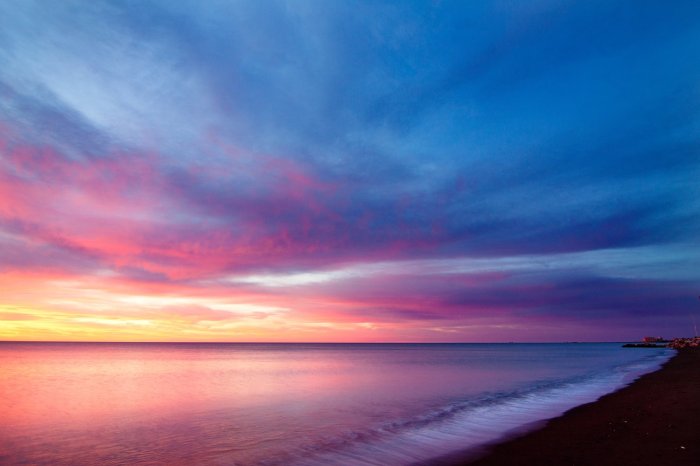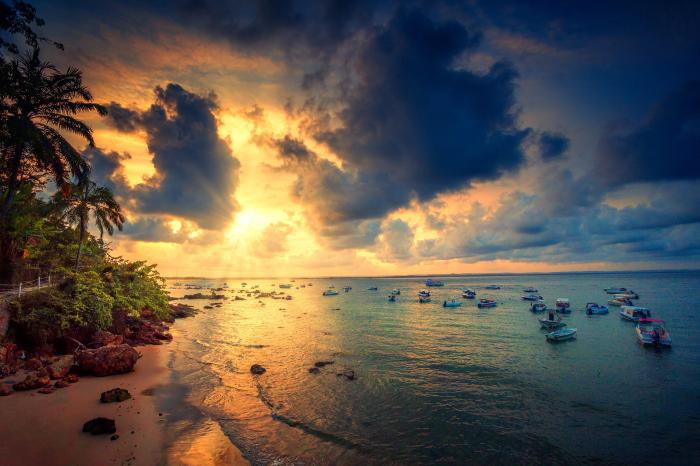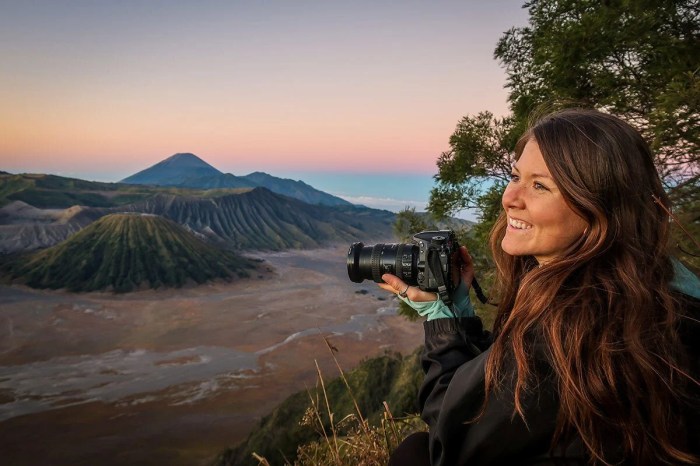
Travel photography blog tips and inspiration: Capturing the World Through Your Lens

Travel photography blog tips and inspiration

Travel Tips: Travel Photography Blog Tips And Inspiration

Travel photography blog tips and inspiration – Travel photography is a beautiful way to capture memories and share your adventures with others. Whether you’re just starting out or looking to improve your skills, here are some practical tips to help you along the way.

Essential Gear for Stunning Travel Photos

When it comes to travel photography, having the right gear can make all the difference. Here are some essential items to consider packing for your next trip:

  • Camera: Invest in a good quality camera that fits your budget and skill level. Consider a DSLR for more control over settings or a mirrorless camera for portability.
  • Lenses: Pack versatile lenses like a wide-angle for landscapes, a zoom lens for capturing details, and a prime lens for portraits.
  • Tripod: A sturdy tripod can help stabilize your shots, especially in low light or when shooting long exposures.
  • Memory Cards: Bring plenty of memory cards to store all your photos and avoid running out of space.
  • Batteries: Don’t forget to pack extra batteries and a charger to keep your camera powered throughout the day.
  • Camera Bag: Invest in a durable and comfortable camera bag to protect your gear while on the go.

Planning a Successful Travel Photography Trip

Planning is key to a successful travel photography trip. Here are some tips to help you make the most of your adventure:

  • Research Your Destination: Learn about the culture, landmarks, and best photography spots before you go.
  • Create a Shot List: Make a list of must-see locations and shots you want to capture to stay organized.
  • Check the Weather: Keep an eye on the weather forecast to plan your shoots accordingly and pack the right gear.
  • Time Your Shots: Take advantage of the golden hours of sunrise and sunset for the best lighting conditions.
  • Interact with Locals: Connect with locals to gain insights and capture authentic moments in your photos.
  • Backup Your Photos: Regularly backup your photos to prevent loss and free up space on your memory cards.

Travel Itinerary

Planning a travel itinerary for a photography-focused trip is crucial to ensure you make the most of your time and capture stunning images. Here, we will discuss how to design a sample 7-day itinerary, compare solo travel versus group tours, and incorporate photography stops into your schedule.

Sample 7-Day Travel Itinerary

When creating a 7-day travel itinerary for a photography-focused trip, consider including a mix of iconic landmarks, hidden gems, and local experiences. Here is a sample itinerary:

  • Day 1: Arrival in destination, explore city center for architecture shots
  • Day 2: Sunrise shoot at famous viewpoint, visit local market for street photography
  • Day 3: Day trip to nearby natural attraction for landscape photography
  • Day 4: Photo walk in historic district, capture local culture
  • Day 5: Attend photography workshop or guided photo tour
  • Day 6: Visit off-the-beaten-path location for unique shots
  • Day 7: Free day for revisiting favorite spots or capturing missed shots

Solo Travel vs. Group Tours

Solo travelers have the flexibility to create a personalized itinerary based on their photography interests and pace. They can explore off-the-beaten-path locations and spend more time at each photography stop. On the other hand, group tours provide convenience and access to exclusive photography locations.

Group tours also offer the opportunity to learn from professional photographers and network with like-minded individuals.

Incorporating Photography Stops

To incorporate photography stops into your travel itinerary, research photography hotspots in advance and allocate sufficient time for each location. Consider the lighting conditions and best times of day for photography. Plan for golden hour and blue hour shoots to capture stunning images.

Additionally, be open to spontaneous photo opportunities along the way and embrace the unexpected moments that make travel photography truly special.

Beach Resorts

Travel photography blog tips and inspiration

When it comes to beach resorts, photography enthusiasts are always on the lookout for picturesque locations that offer stunning backdrops for their shots. From crystal clear waters to golden sunsets, beach resorts provide the perfect setting for capturing breathtaking images.

Best Beach Resorts for Photography Enthusiasts

  • Maldives: Known for its luxurious overwater bungalows and pristine beaches, the Maldives offers endless photo opportunities. Capture the vibrant marine life, colorful sunsets, and clear turquoise waters.
  • Santorini, Greece: The iconic white buildings with blue domes against the backdrop of the Aegean Sea make Santorini a photographer’s paradise. Don’t miss the chance to capture the stunning sunsets from Oia.
  • Bora Bora, French Polynesia: With its crystal clear lagoons and overwater bungalows, Bora Bora is a dream destination for photographers. The vibrant coral reefs and lush greenery provide endless possibilities for stunning shots.

Tips for Capturing Sunrise and Sunset Shots at Beach Resorts

  • Arrive early: To capture the magical colors of sunrise, make sure to arrive at the beach well before the sun comes up. Similarly, for sunset shots, plan ahead and find the perfect spot to witness the sun going down.

  • Use a tripod: Stability is key when shooting in low light conditions. A tripod will help you capture sharp and clear images without any blurriness.
  • Experiment with angles: Don’t be afraid to try different angles and perspectives to create unique and interesting shots. Play around with composition and framing to add depth to your photos.

Researching Photo-Friendly Beach Resorts

When planning your next beach getaway, it’s essential to research photo-friendly beach resorts that cater to photography enthusiasts. Look for resorts with stunning natural surroundings, beautiful architecture, and easy access to picturesque spots. Consider checking reviews and recommendations from fellow photographers to ensure you choose a resort that meets your photography needs.

Cultural Tours

When embarking on cultural tours, it’s essential to approach photography with respect and sensitivity towards the local cultures you encounter. Capturing authentic experiences through your lens can not only preserve memories but also serve as a powerful storytelling tool. Let’s delve into some tips for photographing cultural tours and the significance of documenting these experiences.

Respectful Photography Tips

  • Avoid intrusive shots: Always ask for permission before taking someone’s photo, especially in intimate cultural settings.
  • Observe and learn: Take the time to understand local customs and traditions before photographing them to ensure accuracy and respect.
  • Capture candid moments: Focus on spontaneous interactions and genuine emotions to convey the true essence of the cultural experience.
  • Use natural light: Opt for natural lighting whenever possible to enhance the authenticity of your photos and avoid disrupting the scene with flash.
  • Show appreciation: Express gratitude to your subjects after taking their photos to acknowledge their contribution to your storytelling.

Significance of Storytelling

Photography plays a crucial role in storytelling during cultural tours. Each photo has the power to transport viewers to different worlds, offering a glimpse into the lives of people from diverse backgrounds. By capturing the nuances of local cultures, you can create a visual narrative that sparks curiosity, empathy, and understanding among your audience.

Through your lens, you have the opportunity to bridge cultural gaps and celebrate the beauty of diversity.

Cruise Vacations

When it comes to cruise vacations, there are plenty of unique photography opportunities waiting to be captured. From stunning seascapes to picturesque ports of call, there is no shortage of beauty to photograph while on a cruise. Here are some tips to help you make the most of your photography during a cruise vacation.

Photographing Landscapes from a Cruise Ship

When photographing landscapes from a cruise ship, it’s important to consider the movement of the ship. To capture sharp images, use a fast shutter speed to compensate for any motion blur caused by the ship’s movement. Additionally, try to shoot during the golden hours of sunrise or sunset to capture the dramatic lighting that can enhance your photos.

Don’t forget to also experiment with different angles and perspectives to add interest to your shots.

Capturing the Essence of a Cruise Vacation

To truly capture the essence of a cruise vacation through photography, focus on not just the destinations, but also the onboard experience. Take photos of the luxurious amenities, the entertainment options, and the delicious dining experiences. Include shots of the sunsets at sea, the wildlife that may be spotted from the ship, and the camaraderie of fellow passengers.

These photos will not only serve as memories of your trip but will also convey the unique atmosphere of a cruise vacation.

Backpacking Trips

When embarking on backpacking trips, it is essential to consider the photography gear you will be bringing along to capture the stunning moments and landscapes you encounter. Managing photography equipment efficiently while on the go can be a challenge, but the rewards of capturing unique and authentic travel moments make it all worthwhile.

Essential Photography Gear for Backpacking Trips

  • A lightweight and durable camera: Opt for a compact DSLR or mirrorless camera that can deliver high-quality images without adding too much weight to your backpack.
  • Versatile lenses: Pack a versatile zoom lens for flexibility in capturing different perspectives, along with a prime lens for crisp and detailed shots.
  • Tripod: Consider a lightweight and compact tripod for stable shots in low light conditions or long exposure photography.
  • Extra batteries and memory cards: Ensure you have enough power and storage capacity to last throughout your journey.
  • Camera bag or insert: Invest in a comfortable and secure camera bag or insert to protect your gear from the elements while on the move.

Tips for Managing Photography Equipment While Backpacking

  • Keep it light: Prioritize essential gear and avoid carrying unnecessary equipment to reduce the weight of your backpack.
  • Organize efficiently: Use padded dividers or inserts in your camera bag to keep your gear safe and easily accessible.
  • Secure your gear: Invest in secure locks or straps to prevent theft and ensure your equipment stays safe during your travels.
  • Plan ahead: Research the locations you will be visiting to determine the necessary gear and pack accordingly to avoid overpacking.
  • Regular maintenance: Clean and maintain your gear regularly to ensure optimal performance throughout your trip.

Challenges and Rewards of Photography on Backpacking Trips

  • Challenges: Weather conditions, limited access to charging stations, and the risk of damage or theft are common challenges faced when capturing photos on backpacking trips.
  • Rewards: The opportunity to capture unique and authentic travel moments, stunning landscapes, and the sense of accomplishment from overcoming challenges make photography on backpacking trips truly rewarding.

City Breaks

When it comes to city breaks, photography enthusiasts have a plethora of options to choose from. Whether you’re into capturing iconic landmarks or diving into the local street life, cities around the world offer a diverse range of opportunities for travel photography.

Best Cities for Photography-Focused City Breaks

  • Paris, France: Known for its romantic ambiance and stunning architecture, Paris is a dream destination for photographers.
  • Tokyo, Japan: With a mix of traditional and modern elements, Tokyo offers a unique blend of culture and innovation.
  • Rome, Italy: Home to ancient ruins, picturesque piazzas, and charming cobblestone streets, Rome is a photographer’s paradise.
  • New York City, USA: The bustling streets, iconic skyscrapers, and vibrant neighborhoods of NYC provide endless photo opportunities.
  • Istanbul, Turkey: A melting pot of cultures, Istanbul boasts a rich history and stunning landmarks like the Hagia Sophia and Blue Mosque.

Tips for Capturing Iconic Landmarks During City Breaks, Travel photography blog tips and inspiration

  • Research the best angles and lighting conditions for each landmark before you visit.
  • Visit popular landmarks early in the morning or late in the evening to avoid crowds and capture stunning sunrise or sunset shots.
  • Experiment with different perspectives, such as shooting from low angles or using reflections to add a unique touch to your photos.
  • Consider using a tripod to ensure sharp images, especially in low light conditions.
  • Don’t forget to capture the details and textures of the landmark to add depth and interest to your photos.

Role of Street Photography in City Break Travel Photography

  • Street photography offers a glimpse into the daily life and culture of a city, capturing candid moments and interactions that reflect the essence of a place.
  • Be observant and patient when capturing street scenes, waiting for the right moment to press the shutter button.
  • Engage with locals to gain insights into their lives and capture authentic moments that tell a story.
  • Experiment with different compositions and techniques to add creativity and visual interest to your street photography.
  • Remember to respect people’s privacy and ask for permission if you plan to take close-up portraits of individuals.

Travel Blogs

Travel blogs are an essential part of the travel photography community, providing a platform for photographers to showcase their work, share their experiences, and inspire others to explore the world. In this section, we will explore the key elements of a successful travel photography blog, discuss strategies for growing a travel photography blog audience, and provide tips for monetizing a travel photography blog.

Key Elements of a Successful Travel Photography Blog

  • High-Quality Visual Content: Stunning photography is the heart of a travel photography blog. Make sure your images are captivating and showcase the beauty of the destinations you visit.
  • Compelling Stories: Alongside your photos, share engaging stories and personal experiences from your travels to create a connection with your audience.
  • Consistent Posting Schedule: Regularly updating your blog with fresh content will keep your audience engaged and coming back for more.
  • Optimization: Implementing strategies will help your blog rank higher in search engine results, attracting more organic traffic.

Growing a Travel Photography Blog Audience

  • Social Media Promotion: Utilize platforms like Instagram, Facebook, and Pinterest to share your blog posts and attract a larger audience.
  • Collaborations: Partnering with other travel bloggers, influencers, or brands can help expand your reach and introduce your blog to new followers.
  • Email Marketing: Build an email list of subscribers who are interested in your content and send out newsletters with blog updates and exclusive offers.

Monetizing a Travel Photography Blog

  • Affiliate Marketing: Partner with travel companies, brands, or products and earn a commission for promoting their services on your blog.
  • Sponsored Content: Collaborate with brands for sponsored blog posts, reviews, or social media shoutouts in exchange for payment or free products/services.
  • Product Sales: Sell your photography prints, travel guides, or merchandise directly on your blog to generate revenue.

Travel Essentials

When it comes to travel photography, having the right gear is essential to capturing stunning images on your adventures. Here are some must-have items every travel photographer should pack and tips for protecting your photography gear during travels.

Essential Items for Travel Photographers

  • Camera: A high-quality camera is the most important tool for a travel photographer. Consider a DSLR or mirrorless camera for professional-level photos.
  • Lenses: Pack a versatile lens like a 24-70mm for a wide range of shots, along with a telephoto lens for capturing distant subjects.
  • Tripod: A sturdy tripod is essential for long exposures, low light situations, and self-portraits.
  • Memory Cards: Bring plenty of memory cards to store all your photos and videos without running out of space.
  • Batteries: Don’t forget extra camera batteries and a charger to keep shooting throughout your trip.
  • Camera Bag: Invest in a durable and weatherproof camera bag to protect your gear while on the move.
  • Cleaning Kit: Keep your lenses and camera sensor clean with a lens cloth, blower, and cleaning solution.

Comparing Camera Equipment Options

When choosing camera equipment for travel photography, consider factors like weight, versatility, image quality, and budget.

  • DSLR vs. Mirrorless: DSLR cameras offer superior battery life and lens selection, while mirrorless cameras are more compact and lightweight.
  • Prime vs. Zoom Lenses: Prime lenses provide better image quality and low light performance, while zoom lenses offer versatility in framing shots.
  • Full Frame vs. Crop Sensor: Full frame cameras capture more light and detail, while crop sensor cameras have a smaller size and weight.

Tips for Protecting Photography Gear

  • Use a Camera Rain Cover: Keep your camera safe from water damage with a rain cover or plastic bag in case of unexpected showers.
  • Avoid Extreme Temperatures: Protect your gear from extreme heat or cold by storing it in a padded camera bag when not in use.
  • Insurance: Consider purchasing travel insurance with coverage for camera equipment in case of loss, theft, or damage.
  • Carry-On: Always carry your camera gear in your carry-on luggage to prevent damage or loss during flights.

Travel Photography
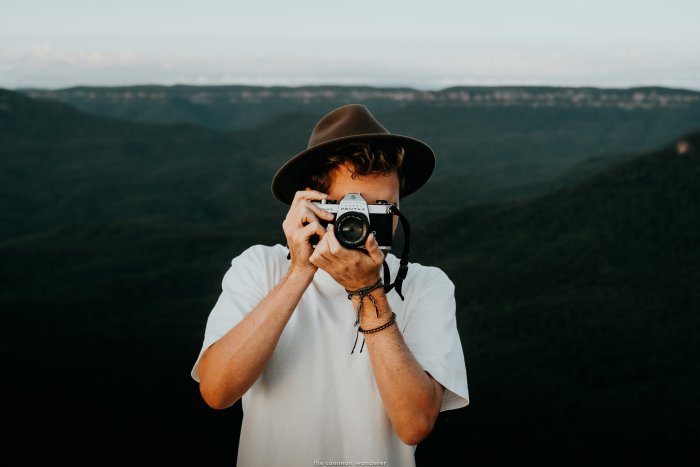
Travel photography blog tips and inspiration

Travel photography is an essential part of capturing and sharing your travel experiences. Whether you are exploring new destinations or revisiting familiar ones, photography allows you to preserve memories and share them with others. In this section, we will delve into the importance of light in travel photography, explore different photography styles suitable for travel, and provide tips for editing travel photos to enhance their impact.

The Importance of Light in Travel Photography

Light plays a crucial role in photography, and in travel photography, it can make or break a shot. The quality, direction, and intensity of light can significantly impact the final outcome of your photos. Here are some key points to consider:

  • Golden Hour: The hour after sunrise and before sunset, known as the golden hour, offers soft, warm light that is perfect for capturing stunning travel photos.
  • Harsh Light: Avoid shooting in harsh midday sunlight, as it can create harsh shadows and overexposed areas. Look for shaded areas or use a diffuser to soften the light.
  • Backlighting: Experiment with backlighting to create silhouettes and add depth to your images. Use the sun or other light sources behind your subject for dramatic effects.

Different Photography Styles for Travel Photography

When it comes to travel photography, there are various styles you can explore to showcase your unique perspective. Here are some popular photography styles suitable for travel:

  • Landscape Photography: Capture the beauty of natural landscapes, from majestic mountains to serene beaches.
  • Street Photography: Document the everyday life and culture of the places you visit, capturing candid moments and interactions.
  • Portrait Photography: Focus on people and their stories, adding a human element to your travel photos.

Tips for Editing Travel Photos

Editing is a crucial step in enhancing the impact of your travel photos. Here are some tips to help you make your travel images stand out:

  • Adjust Exposure: Fine-tune the exposure to ensure your photos are well-balanced and properly exposed.
  • Enhance Colors: Boost the colors in your photos to make them more vibrant and eye-catching, but be careful not to overdo it.
  • Crop and Straighten: Crop your images to improve composition and straighten horizons for a clean look.

Popular Questions

What essential gear should beginners pack for a travel photography blog?

Beginners should invest in a good camera, tripod, and a versatile lens to capture stunning images. Additionally, carrying extra batteries and memory cards is crucial for extended shooting sessions.

How can I monetize my travel photography blog?

You can monetize your blog through affiliate marketing, sponsored content, selling prints, offering photography services, and creating online courses or workshops related to travel photography.

What are some unique photography opportunities during cruise vacations?

Cruise vacations offer stunning opportunities to capture ocean views, coastal landscapes, sunsets at sea, and onboard activities. Don’t miss the chance to document the essence of your cruise experience through photography.


Travel sleep essentials for jet lag: Combatting exhaustion on the go

Travel sleep essentials for jet lag

Travel Sleep Essentials for Jet Lag

Travel sleep essentials for jet lag – Jet lag can wreak havoc on your sleep schedule when traveling across different time zones. Having the right sleep essentials can make a significant difference in combating jet lag and ensuring you get a good night’s sleep during your trip.

Essential Items to Combat Jet Lag

  • 1. Sleep Mask: A comfortable sleep mask can help block out light and signal to your body that it’s time to rest, even in unfamiliar surroundings.
  • 2. Earplugs: Noise-canceling earplugs can minimize disruptions from noisy environments, allowing you to sleep more soundly.
  • 3. Travel Pillow: A supportive travel pillow can help you maintain proper neck alignment and reduce discomfort while sleeping on planes, trains, or in hotels.
  • 4. White Noise Machine: White noise machines can create a consistent and soothing sound environment that masks disruptive noises and promotes relaxation.

Importance of Having These Essentials

Having these travel sleep essentials can help regulate your circadian rhythm, improve sleep quality, and reduce the impact of jet lag on your body.

Tips for Choosing the Right Travel Sleep Essentials

  • Consider your personal preferences for material, size, and features when selecting sleep essentials to ensure maximum comfort.
  • Choose compact and lightweight options for easy packing and convenience during your travels.
  • Test different products before your trip to find the ones that work best for you and help you achieve quality sleep.

Travel Tips

Traveling across multiple time zones can disrupt our internal body clock, leading to jet lag. Here are some practical tips to help minimize its effects and ensure a more restful journey.

Adjust Sleep Patterns Before Traveling

  • A few days before your trip, gradually shift your sleep schedule to match the time zone of your destination.
  • Expose yourself to natural light in the morning to help regulate your internal body clock.
  • Avoid caffeine and heavy meals close to bedtime to promote better sleep quality.

Create a Comfortable Sleep Environment While Traveling

  • Invest in a comfortable travel pillow and blanket to mimic your sleep environment at home.
  • Use earplugs or noise-canceling headphones to block out noise disturbances in unfamiliar surroundings.
  • Choose a room with optimal temperature and darkness to promote restful sleep.

Maintain a Consistent Sleep Schedule

  • Try to stick to your regular bedtime and wake-up time even while traveling to help regulate your body clock.
  • Avoid napping excessively during the day to prevent disrupting your nighttime sleep pattern.
  • Establish a bedtime routine that signals to your body it’s time to wind down and rest.

Use Relaxation Techniques for Better Sleep

  • Practice deep breathing exercises or meditation to relax your mind and body before bedtime.
  • Listen to calming music or white noise to drown out distractions and promote a peaceful sleep environment.
  • Avoid screens before bed and opt for reading a book or gentle stretching to unwind and prepare for sleep.

Travel Itinerary

When planning a travel itinerary, it’s crucial to include time for rest and sleep to combat jet lag effectively. Ignoring the need for downtime can lead to exhaustion and make it harder to adjust to a new time zone. Incorporating activities that promote relaxation and good sleep hygiene can go a long way in ensuring a smooth transition and optimizing sleep quality throughout your trip.

Sample Itinerary with Rest and Sleep Time

  • Arrival Day: Upon arrival, avoid scheduling any strenuous activities and opt for a light meal to help regulate your body clock.
  • Day 2: Plan for a relaxing activity such as a leisurely walk or a visit to a local spa to unwind and prepare for a good night’s sleep.
  • Mid-Trip: Consider incorporating a mid-day nap or quiet time in your schedule to recharge and prevent fatigue.
  • Final Day: Allow yourself time to wind down before departure, avoiding caffeine and screens to promote better sleep quality.

Importance of Incorporating Downtime

Including downtime in your travel schedule is essential to prevent exhaustion and allow your body to adjust to new time zones. Rest periods help reduce stress and promote relaxation, leading to improved sleep quality and overall well-being during your trip.

Recommendations for Promoting Relaxation and Sleep Hygiene

  • Practice mindfulness or meditation before bed to calm your mind and prepare for sleep.
  • Avoid heavy meals and caffeine close to bedtime to prevent disruptions in your sleep cycle.
  • Create a soothing bedtime routine, such as reading a book or taking a warm bath, to signal to your body that it’s time to rest.

Tips for Optimizing Sleep Quality

  • Use earplugs and an eye mask to block out noise and light disturbances for a restful night’s sleep.
  • Adjust to the local time zone as soon as possible by exposing yourself to natural light during the day and avoiding naps that can disrupt your sleep patterns.
  • Select comfortable bedding and maintain a cool, dark sleep environment to enhance your sleep quality while traveling.

Beach Resorts

Beach resorts provide a tranquil and serene environment that is perfect for a restful night’s sleep. The soothing sound of ocean waves and the gentle sea breeze create a peaceful atmosphere that can help guests unwind and relax.

Relaxing Environment

Beach resorts offer a unique setting that allows guests to connect with nature and escape the hustle and bustle of everyday life. The picturesque views of the ocean and the calming sound of waves crashing against the shore can help create a sense of calm and tranquility, promoting a good night’s sleep.

Guest Comfort

When choosing a beach resort, it is important to look for accommodations that prioritize guest comfort and relaxation. Opt for resorts with spacious rooms, cozy bedding, and amenities like blackout curtains to ensure a good night’s sleep. Additionally, consider resorts that offer spa services or wellness activities to help guests unwind and de-stress.

Benefits of Beachfront Accommodations

Staying in beachfront accommodations can offer numerous benefits for a restful stay. Waking up to stunning ocean views and being able to step directly onto the sand can create a sense of serenity and calmness. The fresh sea air and natural surroundings can also contribute to a peaceful night’s sleep, allowing guests to rejuvenate and recharge during their stay.

Cultural Tours

Cultural tours offer a unique opportunity to immerse oneself in the rich history and traditions of a destination, providing a deeper understanding of its people and customs. However, engaging in these tours can also impact sleep routines, especially when adjusting to different time zones and cultural norms.

Strategies for Balancing Exploration and Rest

When embarking on a cultural tour, it’s essential to strike a balance between exploring the sights and getting enough rest and relaxation. Here are some strategies to achieve this balance:

  • Plan your itinerary wisely, allowing for downtime in between visits to cultural sites.
  • Listen to your body’s signals and prioritize rest when needed, even if it means skipping a planned activity.
  • Opt for guided tours that offer a mix of informative insights and opportunities for relaxation.
  • Consider staying in accommodations that prioritize comfort and tranquility to ensure quality rest.

Adjusting to Time Zones and Cultural Norms

Adjusting to different time zones and cultural norms while on a tour can be challenging but essential for a smooth travel experience. Here are some tips to help you adapt:

  • Gradually adjust your sleep schedule a few days before your trip to align with the destination’s time zone.
  • Stay hydrated and nourished to maintain energy levels and support your body’s adjustment to a new environment.
  • Respect local customs and traditions to immerse yourself fully in the cultural experience.
  • Be mindful of meal times and avoid heavy or stimulating foods close to bedtime to promote better sleep.

Incorporating Downtime into Your Itinerary

To ensure you get sufficient rest during a cultural tour, it’s crucial to incorporate downtime into your itinerary. Here are some recommendations for including moments of relaxation:

  • Schedule leisurely walks in scenic areas or parks to unwind and recharge.
  • Allow for breaks in between activities to rest and reflect on the cultural insights gained.
  • Visit local spas or wellness centers for rejuvenating treatments to enhance your overall well-being.
  • Engage in mindful activities like yoga or meditation to promote relaxation and a sense of calm during your travels.

Cruise Vacations

When it comes to cruise vacations, travelers are presented with a unique opportunity to experience a different sleep environment while exploring various destinations. The gentle rocking motion of the ship, coupled with the soothing sounds of the ocean, can create a tranquil setting for rest and relaxation.

Adjusting to Sleep Patterns on a Moving Vessel

One of the main challenges of sleeping on a cruise is adjusting to the constant motion of the ship. To overcome this, it’s essential to choose a cabin located in the middle of the ship, where the movement is less pronounced.

Additionally, using earplugs or white noise machines can help mask any unfamiliar sounds and promote better sleep.

Choosing Cabins for Restful Sleep

When selecting a cabin on a cruise ship, opt for accommodations away from high-traffic areas, such as elevators and stairwells, to minimize noise disturbances. Cabins with larger windows or balconies can offer natural light and fresh air, contributing to a more relaxing sleep environment.

Unplugging for Better Sleep

Disconnecting from technology during a cruise vacation can have a positive impact on sleep quality. By embracing the ocean surroundings and engaging in activities like stargazing or listening to the sound of the waves, travelers can unwind and allow their bodies to naturally adjust to the rhythm of the ship.

Backpacking Trips: Travel Sleep Essentials For Jet Lag

Travel sleep essentials for jet lag

When embarking on backpacking trips, travelers often face unique sleep challenges due to the varying accommodations and environments they encounter along the way. It is essential for backpackers to prioritize rest and relaxation despite the unconventional settings they may find themselves in.

Importance of Lightweight and Compact Sleep Essentials

  • Choose a lightweight sleeping bag that can easily be compressed and fits into your backpack without taking up too much space.
  • Opt for a compact travel pillow that provides adequate support while being easily portable.
  • Invest in earplugs and an eye mask to block out noise and light disturbances that may disrupt your sleep.

Maintaining Sleep Hygiene while Backpacking

  • Stick to a consistent bedtime routine to signal to your body that it is time to rest, even in different locations.
  • Avoid caffeine and heavy meals close to bedtime to ensure a more restful sleep.
  • Stay hydrated throughout the day to promote better sleep quality during your backpacking adventures.

Choosing Sleeping Arrangements for Comfort and Practicality

  • Consider investing in a lightweight and portable hammock for a comfortable and versatile sleeping option.
  • Look for hostels or budget accommodations that offer private rooms or quiet sleeping areas to ensure a more peaceful rest.
  • Bring along a sleeping pad or inflatable mattress for added comfort when sleeping on uneven surfaces.

City Breaks

Travel sleep essentials for jet lag

City breaks can disrupt sleep routines due to the bustling urban environments and packed itineraries that often come with exploring a city. The noise, lights, and constant activity can make it challenging to unwind and get quality rest during your travels.

Finding Moments of Peace

When embarking on a city break, it’s essential to carve out moments of peace and relaxation amidst the hustle and bustle. Consider starting your day with a calming activity like yoga or meditation to set a positive tone. Additionally, take short breaks throughout the day to step away from the crowds and recharge.

Selecting Quiet Accommodations

Choosing accommodations that prioritize quiet and comfort is crucial for getting a good night’s sleep in the city. Look for hotels or rentals located in quieter neighborhoods away from busy streets or nightlife areas. Opt for rooms with soundproofing and comfortable bedding to ensure a peaceful night’s rest.

Exploring Local Parks and Green Spaces

One of the benefits of city breaks is the opportunity to explore local parks and green spaces for relaxation. Take a leisurely stroll through a nearby park, unwind on a bench, or have a picnic to escape the urban chaos and connect with nature.

These green oases can provide a refreshing break from the city’s fast pace and rejuvenate your mind and body.

Travel Blogs

Travel blogs play a crucial role in sharing personal experiences and recommendations related to sleep essentials during travel. They provide valuable insights into choosing the right sleep products for different travel scenarios, helping travelers make informed decisions to improve their quality of sleep while on the go.

Finding Reputable Travel Blogs

When looking for reputable travel blogs that focus on sleep and wellness while traveling, consider the following tips:

  • Check the blog’s credibility by looking at the author’s background and experience in travel and sleep-related topics.
  • Read reviews and comments from other readers to gauge the blog’s reliability and helpfulness.
  • Look for blogs that provide detailed information, practical tips, and personal anecdotes to enrich the content.
  • Verify if the blog collaborates with experts in the field of sleep health and travel for added credibility.

Creating a Travel Blog Post on Better Sleep

When creating a travel blog post dedicated to sharing tips for better sleep on the go, consider the following recommendations:

  • Include personal experiences and anecdotes to make the content relatable and engaging for readers.
  • Provide practical tips and recommendations on choosing sleep essentials such as pillows, blankets, eye masks, and earplugs.
  • Discuss the importance of creating a comfortable sleep environment while traveling and share hacks for improving sleep quality in different settings.
  • Include insights from experts or professionals in sleep health to add authority and credibility to your recommendations.

Travel Essentials

When preparing for a journey, it is essential to pack the right items to ensure a comfortable and restful experience. Including sleep essentials in your travel packing list can make a significant difference in combating jet lag and promoting better sleep throughout your trip.

List of Essential Travel Items:, Travel sleep essentials for jet lag

  • Travel pillow and blanket for extra comfort during long flights or bus rides.
  • Noise-canceling headphones or earplugs to block out unwanted sounds and distractions.
  • Eye mask to create a dark environment for better sleep, especially during daytime travel.
  • Portable white noise machine to drown out unfamiliar noises in different accommodations.
  • Comfortable sleepwear and slippers to feel relaxed and cozy in any setting.

Importance of High-Quality Travel Essentials:

Investing in high-quality travel essentials not only ensures a better travel experience but also provides long-term benefits. Durable and versatile items can withstand frequent use and offer comfort and convenience wherever your adventures take you.

Travel Photography

Travel photography plays a crucial role in capturing moments of relaxation and serenity during a journey. It allows travelers to visually document their experiences, from peaceful sunsets on the beach to tranquil moments in nature, creating lasting memories that evoke a sense of calm and rejuvenation.

Impact of Visual Storytelling

Visual storytelling through travel photography is a powerful tool in promoting travel destinations as restful and rejuvenating. Stunning images of serene landscapes, cozy accommodations, and tranquil settings can inspire wanderlust and attract travelers seeking a peaceful escape from their daily routines.

  • Use soft natural lighting to enhance the feeling of relaxation in your photos.
  • Focus on capturing moments of stillness and tranquility to convey a sense of peace.
  • Incorporate elements like comfortable bedding, cozy interiors, and soothing colors to evoke a restful atmosphere.

Connection Between Travel Photography and Memories

Travel photography not only helps travelers preserve their memories but also enhances their overall travel experience. By capturing moments of relaxation and serenity, travelers can look back on their photos and relive the tranquil moments they experienced during their journey, creating a deeper connection to the places they visited.

  • Include sleep-related themes such as comfortable bedding, dreamy landscapes, and peaceful surroundings in your travel photography projects.
  • Experiment with different angles and compositions to convey a sense of calm and tranquility in your photos.
  • Focus on capturing the essence of relaxation and serenity to create a visual narrative that transports viewers to a peaceful state of mind.

Detailed FAQs

How do I choose the right travel sleep essentials?

Consider your personal preferences and needs, such as whether you prefer a sleep mask or earplugs, to tailor your kit for maximum comfort.

Why is it important to maintain a consistent sleep schedule during travel?

Keeping a regular sleep routine helps regulate your body’s internal clock, making it easier to adjust to new time zones and combat jet lag.

What are some versatile travel essentials that can help with jet lag?

Items like a travel pillow, white noise machine, and relaxation techniques can provide comfort and promote better sleep during your journey.

Travel photography tips for capturing sunsets: Enhance your sunset photography skills

Travel photography tips for capturing sunsets

Travel Photography Tips for Capturing Sunsets

Travel photography tips for capturing sunsets – Capturing sunsets is a magical experience that can add a stunning dimension to your travel photography. The vibrant colors and unique lighting of sunsets can create breathtaking and memorable images that truly capture the essence of a place.

Significance of Sunset Photography in Travel Experiences

Sunset photography plays a crucial role in travel experiences as it allows you to document the end of a day in a beautiful and artistic way. Sunsets often evoke a sense of tranquility, romance, and wonder, making them a popular subject for photographers looking to capture the essence of a location.

Techniques for Capturing Vibrant Sunset Colors

  • Arrive Early: To capture the full range of colors during sunset, arrive at your location early and set up your equipment in advance.
  • Use a Tripod: Stability is key when shooting sunsets, so make sure to use a tripod to avoid camera shake and capture sharp images.
  • Experiment with Composition: Play around with different angles, framing, and foreground elements to add interest to your sunset shots.
  • Consider Silhouettes: Silhouetting objects against the colorful sky can add depth and drama to your sunset photos.

Best Camera Settings for Sunset Photography

  • Shoot in Manual Mode: Take control of your camera settings to adjust the exposure, aperture, and ISO according to the lighting conditions during sunset.
  • Use a Low ISO: Keep your ISO low to minimize noise and ensure sharp, detailed images.
  • Adjust White Balance: Experiment with different white balance settings to enhance the colors and mood of your sunset photos.
  • Shoot in RAW: Capture sunset images in RAW format to retain more details and flexibility during post-processing.

Travel Tips

When planning a sunset photography session while traveling, it’s essential to consider a few key factors to ensure you capture stunning shots and stay safe in unfamiliar places.

Choosing the Best Locations

  • Research potential locations beforehand to find spots known for beautiful sunsets.
  • Consider factors like elevation, bodies of water, and interesting foreground elements for more dynamic shots.
  • Ask locals or other photographers for recommendations on hidden gems off the beaten path.

Safety Measures to Consider

  • Always be aware of your surroundings, especially when shooting in unfamiliar areas.
  • Inform someone of your photography plans and expected return time, especially if venturing out alone.
  • Carry essential safety items like a flashlight, first aid kit, and extra water, especially if shooting in remote locations.

Travel Itinerary

Planning a travel itinerary focused on capturing stunning sunsets requires careful consideration of locations, routes, and accommodation options. Flexibility is key to adapt to changing weather conditions and lighting for the perfect shot.

Sample Itinerary

When designing a travel itinerary for sunset photography, consider starting your journey in coastal areas with unobstructed views of the horizon. Here’s a sample itinerary for capturing sunsets in different locations:

  • Day 1: Start your journey in Santorini, Greece, known for its iconic sunsets over the caldera. Stay in a cliffside hotel in Oia for the best views.
  • Day 2: Travel to Key West, Florida, for a vibrant sunset over the Gulf of Mexico. Book a sunset cruise for a unique perspective.
  • Day 3: Head to Uluru, Australia, to witness the magical colors of the Outback at sunset. Stay at a nearby resort for easy access to the rock formations.
  • Day 4: Explore the Grand Canyon in Arizona, USA, for a dramatic sunset over the vast canyon landscape. Opt for a helicopter tour for aerial views.

Remember to check the weather forecast and be prepared to adjust your itinerary to capture the best lighting conditions for each sunset location.

Beach Resorts

When it comes to capturing stunning sunsets, beach resorts offer a unique and picturesque setting that can elevate your sunset photography to the next level. The combination of the sun dipping below the horizon, the calming sound of the waves, and the vibrant colors reflecting off the water creates the perfect backdrop for memorable sunset shots.

Utilizing the Beach Environment

  • Position yourself close to the water’s edge to capture stunning water reflections of the sunset colors.
  • Experiment with different angles to include silhouettes of palm trees, beach umbrellas, or even people walking along the shore in your sunset photos.
  • Consider incorporating elements like seashells, driftwood, or rocks in the foreground to add texture and depth to your beach sunset shots.

Cultural Tours

Travel photography tips for capturing sunsets

Cultural tours provide a unique opportunity to experience and capture sunsets in diverse settings, each with its own significance and beauty. This allows photographers to explore the world through a different lens, learning about the cultural importance of sunsets in various societies.

Diversity in Sunset Photography

Cultural tours offer a wide range of sunset photography opportunities, from ancient temples in Asia to historic landmarks in Europe. Each location has its own story to tell, allowing photographers to capture the essence of different cultures as the sun sets in the background.

  • Visit traditional villages during sunset hours to witness local rituals or ceremonies that mark the end of the day.
  • Explore architectural marvels like mosques or cathedrals bathed in the warm hues of the setting sun, creating a magical ambiance.
  • Attend cultural festivals or events that celebrate the beauty of nature and the changing colors of the sky at dusk.

Respectful Photography in Culturally Sensitive Locations

When photographing sunsets in culturally significant locations, it is essential to be mindful and respectful of local customs and traditions. Here are some tips for capturing sunsets in a culturally sensitive manner:

  1. Avoid disrupting religious ceremonies or sacred rituals by maintaining a respectful distance and refraining from using flash photography.
  2. Ask for permission before photographing individuals, especially in indigenous communities or private settings, to show respect for their culture and privacy.
  3. Research the cultural significance of sunsets in the region you are visiting to understand the symbolic meanings and traditions associated with dusk.

Cruise Vacations

When it comes to capturing sunsets on a cruise vacation, there are both challenges and advantages to consider. The movement of the ship and limited time windows can make it tricky, but the unique perspectives and angles from a cruise ship can lead to breathtaking sunset photos.

Challenges and Advantages

  • Capturing sunsets on a cruise vacation can be challenging due to the movement of the ship. It can be hard to keep the camera steady and avoid blur in your photos.
  • On the flip side, being on a cruise ship gives you access to different vantage points and angles that you wouldn’t get on land. This can result in stunning and unique sunset shots.

Tips for Overcoming Common Obstacles

  • Use a tripod or stabilize yourself against a solid surface to minimize camera shake caused by the ship’s movement.
  • Adjust your camera settings to compensate for the changing light conditions during sunset, such as lowering the ISO and using a slower shutter speed.
  • Take advantage of the different decks and areas of the ship to find the best vantage points for capturing the sunset.

Unique Perspectives and Angles

  • Experiment with shooting from different levels of the ship, such as the top deck for a panoramic view or from the side for a more dynamic composition.
  • Consider incorporating elements of the ship, such as the silhouette of the railing or the reflection of the sun on the water, to add interest to your sunset photos.

Backpacking Trips

Traveling on backpacking trips offers unique opportunities to capture stunning sunset shots in remote and off-the-beaten-path locations. The freedom of backpacking allows you to explore untouched natural environments and witness breathtaking sunsets that are off the typical tourist trail.

Packing Essential Gear

When preparing for a backpacking trip focused on capturing sunsets, it’s crucial to pack essential photography gear that is lightweight and versatile. Consider carrying a compact camera with manual settings, a sturdy tripod for stability in low light conditions, extra batteries, and memory cards to ensure you never miss a perfect sunset shot.

Benefits of Remote Locations

Capturing sunsets in remote and off-the-beaten-path locations during backpacking trips provides a sense of tranquility and solitude that enhances the beauty of the natural environment. These locations offer unique landscapes, unspoiled by crowds, making your sunset photographs truly one-of-a-kind and unforgettable.

Incorporating the Natural Environment

While backpacking, take advantage of the natural surroundings to enhance your sunset photographs. Experiment with framing your shots using elements such as trees, rock formations, or bodies of water to create depth and add interest to your images. Embrace the raw beauty of the wilderness to capture the essence of the sunset in a way that truly reflects the environment you are exploring.

City Breaks: Travel Photography Tips For Capturing Sunsets

When it comes to capturing urban sunsets during city breaks, there are unique opportunities and challenges that photographers face. The vibrant cityscapes, iconic landmarks, and bustling streets provide a dynamic backdrop for sunset photography. However, factors such as crowds, traffic, and limited vantage points can make it challenging to get the perfect shot.

Here are some techniques and tips for making the most of city sunset photography.

Techniques for Framing Cityscape Sunsets with Iconic Landmarks

  • Consider the composition: When framing cityscape sunsets with iconic landmarks, pay attention to the rule of thirds and leading lines to create a visually appealing image.
  • Use reflections: Look for water bodies or reflective surfaces to capture the sunset and iconic landmarks in a unique way.
  • Experiment with angles: Try shooting from different angles and perspectives to find the best vantage point for showcasing the cityscape and sunset.

Tips for Finding Elevated Viewpoints for Capturing City Sunset Shots

  • Research rooftop bars or observation decks: Many cities have rooftop bars or observation decks that offer stunning views of the city skyline during sunset.
  • Explore high-rise buildings: Look for opportunities to access high-rise buildings or public spaces that provide elevated viewpoints for capturing city sunset shots.
  • Consider hills or elevated areas: Seek out hills or elevated areas in the city that offer panoramic views of the skyline and sunset.

Travel Blogs

Travel photography tips for capturing sunsets

Travel blogs play a crucial role in inspiring and educating photographers about sunset photography. They provide a platform for experienced photographers to share their tips, tricks, and stunning sunset images, motivating others to explore and capture the beauty of sunsets around the world.

Examples of Travel Blogs Showcasing Stunning Sunset Images

  • 1. “Expert Sunset Chaser”: This blog is dedicated to showcasing breathtaking sunset images from various destinations worldwide, along with detailed photography tips and techniques.
  • 2. “Sunset Wanderlust”: A travel blog that focuses on sunset photography, offering readers a visual feast of mesmerizing sunset shots captured by the talented photographer behind the blog.
  • 3. “Golden Hour Adventures”: This blog features captivating sunset photographs accompanied by insightful narratives about the photographer’s experiences chasing sunsets in different corners of the globe.

Tips for Starting a Travel Blog Focused on Sharing Sunset Photography Experiences

  1. 1. Choose a memorable and catchy name for your blog that reflects your passion for sunset photography.
  2. 2. Invest in a good camera and learn the basics of photography to capture stunning sunset images.
  3. 3. Create engaging content by sharing personal stories, photography tips, and travel experiences related to sunsets.
  4. 4. Utilize social media platforms to promote your blog and connect with other sunset photography enthusiasts.
  5. 5. Collaborate with other travel bloggers or photographers to expand your reach and inspire more people with your sunset photography adventures.

Travel Essentials

Capturing stunning sunsets while traveling requires the right photography gear and essential equipment to ensure you get the perfect shot every time. It’s important to pack wisely and have backup equipment to avoid missing out on amazing sunset opportunities.

Essential Photography Gear

  • A sturdy tripod to keep your camera stable during long exposures.
  • A wide-angle lens to capture the full beauty of the sunset sky.
  • A remote shutter release to prevent camera shake and blur in your photos.
  • A lens hood to reduce lens flare and protect your lens from sunlight.

Backup Equipment and Protective Gear

  • Extra camera batteries and memory cards to avoid running out of power or storage space.
  • A camera rain cover or waterproof case in case of unexpected weather changes.
  • A lens cleaning kit to remove dust and debris from your lens for clear, crisp photos.

Packing Tips for Sunset Photography

  • Organize your gear in a camera bag with padded compartments to protect your equipment during travel.
  • Consider carrying a portable light source like a flashlight or headlamp for low-light shooting conditions.
  • Pack a microfiber cloth to wipe down your lens and camera body for clean shots.

Travel Photography

Travel photography is not just about capturing beautiful landscapes or famous landmarks; it is also about telling a story through your images. When it comes to sunset photography, the changing colors and dramatic light can evoke powerful emotions in viewers and transport them to that moment in time.

The connection between travel photography and storytelling is especially evident in sunset images, where the play of light and shadows can create a mesmerizing narrative.

Explore the Connection between Travel Photography and Storytelling through Sunset Images, Travel photography tips for capturing sunsets

Sunset images have the power to capture the essence of a place and convey the emotions felt by the photographer at that moment. By paying attention to composition, lighting, and perspective, photographers can create images that not only showcase the beauty of a sunset but also tell a compelling story about the destination and the experience of being there.

  • Focus on capturing the colors and textures of the sky during sunset to create a sense of atmosphere and mood in your photos.
  • Include elements such as silhouettes, reflections, or landmarks in your sunset shots to add depth and interest to your images.
  • Experiment with different angles and perspectives to find unique ways to capture the beauty of a sunset and create a visually stunning story.

Discuss the Emotional Impact of Sunset Photographs on Viewers and Travelers

Sunset photographs have a universal appeal that transcends cultural and geographical boundaries. The beauty of a sunset can evoke feelings of peace, awe, and wonder in viewers, making them feel connected to the moment captured in the image. For travelers, sunset photographs can serve as powerful reminders of their experiences and adventures, igniting a sense of wanderlust and nostalgia.

  • Use warm tones and soft light in your sunset images to create a sense of tranquility and serenity that resonates with viewers on an emotional level.
  • Capture the fleeting moments of a sunset, such as the last light of day or the changing colors of the sky, to evoke a sense of timelessness and beauty in your photographs.
  • Consider the composition and framing of your sunset shots to guide the viewer’s eye and evoke specific emotions or memories associated with the scene.

Share Tips for Post-Processing Sunset Images to Enhance their Visual Appeal

Post-processing plays a crucial role in enhancing the beauty and impact of sunset images. By adjusting the exposure, contrast, colors, and sharpness of your photos, you can create stunning visuals that capture the essence of a sunset and bring out the details and textures in the scene.

Whether you prefer a natural look or a more stylized approach, post-processing allows you to fine-tune your images and make them truly stand out.

  • Use photo editing software to adjust the exposure and contrast of your sunset images to bring out the details in the shadows and highlights.
  • Enhance the colors of the sunset by adjusting the white balance, saturation, and vibrance of your photos to create a vibrant and dynamic look.
  • Sharpen your sunset images to emphasize the textures and patterns in the scene, making the colors and details pop and adding depth to your photographs.

Questions and Answers

How important is sunset photography in travel experiences?

Sunset photography adds a magical touch to travel experiences, capturing the beauty and essence of a destination’s unique charm.

What are the best camera settings for sunset photography?

For vibrant sunset colors, try a lower ISO, narrow aperture, and slower shutter speed to capture the rich tones and textures of the sky.

How can I find the best locations to capture stunning sunset shots while traveling?

Research local spots, ask locals for recommendations, and explore new vantage points to discover hidden gems for spectacular sunset photography.