Travel Sleep Essentials for Jet Lag
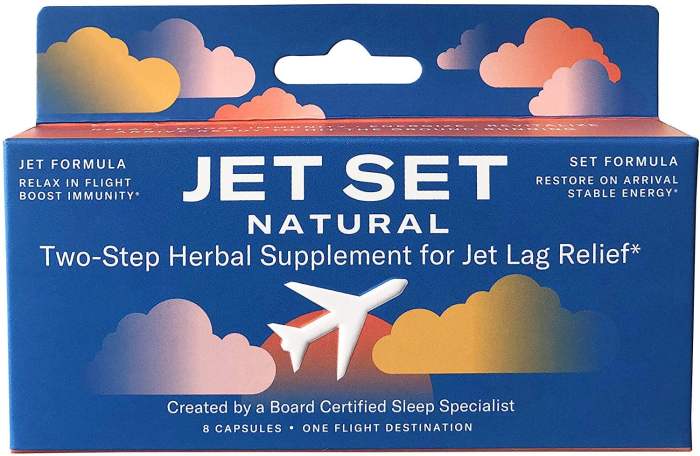
Travel sleep essentials for jet lag – Jet lag can wreak havoc on your sleep schedule when traveling across different time zones. Having the right sleep essentials can make a significant difference in combating jet lag and ensuring you get a good night’s sleep during your trip.
Essential Items to Combat Jet Lag
- 1. Sleep Mask: A comfortable sleep mask can help block out light and signal to your body that it’s time to rest, even in unfamiliar surroundings.
- 2. Earplugs: Noise-canceling earplugs can minimize disruptions from noisy environments, allowing you to sleep more soundly.
- 3. Travel Pillow: A supportive travel pillow can help you maintain proper neck alignment and reduce discomfort while sleeping on planes, trains, or in hotels.
- 4. White Noise Machine: White noise machines can create a consistent and soothing sound environment that masks disruptive noises and promotes relaxation.
Importance of Having These Essentials
Having these travel sleep essentials can help regulate your circadian rhythm, improve sleep quality, and reduce the impact of jet lag on your body.
Tips for Choosing the Right Travel Sleep Essentials
- Consider your personal preferences for material, size, and features when selecting sleep essentials to ensure maximum comfort.
- Choose compact and lightweight options for easy packing and convenience during your travels.
- Test different products before your trip to find the ones that work best for you and help you achieve quality sleep.
Travel Tips
Traveling across multiple time zones can disrupt our internal body clock, leading to jet lag. Here are some practical tips to help minimize its effects and ensure a more restful journey.
Adjust Sleep Patterns Before Traveling
- A few days before your trip, gradually shift your sleep schedule to match the time zone of your destination.
- Expose yourself to natural light in the morning to help regulate your internal body clock.
- Avoid caffeine and heavy meals close to bedtime to promote better sleep quality.
Create a Comfortable Sleep Environment While Traveling
- Invest in a comfortable travel pillow and blanket to mimic your sleep environment at home.
- Use earplugs or noise-canceling headphones to block out noise disturbances in unfamiliar surroundings.
- Choose a room with optimal temperature and darkness to promote restful sleep.
Maintain a Consistent Sleep Schedule
- Try to stick to your regular bedtime and wake-up time even while traveling to help regulate your body clock.
- Avoid napping excessively during the day to prevent disrupting your nighttime sleep pattern.
- Establish a bedtime routine that signals to your body it’s time to wind down and rest.
Use Relaxation Techniques for Better Sleep
- Practice deep breathing exercises or meditation to relax your mind and body before bedtime.
- Listen to calming music or white noise to drown out distractions and promote a peaceful sleep environment.
- Avoid screens before bed and opt for reading a book or gentle stretching to unwind and prepare for sleep.
Travel Itinerary
When planning a travel itinerary, it’s crucial to include time for rest and sleep to combat jet lag effectively. Ignoring the need for downtime can lead to exhaustion and make it harder to adjust to a new time zone. Incorporating activities that promote relaxation and good sleep hygiene can go a long way in ensuring a smooth transition and optimizing sleep quality throughout your trip.
Sample Itinerary with Rest and Sleep Time
- Arrival Day: Upon arrival, avoid scheduling any strenuous activities and opt for a light meal to help regulate your body clock.
- Day 2: Plan for a relaxing activity such as a leisurely walk or a visit to a local spa to unwind and prepare for a good night’s sleep.
- Mid-Trip: Consider incorporating a mid-day nap or quiet time in your schedule to recharge and prevent fatigue.
- Final Day: Allow yourself time to wind down before departure, avoiding caffeine and screens to promote better sleep quality.
Importance of Incorporating Downtime
Including downtime in your travel schedule is essential to prevent exhaustion and allow your body to adjust to new time zones. Rest periods help reduce stress and promote relaxation, leading to improved sleep quality and overall well-being during your trip.
Recommendations for Promoting Relaxation and Sleep Hygiene
- Practice mindfulness or meditation before bed to calm your mind and prepare for sleep.
- Avoid heavy meals and caffeine close to bedtime to prevent disruptions in your sleep cycle.
- Create a soothing bedtime routine, such as reading a book or taking a warm bath, to signal to your body that it’s time to rest.
Tips for Optimizing Sleep Quality
- Use earplugs and an eye mask to block out noise and light disturbances for a restful night’s sleep.
- Adjust to the local time zone as soon as possible by exposing yourself to natural light during the day and avoiding naps that can disrupt your sleep patterns.
- Select comfortable bedding and maintain a cool, dark sleep environment to enhance your sleep quality while traveling.
Beach Resorts
Beach resorts provide a tranquil and serene environment that is perfect for a restful night’s sleep. The soothing sound of ocean waves and the gentle sea breeze create a peaceful atmosphere that can help guests unwind and relax.
Relaxing Environment
Beach resorts offer a unique setting that allows guests to connect with nature and escape the hustle and bustle of everyday life. The picturesque views of the ocean and the calming sound of waves crashing against the shore can help create a sense of calm and tranquility, promoting a good night’s sleep.
Guest Comfort
When choosing a beach resort, it is important to look for accommodations that prioritize guest comfort and relaxation. Opt for resorts with spacious rooms, cozy bedding, and amenities like blackout curtains to ensure a good night’s sleep. Additionally, consider resorts that offer spa services or wellness activities to help guests unwind and de-stress.
Benefits of Beachfront Accommodations
Staying in beachfront accommodations can offer numerous benefits for a restful stay. Waking up to stunning ocean views and being able to step directly onto the sand can create a sense of serenity and calmness. The fresh sea air and natural surroundings can also contribute to a peaceful night’s sleep, allowing guests to rejuvenate and recharge during their stay.
Cultural Tours
Cultural tours offer a unique opportunity to immerse oneself in the rich history and traditions of a destination, providing a deeper understanding of its people and customs. However, engaging in these tours can also impact sleep routines, especially when adjusting to different time zones and cultural norms.
Strategies for Balancing Exploration and Rest
When embarking on a cultural tour, it’s essential to strike a balance between exploring the sights and getting enough rest and relaxation. Here are some strategies to achieve this balance:
- Plan your itinerary wisely, allowing for downtime in between visits to cultural sites.
- Listen to your body’s signals and prioritize rest when needed, even if it means skipping a planned activity.
- Opt for guided tours that offer a mix of informative insights and opportunities for relaxation.
- Consider staying in accommodations that prioritize comfort and tranquility to ensure quality rest.
Adjusting to Time Zones and Cultural Norms
Adjusting to different time zones and cultural norms while on a tour can be challenging but essential for a smooth travel experience. Here are some tips to help you adapt:
- Gradually adjust your sleep schedule a few days before your trip to align with the destination’s time zone.
- Stay hydrated and nourished to maintain energy levels and support your body’s adjustment to a new environment.
- Respect local customs and traditions to immerse yourself fully in the cultural experience.
- Be mindful of meal times and avoid heavy or stimulating foods close to bedtime to promote better sleep.
Incorporating Downtime into Your Itinerary
To ensure you get sufficient rest during a cultural tour, it’s crucial to incorporate downtime into your itinerary. Here are some recommendations for including moments of relaxation:
- Schedule leisurely walks in scenic areas or parks to unwind and recharge.
- Allow for breaks in between activities to rest and reflect on the cultural insights gained.
- Visit local spas or wellness centers for rejuvenating treatments to enhance your overall well-being.
- Engage in mindful activities like yoga or meditation to promote relaxation and a sense of calm during your travels.
Cruise Vacations
When it comes to cruise vacations, travelers are presented with a unique opportunity to experience a different sleep environment while exploring various destinations. The gentle rocking motion of the ship, coupled with the soothing sounds of the ocean, can create a tranquil setting for rest and relaxation.
Adjusting to Sleep Patterns on a Moving Vessel
One of the main challenges of sleeping on a cruise is adjusting to the constant motion of the ship. To overcome this, it’s essential to choose a cabin located in the middle of the ship, where the movement is less pronounced.
Additionally, using earplugs or white noise machines can help mask any unfamiliar sounds and promote better sleep.
Choosing Cabins for Restful Sleep
When selecting a cabin on a cruise ship, opt for accommodations away from high-traffic areas, such as elevators and stairwells, to minimize noise disturbances. Cabins with larger windows or balconies can offer natural light and fresh air, contributing to a more relaxing sleep environment.
Unplugging for Better Sleep
Disconnecting from technology during a cruise vacation can have a positive impact on sleep quality. By embracing the ocean surroundings and engaging in activities like stargazing or listening to the sound of the waves, travelers can unwind and allow their bodies to naturally adjust to the rhythm of the ship.
Backpacking Trips: Travel Sleep Essentials For Jet Lag
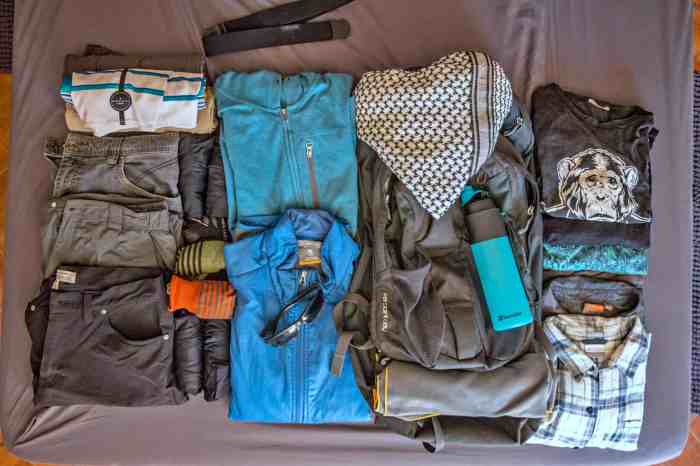
When embarking on backpacking trips, travelers often face unique sleep challenges due to the varying accommodations and environments they encounter along the way. It is essential for backpackers to prioritize rest and relaxation despite the unconventional settings they may find themselves in.
Importance of Lightweight and Compact Sleep Essentials
- Choose a lightweight sleeping bag that can easily be compressed and fits into your backpack without taking up too much space.
- Opt for a compact travel pillow that provides adequate support while being easily portable.
- Invest in earplugs and an eye mask to block out noise and light disturbances that may disrupt your sleep.
Maintaining Sleep Hygiene while Backpacking
- Stick to a consistent bedtime routine to signal to your body that it is time to rest, even in different locations.
- Avoid caffeine and heavy meals close to bedtime to ensure a more restful sleep.
- Stay hydrated throughout the day to promote better sleep quality during your backpacking adventures.
Choosing Sleeping Arrangements for Comfort and Practicality
- Consider investing in a lightweight and portable hammock for a comfortable and versatile sleeping option.
- Look for hostels or budget accommodations that offer private rooms or quiet sleeping areas to ensure a more peaceful rest.
- Bring along a sleeping pad or inflatable mattress for added comfort when sleeping on uneven surfaces.
City Breaks

City breaks can disrupt sleep routines due to the bustling urban environments and packed itineraries that often come with exploring a city. The noise, lights, and constant activity can make it challenging to unwind and get quality rest during your travels.
Finding Moments of Peace
When embarking on a city break, it’s essential to carve out moments of peace and relaxation amidst the hustle and bustle. Consider starting your day with a calming activity like yoga or meditation to set a positive tone. Additionally, take short breaks throughout the day to step away from the crowds and recharge.
Selecting Quiet Accommodations
Choosing accommodations that prioritize quiet and comfort is crucial for getting a good night’s sleep in the city. Look for hotels or rentals located in quieter neighborhoods away from busy streets or nightlife areas. Opt for rooms with soundproofing and comfortable bedding to ensure a peaceful night’s rest.
Exploring Local Parks and Green Spaces
One of the benefits of city breaks is the opportunity to explore local parks and green spaces for relaxation. Take a leisurely stroll through a nearby park, unwind on a bench, or have a picnic to escape the urban chaos and connect with nature.
These green oases can provide a refreshing break from the city’s fast pace and rejuvenate your mind and body.
Travel Blogs
Travel blogs play a crucial role in sharing personal experiences and recommendations related to sleep essentials during travel. They provide valuable insights into choosing the right sleep products for different travel scenarios, helping travelers make informed decisions to improve their quality of sleep while on the go.
Finding Reputable Travel Blogs
When looking for reputable travel blogs that focus on sleep and wellness while traveling, consider the following tips:
- Check the blog’s credibility by looking at the author’s background and experience in travel and sleep-related topics.
- Read reviews and comments from other readers to gauge the blog’s reliability and helpfulness.
- Look for blogs that provide detailed information, practical tips, and personal anecdotes to enrich the content.
- Verify if the blog collaborates with experts in the field of sleep health and travel for added credibility.
Creating a Travel Blog Post on Better Sleep
When creating a travel blog post dedicated to sharing tips for better sleep on the go, consider the following recommendations:
- Include personal experiences and anecdotes to make the content relatable and engaging for readers.
- Provide practical tips and recommendations on choosing sleep essentials such as pillows, blankets, eye masks, and earplugs.
- Discuss the importance of creating a comfortable sleep environment while traveling and share hacks for improving sleep quality in different settings.
- Include insights from experts or professionals in sleep health to add authority and credibility to your recommendations.
Travel Essentials
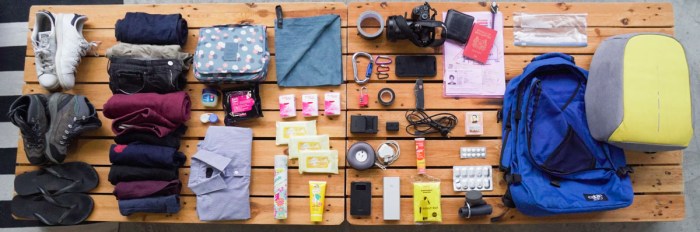
When preparing for a journey, it is essential to pack the right items to ensure a comfortable and restful experience. Including sleep essentials in your travel packing list can make a significant difference in combating jet lag and promoting better sleep throughout your trip.
List of Essential Travel Items:, Travel sleep essentials for jet lag
- Travel pillow and blanket for extra comfort during long flights or bus rides.
- Noise-canceling headphones or earplugs to block out unwanted sounds and distractions.
- Eye mask to create a dark environment for better sleep, especially during daytime travel.
- Portable white noise machine to drown out unfamiliar noises in different accommodations.
- Comfortable sleepwear and slippers to feel relaxed and cozy in any setting.
Importance of High-Quality Travel Essentials:
Investing in high-quality travel essentials not only ensures a better travel experience but also provides long-term benefits. Durable and versatile items can withstand frequent use and offer comfort and convenience wherever your adventures take you.
Travel Photography
Travel photography plays a crucial role in capturing moments of relaxation and serenity during a journey. It allows travelers to visually document their experiences, from peaceful sunsets on the beach to tranquil moments in nature, creating lasting memories that evoke a sense of calm and rejuvenation.
Impact of Visual Storytelling
Visual storytelling through travel photography is a powerful tool in promoting travel destinations as restful and rejuvenating. Stunning images of serene landscapes, cozy accommodations, and tranquil settings can inspire wanderlust and attract travelers seeking a peaceful escape from their daily routines.
- Use soft natural lighting to enhance the feeling of relaxation in your photos.
- Focus on capturing moments of stillness and tranquility to convey a sense of peace.
- Incorporate elements like comfortable bedding, cozy interiors, and soothing colors to evoke a restful atmosphere.
Connection Between Travel Photography and Memories
Travel photography not only helps travelers preserve their memories but also enhances their overall travel experience. By capturing moments of relaxation and serenity, travelers can look back on their photos and relive the tranquil moments they experienced during their journey, creating a deeper connection to the places they visited.
- Include sleep-related themes such as comfortable bedding, dreamy landscapes, and peaceful surroundings in your travel photography projects.
- Experiment with different angles and compositions to convey a sense of calm and tranquility in your photos.
- Focus on capturing the essence of relaxation and serenity to create a visual narrative that transports viewers to a peaceful state of mind.
Detailed FAQs
How do I choose the right travel sleep essentials?
Consider your personal preferences and needs, such as whether you prefer a sleep mask or earplugs, to tailor your kit for maximum comfort.
Why is it important to maintain a consistent sleep schedule during travel?
Keeping a regular sleep routine helps regulate your body’s internal clock, making it easier to adjust to new time zones and combat jet lag.
What are some versatile travel essentials that can help with jet lag?
Items like a travel pillow, white noise machine, and relaxation techniques can provide comfort and promote better sleep during your journey.