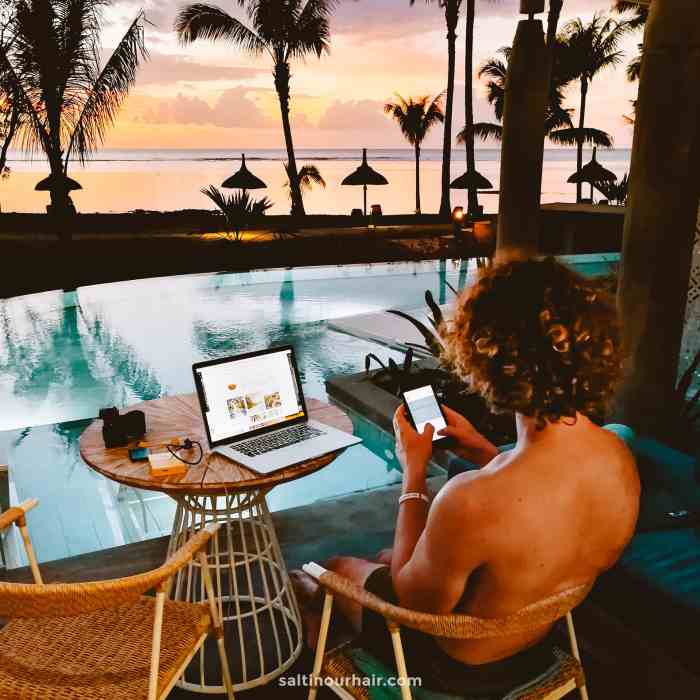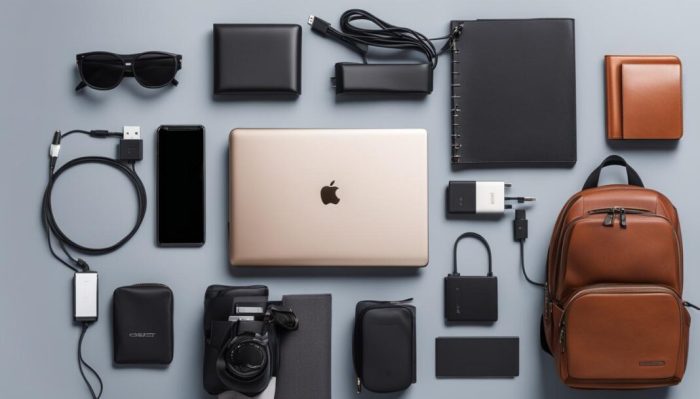
Essential gadgets for digital nomads: Must-have tech for productivity on the go

Essential gadgets for digital nomads

Essential Gadgets for Digital Nomads

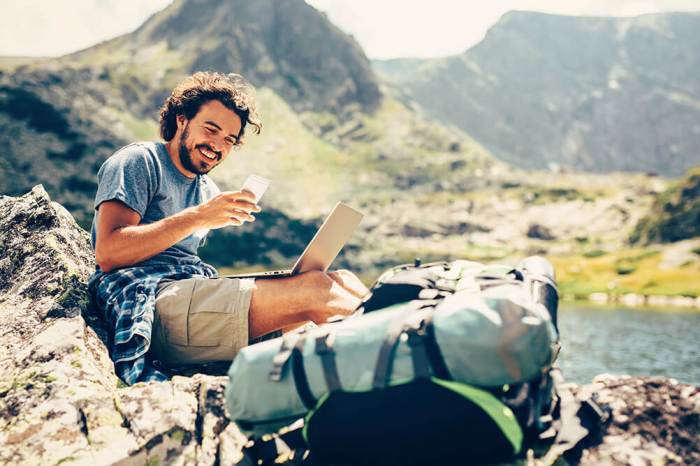
Essential gadgets for digital nomads – As a digital nomad, having the right gadgets can make a significant difference in your productivity and convenience while working on the go. Here are the top 5 gadgets every digital nomad should have:

1. Laptop

A reliable laptop is the most essential tool for any digital nomad. It allows you to work from anywhere, stay connected, and manage your projects efficiently. Invest in a lightweight and powerful laptop that can handle your daily workload.

2. Portable Charger

Keeping your devices charged is crucial when you’re constantly on the move. A portable charger ensures that you never run out of battery power, whether you’re in a cafe, airport, or coworking space. It’s a lifesaver during long travel days or when outlets are scarce.

3. Noise-Canceling Headphones

Working in different environments means dealing with various distractions. Noise-canceling headphones help you focus by blocking out background noise, whether you’re in a busy cafe, on a noisy train, or in a shared workspace. They are essential for staying productive and maintaining concentration.

4. Smartphone

Your smartphone is a versatile tool that keeps you connected, organized, and productive while on the go. From managing emails and calls to navigating new locations and accessing important information, a smartphone is a must-have gadget for any digital nomad.

5. Travel Router

A travel router is a handy device that provides a secure and reliable internet connection wherever you are. It allows you to create your own Wi-Fi network, connect multiple devices, and ensure a stable connection for your work. A travel router is especially useful in hotels or areas with weak or unsecure Wi-Fi signals.

Travel Tips

Traveling as a digital nomad can be an exciting and rewarding experience, but it also comes with its challenges. Here are 7 essential tips to help make your travel experiences smoother and more efficient:

1. Plan Ahead

Before embarking on your travels, make sure to plan ahead. Research your destinations, book accommodations in advance, and create a flexible work schedule to accommodate different time zones.

2. Pack Light

When traveling long-term, it’s important to pack light and only bring the essentials. Invest in quality, multi-purpose items that can serve multiple functions to save space in your luggage.

3. Stay Connected

Ensure you have reliable internet access wherever you go. Purchase a portable hotspot or SIM card with data to stay connected and productive while working remotely.

4. Stay Healthy

Take care of your physical and mental well-being while on the road. Maintain a balanced diet, stay hydrated, get enough rest, and incorporate physical activity into your daily routine to stay healthy and energized.

5. Be Flexible

Flexibility is key when traveling as a digital nomad. Embrace unexpected changes in plans, adapt to different environments, and be open to new experiences that come your way.

6. Network and Collaborate

Connect with other digital nomads, attend co-working events, and collaborate with like-minded individuals to expand your network and gain new insights into remote work opportunities.

7. Take Time to Explore

While work is important, don’t forget to take time to explore your surroundings and immerse yourself in the local culture. Balance work commitments with leisure activities to make the most of your travel experiences.

Travel Itinerary

Essential gadgets for digital nomads

When planning a travel itinerary as a digital nomad, it’s essential to balance work commitments with exploring new places. Here’s a sample itinerary for a digital nomad visiting a popular destination:

Destination: Bali, Indonesia

Bali is a well-known destination for digital nomads due to its affordable cost of living, beautiful landscapes, and vibrant coworking spaces.

  • Accommodation Options:Consider staying in a coworking coliving space like Outpost Ubud or booking a private villa through Airbnb for a comfortable work environment.
  • Coworking Spaces:Workfrom in Canggu, Dojo Bali in Seminyak, and Hubud in Ubud are popular coworking spaces in Bali where you can network with other remote workers.
  • Must-Visit Spots:Explore the rice terraces in Tegalalang, visit the temples of Uluwatu, and unwind at the beaches of Nusa Dua during your leisure time.

Beach Resorts

Working from beach resorts as a digital nomad can offer a perfect blend of productivity and relaxation. The soothing sound of waves, fresh sea breeze, and stunning views can provide a refreshing environment to focus on work while enjoying a tropical paradise.Describing the ideal setup for working remotely from a beach destination involves having a reliable internet connection, a comfortable workspace with a view, and access to amenities like coffee shops or coworking spaces.

It’s essential to find a balance between work and leisure activities to make the most of your time at the beach resort.

Recommended Beach Resorts for Digital Nomads

  • 1. Bali, Indonesia – Known for its picturesque beaches and vibrant coworking spaces, Bali offers a perfect setting for digital nomads looking to work by the beach.
  • 2. Tulum, Mexico – With its bohemian vibe and stunning cenotes, Tulum provides a unique work environment for remote workers seeking a beach escape.
  • 3. Koh Lanta, Thailand – This laid-back island destination offers a peaceful atmosphere, ideal for focusing on work while enjoying the beauty of white sandy beaches.

Cultural Tours

As a digital nomad, immersing oneself in local cultures through cultural tours can be a valuable and enriching experience. It allows you to gain a deeper understanding of the places you visit, connect with locals, and broaden your perspective on the world.

Here are some tips for incorporating cultural tours into your work-travel lifestyle:

Tips for Incorporating Cultural Tours

  • Research beforehand: Before embarking on a cultural tour, take the time to research the history, customs, and traditions of the destination. This will help you appreciate the experience more fully.
  • Plan ahead: Schedule cultural tours in advance to ensure they fit into your work-travel itinerary. Look for tours that align with your interests and schedule.
  • Balance work and exploration: Find a balance between work commitments and cultural exploration. Allocate specific times for cultural tours to make the most of your travel experience.
  • Interact with locals: Engage with locals during cultural tours to learn from their perspectives and gain insights into their way of life. Building connections with locals can enhance your cultural experience.

Examples of Enriching Cultural Tours

Exploring the ancient ruins of Machu Picchu in Peru, where you can learn about the fascinating history of the Inca civilization.

Participating in a traditional tea ceremony in Japan, immersing yourself in the country’s rich tea culture and customs.

Taking a walking tour of the vibrant street art scene in Berlin, Germany, to understand the city’s artistic culture and history.

Cruise Vacations

Working remotely while on a cruise vacation can be an enticing prospect for digital nomads looking to combine work and leisure. However, there are unique challenges and advantages to consider when embarking on a cruise as a digital nomad. Here are some insights on how to make the most of your productivity while enjoying a cruise vacation.

Optimizing Work Productivity on a Cruise

  • Choose the right itinerary: Look for cruises with reliable Wi-Fi connectivity and designated work areas to ensure you can stay connected and focused.
  • Create a schedule: Set aside specific work hours during the day to concentrate on tasks, allowing yourself time to enjoy the cruise activities without distractions.
  • Utilize downtime effectively: Use travel days or evenings to catch up on work, freeing up daytime hours for exploration and relaxation.
  • Stay organized: Make use of digital tools and apps to manage your tasks, deadlines, and communication efficiently while on the go.
  • Network with fellow passengers: Connect with like-minded individuals onboard who share similar work or interests, providing opportunities for collaboration or inspiration.

Backpacking Trips

Backpacking trips can offer digital nomads a unique way to explore different destinations while still being able to work remotely. It allows for a more flexible and adventurous lifestyle, enabling individuals to immerse themselves in new cultures and environments.

Benefits of Backpacking for Digital Nomads

  • Opportunity to explore off-the-beaten-path destinations and connect with locals
  • Cost-effective travel option for those working remotely
  • Promotes a minimalist lifestyle and forces individuals to prioritize essentials

Packing Tips and Essentials

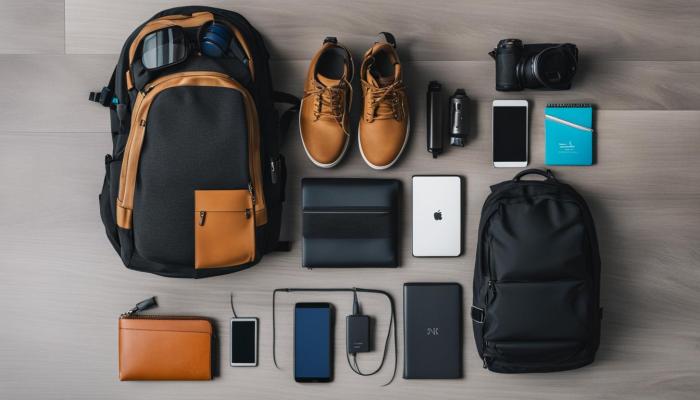
When embarking on a backpacking adventure as a digital nomad, it is crucial to pack light and efficiently. Here are some essential items to consider:

  • Portable charger and power bank to ensure devices stay charged on the go
  • Compact laptop or tablet for work tasks
  • Travel-friendly router for reliable internet connectivity
  • Quick-dry clothing and versatile layers for various weather conditions
  • Quality backpack with comfortable straps and compartments for organization

Experiences and Challenges of Working Remotely While Backpacking

  • Unique experiences of being able to work from stunning natural landscapes or vibrant city streets
  • Challenges include finding reliable Wi-Fi connections in remote areas and balancing work with exploring
  • Adapting to different time zones and work schedules while on the move

City Breaks

When digital nomads are looking for a quick getaway, city breaks offer the perfect opportunity to explore a new destination while still keeping up with work commitments. These short trips can be a refreshing change of scenery and a chance to immerse oneself in a different culture for a few days.

Top Cities for Remote Workers

  • Barcelona, Spain: Known for its vibrant culture and beautiful architecture, Barcelona also offers excellent coworking spaces and reliable internet connectivity for digital nomads.
  • Chiang Mai, Thailand: With its low cost of living and laid-back atmosphere, Chiang Mai is a popular choice for remote workers looking to escape the hustle and bustle of city life.
  • Berlin, Germany: A hub for creativity and innovation, Berlin boasts a thriving startup scene and a wide range of coworking spaces to choose from.

Work-Life Balance on City Breaks

City breaks can be a great opportunity to explore new surroundings and take a break from work, but it’s important to find a balance between work commitments and leisure activities. Setting aside specific work hours each day and planning out your itinerary in advance can help you make the most of your short break without falling behind on work tasks.

Travel Blogs
Essential gadgets for digital nomads

Travel blogs play a crucial role in the digital nomad community, offering valuable insights, tips, and inspiration for those who lead a location-independent lifestyle. They serve as a platform for sharing personal experiences, recommendations, and practical advice on travel destinations, accommodations, budgeting, and work-life balance.

Starting Your Own Travel Blog

  • Choose a niche that aligns with your interests and expertise, whether it’s solo travel, luxury resorts, budget backpacking, or cultural experiences.
  • Invest in a reliable domain name and web hosting to establish a professional online presence.
  • Create high-quality content with engaging writing, captivating photos, and informative videos to attract and retain readers.
  • Promote your blog through social media, collaborations with other travel bloggers, and search engine optimization () techniques.
  • Engage with your audience by responding to comments, hosting giveaways, and sharing personal stories to build a loyal community.

Successful Travel Blogs for Digital Nomads

  • Nomadic Matt:A leading travel blog focusing on budget travel tips, destination guides, and practical advice for long-term travelers.
  • The Blonde Abroad:A popular blog dedicated to female solo travel, luxury experiences, and wellness retreats around the world.
  • Expert Vagabond:An adventure travel blog by Matthew Karsten, featuring adrenaline-pumping activities, off-the-beaten-path destinations, and stunning photography.
  • Goats On The Road:A couple’s travel blog sharing their digital nomad lifestyle, remote work opportunities, and tips for sustainable travel.
  • Legal Nomads:Written by Jodi Ettenberg, this blog combines food, travel, and storytelling, exploring the intersection of culture and cuisine in various countries.

Travel Essentials: Essential Gadgets For Digital Nomads

When embarking on a long-term travel journey as a digital nomad, it’s crucial to pack the right essentials to ensure a smooth and hassle-free experience. From gadgets to clothing and important documents, being prepared can make all the difference in your travel adventures.

Electronic Gadgets

  • A reliable laptop or tablet for work and entertainment on the go.
  • A universal adapter to keep your devices charged in any country.
  • A portable power bank for emergencies when outlets are scarce.
  • Noise-canceling headphones to block out distractions while working or traveling.

Clothing and Accessories

  • Comfortable and versatile clothing suitable for different climates and activities.
  • A compact and lightweight travel backpack to carry your essentials around.
  • A travel towel that dries quickly and takes up minimal space in your luggage.
  • A reusable water bottle to stay hydrated and reduce plastic waste.

Important Documents, Essential gadgets for digital nomads

  • Passport, visas, and any other necessary travel documents in a secure travel wallet.
  • Copies of important documents stored digitally or in a separate location in case of loss.
  • Travel insurance details and emergency contact information easily accessible.
  • Credit cards, debit cards, and a backup payment method for financial security.

Minimalism and Practicality

When choosing your travel essentials, prioritize minimalism and practicality. Opt for multi-functional items that serve multiple purposes to save space and weight in your luggage. Remember that less is more when it comes to long-term travel, and packing light can make your journey much more enjoyable and stress-free.

Travel Photography

Travel photography is an essential part of capturing and preserving memories as a digital nomad. Whether you’re exploring bustling cities, serene beaches, or majestic mountains, having the right gear and knowledge can help you take stunning photos to share with the world.When it comes to travel photography, there are a few key tips to keep in mind to make the most of your experiences.

From choosing the best camera gear to editing and sharing your photos effectively, here are some insights to help you enhance your travel photography skills.

Tips for Capturing Memorable Travel Moments

  • Focus on storytelling: Instead of just taking random shots, think about the story you want to tell through your photos. Capture the essence of a place or moment to create a narrative.
  • Experiment with different angles and perspectives: Don’t be afraid to get creative with your shots. Try shooting from high above or down low to add depth and interest to your photos.
  • Take advantage of natural light: Lighting can make or break a photo. Try to shoot during the golden hours of sunrise and sunset for soft, warm light that enhances your subjects.
  • Interact with locals: People are often the heart of a destination. Take the time to connect with locals and capture authentic moments that tell a deeper story.

Best Camera Gear and Accessories for Travel Photography

  • Compact mirrorless camera: Opt for a lightweight mirrorless camera with interchangeable lenses for high-quality photos without the bulk of a DSLR.
  • Portable tripod: A compact tripod can help stabilize your shots, especially in low light conditions or when capturing long exposures.
  • Waterproof camera bag: Protect your gear from unexpected rain or splashes with a waterproof camera bag that also offers easy access while on the move.
  • Extra batteries and memory cards: Always carry spare batteries and memory cards to avoid missing out on capturing memorable moments due to running out of power or storage.

Editing and Sharing Travel Photos Effectively

  • Use editing apps: Take advantage of mobile editing apps like Lightroom or Snapseed to enhance your photos on the go with adjustments to brightness, contrast, and colors.
  • Share on social media: Showcase your travel photos on platforms like Instagram or Facebook to connect with fellow travelers and inspire others with your adventures.
  • Create a travel blog: Consider starting a travel blog to share in-depth stories behind your photos and provide valuable insights and tips to fellow digital nomads.
  • Print your photos: Don’t forget to print your favorite travel photos to create physical mementos that you can cherish for years to come.

Essential Questionnaire

What are the top 5 gadgets every digital nomad should have?

1. Portable charger 2. Noise-canceling headphones 3. Portable Wi-Fi hotspot 4. Lightweight laptop 5.

Travel adapter

How do these gadgets enhance productivity during travel?

These gadgets ensure that digital nomads can stay connected, work efficiently, and adapt to various work environments while on the move, ultimately increasing productivity and convenience.

Can you share a personal experience where these gadgets were indispensable?

During a recent trip, my portable charger saved me from a dead battery during an important video call, highlighting the necessity of tech gadgets for seamless remote work.

Winter travel essentials for cold destinations: Must-have items for a cozy trip

Winter travel essentials for cold destinations

Winter Travel Essentials for Cold Destinations

Winter travel essentials for cold destinations – When traveling to cold destinations during winter, it is essential to pack the right clothing items to stay warm and comfortable throughout your trip. From layering to selecting the correct fabrics, here are some must-have essentials for your winter travel wardrobe.

Must-Have Clothing Items

  • Thermal underwear: Start with a base layer of thermal underwear to keep your body insulated.
  • Insulated jacket: Invest in a high-quality insulated jacket to trap heat and protect you from the cold.
  • Fleece-lined leggings or pants: Opt for fleece-lined leggings or pants for added warmth without bulk.
  • Sweaters or fleece tops: Layer sweaters or fleece tops for added insulation and comfort.
  • Waterproof and windproof outer layer: Choose a waterproof and windproof jacket to shield you from the elements.

Importance of Layering and Choosing the Right Fabrics

Layering is key to staying warm in cold weather, as it helps trap heat and provides flexibility to adjust to changing temperatures. When selecting fabrics, opt for materials like wool, fleece, and down, as they offer excellent insulation and moisture-wicking properties.

Proper Footwear for Snowy Conditions

Invest in waterproof and insulated boots with good traction to prevent slipping on icy surfaces. Look for boots with a warm lining to keep your feet cozy and dry throughout your winter adventures.

Accessories for Added Warmth

  • Gloves or mittens: Protect your hands from the cold with insulated gloves or mittens.
  • Hats or beanies: Keep your head warm with a cozy hat or beanie that covers your ears.
  • Scarves: Wrap a scarf around your neck to prevent heat loss and add a stylish touch to your winter outfit.
  • Thermal socks: Invest in thermal socks to keep your feet warm and dry, especially when spending extended periods outdoors.

Travel Tips: Winter Travel Essentials For Cold Destinations

Booking accommodations in advance for winter trips is crucial to ensure availability, especially during peak seasons when popular destinations tend to get fully booked quickly. It also allows you to choose accommodations that are equipped to handle cold weather and provide amenities like heating systems.

Navigating Transportation During Snowy Weather

When traveling to cold destinations, it’s important to be prepared for snowy weather conditions that may affect transportation. Make sure to check for any travel advisories or road closures before your trip. Consider renting a four-wheel-drive vehicle or using public transportation if driving conditions are hazardous.

Significance of Travel Insurance for Cold Destinations

Travel insurance is essential when visiting cold destinations, as it can provide coverage for unexpected events such as flight cancellations due to weather conditions, medical emergencies, or lost luggage. Make sure to choose a policy that includes coverage for winter sports activities if you plan to engage in them.

Staying Safe and Warm While Exploring Winter Destinations

To stay safe and warm while exploring winter destinations, dress in layers to trap heat and protect yourself from the cold. Wear insulated, waterproof boots to keep your feet dry and warm. Carry essentials like hand warmers, a thermos with hot drinks, and extra blankets in case of emergencies.

Always check the weather forecast and plan your activities accordingly to avoid exposure to extreme cold temperatures.

Travel Itinerary

Planning a winter trip to a cold destination can be exciting and full of unique activities. Here is a sample itinerary to make the most of your trip:

Outdoor Adventures

When visiting a cold destination during winter, outdoor activities like skiing, snowboarding, ice skating, and snowshoeing are a must-try. Make sure to include these activities in your itinerary for an unforgettable experience.

Cozy Cafes and Restaurants

After a day of outdoor adventures, warm up in cozy cafes and restaurants. Look for places with fireplaces, hot drinks, and hearty meals to enjoy the local cuisine and ambiance.

Maximizing Daylight Hours

During the winter season, daylight hours can be limited. Plan your activities accordingly to make the most of the daylight. Consider starting your day early and prioritizing outdoor activities during the brightest hours.

Beach Resorts

When it comes to winter travel, beach resorts offer a unique and enticing escape from the cold weather. The idea of relaxing on a warm sandy beach, listening to the sound of the ocean, and enjoying the tropical vibes can be incredibly appealing during the winter months.

Beach resorts in cold destinations often provide a variety of activities to keep guests entertained and make the most of their stay. From water sports like snorkeling and scuba diving to beach volleyball and relaxing spa treatments, there is something for everyone to enjoy.

Activities at Beach Resorts

  • Water sports such as snorkeling, scuba diving, and jet skiing
  • Beachside yoga and meditation classes
  • Excursions to nearby islands or nature reserves
  • Live music and entertainment at beachfront bars

Packing Tips for a Beach Holiday in Winter

  • Bring plenty of sunscreen to protect your skin from the sun’s rays, even in winter.
  • Pack lightweight, breathable clothing for warm days and cooler evenings.
  • Don’t forget to bring a swimsuit and beach towel for lounging by the water.
  • Consider packing a reusable water bottle to stay hydrated throughout the day.

Best Beach Resorts for Winter Travel

Resort Name Location Highlights
Mauna Kea Beach Hotel Hawaii, USA White sandy beaches, golf courses, and luxury amenities
One&Only Palmilla Cabo San Lucas, Mexico Private beach access, world-class dining, and spa services
Jumeirah Beach Hotel Dubai, UAE Iconic sail-shaped design, waterpark, and stunning views of the Arabian Gulf

Cultural Tours

Winter travel essentials for cold destinations

When visiting cold destinations, exploring the unique cultural experiences can add depth to your travel itinerary. From traditional festivals to local customs, cultural tours offer a glimpse into the history and heritage of a place.

Unique Cultural Experiences

  • Attend winter festivals showcasing traditional music, dance, and cuisine.
  • Visit local museums and art galleries to learn about the region’s history.
  • Participate in workshops or classes to try traditional crafts or cooking.

Tips for Participating in Cultural Activities

  • Research the cultural norms and etiquette of the destination before participating.
  • Be respectful of local traditions and customs during your interactions.
  • Engage with locals to learn more about their way of life and traditions.

Dressing Appropriately for Cultural Tours in Cold Weather

Layering is key when dressing for cultural tours in cold weather. Opt for thermal wear, wool sweaters, and a waterproof jacket to stay warm and dry.

Recommendations for Cultural Tours in Winter-Friendly Locations

  • Explore the historic sites of Kyoto, Japan, and participate in tea ceremonies.
  • Discover the indigenous culture of the Sami people in Lapland, Finland, through reindeer sleigh rides and traditional storytelling.
  • Immerse yourself in the vibrant arts scene of Reykjavik, Iceland, known for its music, literature, and design.

Cruise Vacations

Taking a cruise vacation during the winter can be a fantastic way to escape the cold weather and enjoy a unique travel experience. Cruise ships offer a variety of amenities and activities that cater to all ages and interests, making them an ideal choice for a winter getaway.

Benefits of Winter Cruises, Winter travel essentials for cold destinations

  • Cruise ships provide a warm and comfortable environment, allowing you to escape the cold weather and enjoy a relaxing vacation.
  • You can visit multiple destinations without the hassle of packing and unpacking, as your accommodation travels with you.
  • Winter cruises often offer special holiday-themed activities and events, adding to the festive atmosphere onboard.
  • Cruise ships are equipped with a range of dining options, entertainment venues, and recreational facilities to keep you entertained throughout your journey.

Tips for Packing for a Winter Cruise

  • Bring layers of clothing to adjust to changing temperatures both on the ship and at port stops.
  • Pack formal attire for any special dinners or events onboard.
  • Don’t forget to pack swimwear if your cruise includes stops in warmer destinations.
  • Remember to bring any necessary medications and travel documents.

Activities and Amenities on Winter Cruises

  • Enjoy live performances, comedy shows, and music concerts onboard.
  • Participate in fitness classes, spa treatments, and recreational activities like rock climbing or mini-golf.
  • Explore various dining options ranging from casual buffets to gourmet restaurants.
  • Take part in shore excursions to explore different destinations and engage in activities like snorkeling, hiking, or sightseeing.

Choosing the Right Winter Cruise

  • Consider the duration of the cruise and the destinations it will visit to match your preferences.
  • Research the cruise line’s reputation, onboard facilities, and entertainment options to ensure a pleasant experience.
  • Check for any special promotions or deals to make the most of your winter cruise getaway.
  • Read reviews from past passengers to get an idea of the overall experience and service quality.

Backpacking Trips

When it comes to backpacking in cold destinations, there are both challenges and rewards to consider. The snowy landscapes and peaceful winter scenery can create a unique and magical experience, but the harsh weather conditions and limited daylight hours can also present obstacles for travelers.

Proper preparation and packing are essential for a successful winter backpacking trip.

Essentials for Winter Backpacking

  • Layered Clothing: Packing multiple layers of clothing, including base layers, insulating layers, and a waterproof outer layer, is crucial to stay warm and dry in cold weather.
  • Warm Sleeping Bag: Invest in a high-quality sleeping bag rated for cold temperatures to ensure a good night’s sleep in chilly conditions.
  • Tent and Shelter: A sturdy tent that can withstand winter weather is essential for protection from snow, wind, and cold temperatures.
  • Food and Water: Pack high-energy snacks and a reliable water filtration system to stay nourished and hydrated during your backpacking trip.
  • Navigational Tools: A map, compass, and GPS device are essential for navigating snowy trails and avoiding getting lost in winter conditions.

Importance of Proper Gear

Proper gear and equipment are crucial for staying safe and comfortable while backpacking in winter. Investing in quality gear can make a significant difference in your overall experience.

Recommended Backpacking Routes

  1. Rocky Mountain National Park, Colorado: Explore the stunning winter landscapes and snow-covered trails in this iconic national park.
  2. Adirondack Mountains, New York: Experience the beauty of the Adirondacks with challenging winter hikes and breathtaking views.
  3. Yukon Territory, Canada: Embark on a wilderness adventure in the remote and rugged landscapes of the Yukon, perfect for experienced backpackers.
  4. Swiss Alps, Switzerland: Discover the picturesque winter wonderland of the Swiss Alps with a variety of backpacking routes for all skill levels.

City Breaks

Winter travel essentials for cold destinations

City breaks in cold destinations offer a unique and charming experience for travelers looking to explore urban areas during the winter season. From festive decorations to cozy cafes, there is plenty to enjoy in cities even when the temperatures drop.

Exploring Cities During Winter

When exploring cities in winter, be sure to pack layers to stay warm while walking around. Consider taking advantage of public transportation or joining guided tours to learn more about the city’s history and culture without being exposed to the cold for too long.

Indoor Attractions and Activities

Cities offer a wide range of indoor attractions and activities to enjoy during the winter months. Visit museums, art galleries, and theaters to stay warm while immersing yourself in the local arts and culture scene. Don’t forget to try local winter delicacies at cozy restaurants and cafes.

Cities Known for Winter Charm

Some cities are known for their winter charm and festive atmosphere, making them perfect for a city break during the colder months. Consider visiting cities like Vienna, Austria, known for its magical Christmas markets, or Quebec City, Canada, with its charming old town covered in snow.

These cities offer a unique winter experience that you won’t forget.

Travel Blogs

Travel blogs focusing on winter travel offer a wealth of information and inspiration for those planning cold weather adventures. Whether you’re looking for destination guides, packing tips, or personal travel stories, these blogs can be a valuable resource to enhance your trip planning experience.

Recommendations for Winter Travel Blogs

  • Adventure in You – This blog covers a wide range of winter travel destinations and provides detailed guides and tips for each location.
  • The Blonde Abroad – Known for her stunning photography and engaging writing style, this blog offers winter travel inspiration and practical advice.
  • Nomadic Matt – With a focus on budget travel, this blog includes winter travel tips for those looking to explore cold destinations without breaking the bank.

Benefits of Reading Travel Blogs for Trip Planning

  • Insider Tips: Travel blogs often provide insider tips and recommendations that you may not find in traditional guidebooks.
  • Personal Stories: Reading about someone else’s winter travel experiences can help you better prepare for your own trip and avoid common pitfalls.
  • Beautiful Imagery: Many travel blogs are filled with stunning photography that can inspire your next winter adventure and help you visualize your destination.

How Travel Blogs Inspire and Provide Insights for Winter Travel

  • Destination Inspiration: Travel blogs showcase a variety of winter destinations, from snowy mountains to charming winter wonderlands, sparking ideas for your next trip.
  • Packing Tips: Bloggers often share packing lists and recommendations for winter gear, helping you stay warm and comfortable during your travels.
  • Itinerary Suggestions: Travel blogs can offer detailed itineraries for winter trips, outlining the best attractions to visit and activities to experience in cold destinations.

Tips for Creating a Travel Blog to Document Winter Adventures

  • Find Your Niche: Decide on a specific focus for your blog, whether it’s budget winter travel, luxury winter getaways, or off-the-beaten-path winter destinations.
  • Showcase Your Personality: Share personal stories, travel mishaps, and memorable experiences to connect with your audience and make your blog stand out.
  • Invest in Quality Photography: Visual content is key for travel blogs, so invest in a good camera and learn basic photography skills to capture the beauty of winter destinations.

Travel Essentials

When traveling to cold destinations during winter, it is essential to pack the right items to stay warm and comfortable throughout your trip. Here are some key essentials to consider:

List of Essential Items

  • Warm clothing such as thermal wear, sweaters, jackets, and winter boots.
  • Hats, gloves, scarves, and earmuffs to protect yourself from the cold.
  • Reusable water bottle to stay hydrated on the go.
  • Moisturizer and lip balm to prevent dry skin and chapped lips.
  • Sunscreen to protect your skin from the sun’s rays, which can still be strong in winter.
  • Portable charger for your electronic devices to stay connected while exploring.

Optimizing Luggage Space

When packing for winter travel, it’s important to optimize your luggage space to fit all your essentials without overpacking. Consider rolling your clothes instead of folding them to save space, and pack versatile items that can be mixed and matched to create different outfits.

Staying Hydrated and Moisturized

During winter trips, the cold weather and indoor heating can cause dehydration and dry skin. Make sure to drink plenty of water and apply moisturizer regularly to keep your skin hydrated and healthy throughout your journey.

Portable Gadgets and Accessories

Invest in portable gadgets such as a travel-sized humidifier to combat dry air in hotel rooms, and a power bank to keep your devices charged while on the move. Additionally, consider packing a compact umbrella and a travel blanket for added comfort during your winter adventures.

Travel Photography

When traveling to cold destinations during winter, capturing stunning landscapes covered in snow can create beautiful memories. Here are some tips and recommendations for taking the best winter travel photos.

Tips for Capturing Winter Landscapes

  • Dress warmly but comfortably to stay out longer in the cold and capture the perfect shot.
  • Look for interesting compositions with the contrast between snow and other elements.
  • Use natural light to your advantage, especially during sunrise and sunset for a warm glow on the snow.
  • Experiment with different angles and perspectives to create unique and captivating photos.

Best Camera Settings for Cold Weather

  • Adjust your white balance to avoid blue-tinted photos in snowy conditions.
  • Use a fast shutter speed to capture falling snowflakes without blurring.
  • Keep spare batteries warm by storing them close to your body to maintain their charge in the cold.
  • Consider using a weather-sealed camera to protect it from snow and moisture.

Protecting Camera Gear from the Cold

  • Use a camera sleeve or cover to shield your gear from snow and moisture.
  • Avoid sudden temperature changes by letting your camera acclimate when moving between indoor and outdoor environments.
  • Carry silica gel packs in your camera bag to absorb moisture and prevent condensation.

Photo Editing Apps for Winter Travel Photos

  • Adobe Lightroom: Offers a wide range of editing tools to enhance colors and details in winter photos.
  • VSCO: Provides filters and presets specifically designed for snowy landscapes.
  • Snapseed: Allows for precise editing with tools like selective adjustments and healing brushes.

Quick FAQs

What fabrics are best for cold weather travel?

Merino wool and synthetic materials like polyester are great for layering and keeping you warm.

How do I maximize luggage space for winter clothing?

Rolling your clothes and using packing cubes can help optimize space efficiently.

Is travel insurance necessary for winter trips?

Yes, travel insurance is crucial for unforeseen circumstances like flight cancellations or medical emergencies.

What type of footwear is ideal for snowy conditions?

Waterproof boots with good traction are recommended to navigate snowy terrains safely.

Cultural travel blog traditions around the world: Unveiling Diverse Cultural Experiences

Cultural travel blog traditions around the world

Travel Tips

Cultural travel blog traditions around the world – When embarking on a cultural travel experience, it’s essential to immerse yourself in the local traditions to truly appreciate the destination’s heritage. Here are some tips to help you navigate and respect different cultural norms while traveling:

Research Local Customs

Before your trip, take the time to research the local customs and traditions of the place you are visiting. Understanding the cultural practices, taboos, and etiquette will help you navigate interactions with locals respectfully.

Respect Local Practices

While traveling, be mindful of your behavior and actions to respect local practices. Be open-minded and adaptable to different ways of life, and always ask for permission before taking photographs or participating in ceremonies.

Dress Appropriately

One way to show respect for local traditions is by dressing appropriately. In some cultures, certain clothing styles may be considered offensive or inappropriate, so it’s crucial to dress modestly and follow dress codes when visiting religious sites or attending cultural events.

Learn Basic Phrases

Learning a few basic phrases in the local language can go a long way in showing respect for the culture. Locals appreciate the effort, even if you only know a few words, and it can help you navigate daily interactions more smoothly.

Participate in Local Activities

Immerse yourself in the local culture by participating in traditional activities or events. Whether it’s trying local cuisine, joining a dance class, or attending a festival, engaging with the community will enhance your cultural travel experience.

Travel Itinerary

Exploring traditions around the world can be a fascinating journey filled with unique experiences and cultural insights. To make the most of your cultural travel blog, it is essential to design a well-rounded itinerary that allows you to visit significant cultural sites and immerse yourself in local traditions.

Balancing structured activities with free time is key to truly absorbing the rich tapestry of cultural traditions that different destinations have to offer.

Sample Itinerary

  • Day 1: Arrive in Tokyo, Japan – Visit the historic Senso-ji Temple and explore the bustling streets of Asakusa.
  • Day 2: Take a day trip to Kyoto – Visit the iconic Fushimi Inari Shrine and experience a traditional tea ceremony.
  • Day 3: Travel to Seoul, South Korea – Explore the ancient Gyeongbokgung Palace and take a stroll through the Bukchon Hanok Village.
  • Day 4: Immerse yourself in the vibrant culture of Mexico City, Mexico – Visit the Frida Kahlo Museum and explore the ancient ruins of Teotihuacan.
  • Day 5: Fly to Marrakech, Morocco – Wander through the colorful souks of the Medina and experience a traditional Moroccan hammam.

Incorporating Cultural Sites and Experiences

When designing your travel itinerary, be sure to include visits to significant cultural sites such as temples, museums, historical landmarks, and traditional villages. These locations provide valuable insights into the local traditions, history, and way of life. Additionally, engaging in cultural experiences like attending festivals, participating in workshops, and trying local cuisine can deepen your understanding and appreciation of the cultural heritage of each destination.

Balance of Structured Activities and Free Time

It is important to strike a balance between structured activities and free time during your travels. While guided tours and cultural performances offer valuable insights, allowing yourself some free time to explore independently and interact with locals can lead to unexpected discoveries and authentic cultural experiences.

Be open to spontaneity and embrace the opportunity to immerse yourself in the daily rhythms of the destination you are visiting.

Beach Resorts

When it comes to beach resorts, they are not just about sun, sand, and sea but also about embracing and showcasing local cultural traditions. These resorts offer a unique opportunity for travelers to immerse themselves in the rich heritage of the destination they are visiting.

Embracing Local Traditions

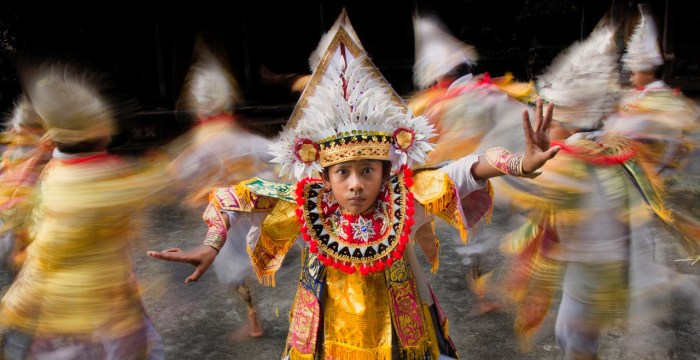
Beach resorts in different countries often incorporate traditional music, dance, and cuisine to provide guests with an authentic cultural experience. Whether it’s a traditional Hawaiian luau, a Balinese dance performance, or a Caribbean cooking class, these resorts go above and beyond to showcase the unique traditions of the region.

Recommendations for Unique Cultural Experiences

  • Mauna Kea Beach Hotel, Hawaii: This resort offers hula lessons, lei-making classes, and traditional Hawaiian music performances to give guests a taste of the local culture.
  • Balé Resort, Bali: Guests can enjoy Balinese dance performances, participate in temple ceremonies, and savor authentic Indonesian cuisine during their stay at this resort.
  • Jumby Bay Island, Antigua: This resort hosts a weekly Caribbean night with live steel drum music, traditional Antiguan dishes, and a lively dance performance showcasing the vibrant culture of the island.

Cultural Tours

Exploring the world through guided cultural tours offers a unique opportunity to delve into the traditions and heritage of different regions. It provides a deeper understanding of diverse cultures and allows travelers to connect with local communities on a meaningful level.

Types of Cultural Tours

  • Historical Tours: These tours focus on the historical sites, monuments, and landmarks of a region, providing valuable insights into its past and the events that shaped its culture.
  • Culinary Tours: Food is an integral part of any culture, and culinary tours offer a delicious way to explore different cuisines, cooking techniques, and local food markets.
  • Art-Focused Tours: For art enthusiasts, these tours showcase the vibrant art scene of a destination, including museums, galleries, street art, and traditional crafts.

Cultural tours not only educate travelers about the traditions of a place but also support local artisans, businesses, and communities, contributing to the preservation of cultural heritage.

Cruise Vacations

Cultural travel blog traditions around the world

Cruise vacations offer a unique platform for travelers to immerse themselves in diverse cultural traditions during port stops. As the ship docks at various destinations, passengers have the opportunity to explore local customs, cuisine, and landmarks, providing a rich cultural experience.

Selecting Cultural-Focused Cruise Itineraries

When choosing a cruise itinerary for a cultural immersion experience, consider destinations known for their rich heritage and traditions. Opt for ports of call that offer guided tours to historical sites, traditional performances, and authentic local experiences. Research cruise lines that prioritize cultural exploration and provide opportunities for meaningful interactions with locals.

  • Look for itineraries that include off-the-beaten-path destinations to truly immerse yourself in the local culture.
  • Consider themed cruises that focus on specific cultural aspects, such as food and wine festivals or traditional celebrations.
  • Choose smaller cruise ships that can access ports that larger vessels cannot, allowing for a more intimate and authentic cultural experience.

Cultural Encounters on Cruise Vacations

Embarking on a cruise vacation opens the door to a plethora of cultural encounters that can enrich your travel experience. From attending traditional dance performances to participating in local craft workshops, these interactions provide a deeper understanding of the destination’s heritage.

  • During a port stop in Japan, passengers can partake in a tea ceremony and learn about the intricate rituals and symbolism behind this ancient tradition.
  • In Greece, cruise travelers have the opportunity to visit archaeological sites such as the Acropolis of Athens and gain insight into the country’s rich history and mythology.
  • A cruise to the Caribbean may include stops at local markets where passengers can sample exotic fruits, spices, and handmade crafts while engaging with the vibrant culture of the islands.

Backpacking Trips

Exploring cultural destinations through backpacking trips off the beaten path offers a unique opportunity to immerse oneself in the local traditions and gain authentic insights into different cultures. It allows travelers to connect with communities in a more meaningful way, fostering a deeper understanding and appreciation for diverse cultural practices.

Packing Tips for Backpacking Trips

  • Pack light and versatile clothing suitable for different weather conditions.
  • Carry essential items such as a first aid kit, reusable water bottle, and portable charger.
  • Include cultural-appropriate attire and respect local dress codes.
  • Opt for compact and multipurpose gear to save space in your backpack.
  • Research the destination to pack specific items like insect repellent or sunscreen.

Engaging with Local Communities

  • Learn basic phrases in the local language to communicate with residents.
  • Respect cultural norms and traditions, such as asking permission before taking photos.
  • Participate in community activities or volunteer opportunities to support local initiatives.
  • Support local businesses and artisans by purchasing handmade souvenirs or products.
  • Be open-minded and curious, willing to learn from the local culture and customs.

City Breaks

City breaks offer a unique opportunity to explore the rich cultural traditions and heritage sites of urban destinations. Whether it’s wandering through historic neighborhoods, visiting iconic landmarks, or indulging in local cuisine, city breaks provide a glimpse into the unique cultural tapestry of a place.

Comparing Cultural Experiences in Different Cities

When it comes to rich cultural experiences, cities like Rome, Kyoto, Istanbul, and Paris stand out for their historical significance, artistic heritage, and vibrant traditions. Each city offers a unique blend of ancient customs, modern influences, and diverse attractions that cater to travelers seeking to immerse themselves in local culture.

  • Explore the ancient ruins of Rome, such as the Colosseum and the Roman Forum, to delve into the city’s rich history and architectural marvels.
  • Discover the traditional tea ceremonies and stunning temples in Kyoto, Japan, where centuries-old customs are still practiced with reverence.
  • Stroll through the bustling bazaars of Istanbul, Turkey, to experience the fusion of East and West cultures, reflected in the city’s vibrant markets and mosques.
  • Indulge in the artistic delights of Paris, France, by visiting world-class museums like the Louvre and exploring charming neighborhoods like Montmartre.

Recommended Cultural Activities for City Break Itineraries

City breaks can be enriched by including cultural activities and attractions that provide insights into the local way of life. From attending traditional performances to participating in hands-on workshops, here are some recommendations to enhance your city break itinerary:

  1. Join a guided walking tour to learn about the history and heritage of the city from knowledgeable local guides.
  2. Attend a cultural festival or event to witness traditional music, dance, and art performances that showcase the city’s cultural identity.
  3. Visit local markets and taste authentic dishes to savor the flavors of the destination and interact with residents.
  4. Explore museums, galleries, and historic sites to gain a deeper understanding of the city’s cultural significance and artistic legacy.

Travel Blogs

Cultural travel blog traditions around the world

Travel blogs play a crucial role in inspiring cultural travelers to explore traditions around the world. They provide a platform for sharing personal experiences, tips, and insights that can help others gain a deeper understanding of different cultures. Through engaging storytelling and vivid imagery, travel blogs can ignite curiosity and encourage readers to embark on their own cultural adventures.

Tips for Creating Engaging Travel Blog Content

Creating engaging and informative travel blog content focused on cultural experiences requires a thoughtful approach. Here are some tips to help you craft compelling stories that resonate with your audience:

  • Share personal anecdotes and experiences to make your content relatable and authentic.
  • Include practical tips and recommendations for cultural travelers, such as local etiquette, unique traditions, and hidden gems.
  • Incorporate high-quality images and videos to visually showcase the cultural richness of the destinations you visit.
  • Collaborate with locals, experts, or cultural ambassadors to provide insider perspectives and unique insights.
  • Create thematic series or guides that delve deep into specific cultural topics or traditions, offering in-depth exploration for readers.

Examples of Successful Travel Blogs Showcasing Cultural Traditions

There are several travel blogs that effectively showcase cultural traditions and heritage from around the world. Here are a few examples of successful travel blogs known for their immersive cultural experiences:

  • Cultural Xplorer:This blog focuses on exploring diverse cultural traditions, festivals, and rituals across different continents, offering a deep dive into the heart of local communities.
  • Wanderlust Chronicles:Known for its captivating storytelling and stunning photography, this blog highlights the beauty of cultural diversity through firsthand travel experiences.
  • Global Nomad Adventures:With a passion for cultural immersion, this blog shares detailed guides and itineraries for travelers seeking authentic traditions and meaningful connections on their journeys.

Travel Essentials

When embarking on a cultural travel adventure, it is essential to pack items that not only make your journey seamless but also promote sustainability and responsible tourism. By choosing the right travel gear, you can align with the ethos of cultural exploration and show respect to the places you visit.

Essential Items for Cultural Travelers

  • Comfortable walking shoes to explore historical sites and cultural landmarks.
  • Appropriate clothing that respects local customs and traditions, such as covering shoulders and knees in conservative regions.
  • A reusable water bottle to reduce plastic waste and stay hydrated while on the go.
  • A journal or travel diary to document your cultural experiences and reflections.
  • A travel adapter to stay connected and charged up for capturing memories.

Significance of Sustainable Travel Essentials

Choosing sustainable travel essentials helps reduce your environmental impact and supports local communities by opting for eco-friendly and ethically made products.

Tips for Choosing Cultural Travel Gear

  • Invest in multipurpose items to minimize the number of things you need to carry.
  • Opt for lightweight and compact gear to make packing and moving around easier.
  • Research local customs and traditions to ensure your gear aligns with cultural expectations.
  • Consider purchasing items from local artisans to support the community and take home unique souvenirs.

Travel Photography

Travel photography plays a crucial role in capturing and sharing cultural travel experiences with a global audience. It allows travelers to preserve memories, showcase unique traditions, and promote cultural awareness worldwide.

Importance of Culturally Sensitive Photography, Cultural travel blog traditions around the world

  • Respect local customs and traditions when taking photographs of people or sacred sites.
  • Ask for permission before taking close-up portraits of individuals, especially in conservative cultures.
  • Avoid exploiting vulnerable communities or sensationalizing poverty through photography.
  • Consider the impact of your images on the community and seek to portray them in a positive light.

Preservation of Endangered Cultural Traditions

  • Documenting cultural practices through photography can help raise awareness about endangered traditions.
  • Sharing photographs of traditional ceremonies, crafts, or rituals can inspire interest and support for cultural preservation efforts.
  • By capturing these moments, travelers can contribute to the safeguarding of intangible cultural heritage for future generations.

Popular Questions: Cultural Travel Blog Traditions Around The World

How can I respectfully immerse myself in local traditions while traveling?

To immerse yourself respectfully in local traditions, start by researching and understanding the cultural norms of the destination. Engage with locals, participate in cultural activities, and always show appreciation for the traditions you encounter.

What are some tips for balancing structured activities with free time during cultural travel?

When planning your itinerary, allocate time for both structured activities like guided tours to learn about traditions and free time to explore on your own. This balance allows for a deeper immersion into the cultural fabric of a destination.

How can cruise vacations contribute to experiencing diverse cultural traditions?

Cruise vacations provide unique opportunities to experience diverse cultural traditions during port stops. By selecting itineraries that focus on cultural immersion and exploration, travelers can engage with local customs, cuisine, and experiences at each destination.

Luxury travel blog Maldives resorts: Your Ultimate Guide to Exquisite Travel Experiences

Luxury travel blog Maldives resorts

Travel Tips

Luxury travel blog Maldives resorts – When it comes to planning a luxury travel experience in the Maldives, there are some essential tips to keep in mind to make the most of your trip. From the best time of year to visit to packing recommendations, here are some key points to consider.

Best Time to Visit

If you’re looking to experience the Maldives at its best in terms of weather and overall experience, the best time to visit is during the dry season which falls between November and April. During these months, you can expect clear skies, calm seas, and plenty of sunshine to enjoy the pristine beaches and luxurious resorts.

Packing Essentials

When packing for a luxury trip to the Maldives, it’s important to include items that will ensure you have a comfortable and enjoyable stay. Some essentials to consider packing include:

  • Lightweight and breathable clothing for the warm tropical weather
  • Sunscreen to protect your skin from the strong sun rays
  • Swimwear for enjoying the crystal-clear waters and beautiful beaches
  • Insect repellent to ward off pesky mosquitoes
  • A good camera to capture the stunning views and memorable moments
  • Underwater camera or snorkeling gear for exploring the vibrant marine life

Travel Itinerary

Luxury travel blog Maldives resorts

Planning a luxury trip to the Maldives involves selecting the perfect resorts to experience the ultimate in relaxation and indulgence. Here is a sample 7-day itinerary that showcases the best of what the Maldives has to offer.

Different Maldives Resort Options

When it comes to luxury resorts in the Maldives, there are a variety of options to choose from, each offering unique experiences and amenities. Here are a few top picks to consider:

  • One&Only Reethi Rah: Known for its stunning overwater villas and exceptional service, this resort is perfect for those seeking a lavish retreat.
  • Gili Lankanfushi: With its eco-friendly design and emphasis on barefoot luxury, this resort provides a serene and tranquil escape.
  • Cheval Blanc Randheli: A haven of sophistication and elegance, this resort offers personalized service and exquisite dining options.

Insider Tips for a Luxury Travel Itinerary

To make the most of your luxury travel itinerary in the Maldives, consider the following insider tips:

  • Book your spa treatments in advance to secure your preferred time slots and services.
  • Take advantage of water sports activities offered by the resort, such as snorkeling, diving, and sunset cruises.
  • Indulge in private dining experiences, such as beachfront dinners or romantic picnics on a secluded sandbank.
  • Explore the local culture by participating in traditional Maldivian cooking classes or visiting nearby islands for a glimpse of everyday life.

Beach Resorts

When it comes to luxury beach resorts in the Maldives, there are several top options that offer unparalleled experiences and amenities for a truly indulgent stay. These resorts are known for their stunning locations, luxurious accommodations, and world-class service.

Top Luxury Beach Resorts in the Maldives

  • Gili Lankanfushi Maldives: This resort is renowned for its overwater villas, private dining experiences, and excellent spa facilities.
  • One&Only Reethi Rah: Known for its spacious villas, beautiful beaches, and top-notch restaurants, this resort offers a truly opulent stay.
  • Cheval Blanc Randheli: With its elegant design, exclusive villas, and exceptional service, this resort is a favorite among luxury travelers.

Unique Features and Amenities

  • Private beaches: Many luxury beach resorts in the Maldives offer exclusive access to pristine beaches for their guests.
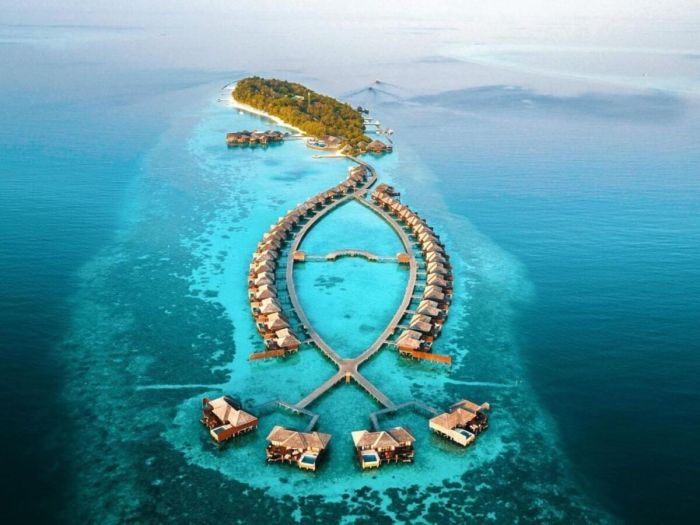
  • Overwater villas: Experience the ultimate luxury in overwater villas with direct access to the crystal-clear waters of the Indian Ocean.
  • Personalized service: From personal butlers to customized dining experiences, these resorts go above and beyond to ensure a memorable stay.

Choosing the Best Beach Resort

  • Consider your preferences: Whether you prefer a secluded retreat or a lively atmosphere, choose a resort that aligns with your vacation style.
  • Look for special offers: Keep an eye out for promotions or packages that can help you make the most of your luxury stay.
  • Read reviews: Check online reviews from previous guests to get an idea of the quality of service and amenities offered by the resort.

Cultural Tours

When visiting the Maldives for a luxury travel experience, it’s essential to explore the cultural side of this beautiful destination. Cultural tours offer a unique opportunity to immerse yourself in the heritage and traditions of the Maldives, providing a deeper understanding of the local way of life.

Local Village Visits

One of the best ways to experience the authentic culture of the Maldives is by taking a tour of a local village. This allows you to interact with the friendly locals, learn about their daily routines, and witness traditional crafts and activities.

It’s a great way to gain insight into the rich history and customs of the Maldives.

Cultural Shows and Performances

Attending cultural shows and performances is another fantastic way to experience the vibrant traditions of the Maldives. From traditional music and dance performances to storytelling and theatrical displays, these events showcase the artistic talents and cultural heritage of the Maldivian people.

Historical Landmarks and Museums, Luxury travel blog Maldives resorts

Exploring the historical landmarks and museums in the Maldives is a must for luxury travelers interested in the cultural heritage of the destination. Visit ancient sites, such as mosques and old ruins, to learn about the fascinating history of the Maldives.

Museums also offer valuable insights into the traditions and customs of the Maldivian people.

Culinary Tours

Food plays a significant role in any culture, and the Maldives is no exception. Embark on a culinary tour to taste traditional Maldivian dishes, learn about local ingredients, and experience the unique flavors of the region. It’s a delicious way to connect with the cultural identity of the Maldives.

Arts and Crafts Workshops

Participating in arts and crafts workshops is a hands-on way to engage with the culture of the Maldives. Learn traditional handicraft techniques, such as weaving and pottery, directly from local artisans. Creating your own souvenir under their guidance adds a personal touch to your cultural experience.

Cruise Vacations

When it comes to exploring the beautiful Maldives in style and luxury, opting for a cruise vacation can be a fantastic choice. Not only do you get to experience the stunning views of the Indian Ocean from a different perspective, but you also have the opportunity to visit multiple islands and dive sites in one trip.

Luxury Cruise Options

If you’re looking for a luxurious cruise experience in the Maldives, there are several high-end options available. From private yacht charters to luxury liveaboards, you can choose a cruise that suits your preferences and budget. These cruises often come with top-notch amenities, gourmet dining options, and personalized service to ensure a memorable experience.

Benefits of Luxury Cruise Vacation

  • Exclusive access to remote and pristine locations
  • Personalized service and attention to detail
  • All-inclusive packages with gourmet dining and premium amenities
  • Opportunity to engage in water sports and activities directly from the cruise

Combining Cruise with Luxury Resorts

For the ultimate luxury vacation in the Maldives, consider combining a cruise with stays at luxury resorts. This way, you can enjoy the best of both worlds – the freedom of exploring different islands and dive sites on a cruise, and the indulgence of relaxing in a luxurious overwater villa or beachfront suite at a top-notch resort.

Some resorts even offer packages that include a cruise as part of the experience, allowing you to tailor your itinerary to your preferences.

Backpacking Trips

When it comes to backpacking in the Maldives, the idea of luxury may not immediately come to mind. However, with the right approach and some insider tips, it is possible to elevate a backpacking trip into a luxurious experience in this tropical paradise.

For budget-conscious luxury travelers, exploring the Maldives through backpacking can offer a unique and unforgettable adventure.

Luxury Backpacking in the Maldives

  • Opt for boutique guesthouses or upscale hostels: While traditional backpacking accommodations may be budget-friendly, choosing boutique guesthouses or upscale hostels can add a touch of luxury to your stay without breaking the bank.
  • Indulge in local cuisine at upscale restaurants: Treat yourself to gourmet meals at upscale restaurants in the Maldives to experience the local flavors in a luxurious setting.
  • Book unique experiences: Look for exclusive tours and activities that cater to luxury travelers, such as private yacht excursions, sunset cruises, or spa treatments on secluded islands.
  • Upgrade your transportation: Instead of crowded ferries or public transportation, consider hiring a private speedboat or seaplane to travel between islands for a more luxurious and convenient experience.

Budget-Conscious Luxury Travel in the Maldives

  • Stay in guesthouses on local islands: Opt for guesthouses on local islands instead of luxury resorts to save on accommodation costs while still enjoying the beauty of the Maldives.
  • Take advantage of local markets: Explore local markets to sample affordable street food and purchase souvenirs at a fraction of the cost compared to resort prices.
  • Join group tours: Participate in group tours or excursions to split costs with other travelers and access exclusive experiences at a discounted rate.
  • Plan your trip during the shoulder season: Visit the Maldives during the shoulder season to enjoy lower prices on accommodation and activities while still experiencing the beauty of the islands.

City Breaks

When you think of the Maldives, luxury beach resorts and overwater bungalows may come to mind. However, the Maldives also offers a unique experience for those looking for a luxury city break. Explore the bustling cities of the Maldives and discover a different side of this tropical paradise.

Top Cities in the Maldives for a Luxury Travel Experience

  • Male: The capital city of the Maldives, Male is a vibrant hub of culture, history, and luxury. Explore the markets, visit historical sites, and indulge in world-class dining and shopping experiences.
  • Hulhumale: Known for its beautiful beaches and modern infrastructure, Hulhumale offers a mix of relaxation and luxury. Enjoy water sports, spa treatments, and upscale accommodations in this up-and-coming city.
  • Addu City: Located in the southernmost atoll of the Maldives, Addu City is a hidden gem waiting to be discovered. Experience luxury resorts, pristine beaches, and unique cultural experiences in this charming city.

Unique Attractions and Activities During a Luxury City Break in the Maldives

  • City Tours: Take a guided tour of the city to learn about its history, culture, and local traditions. Visit landmarks, museums, and cultural sites for a deeper understanding of the Maldivian way of life.
  • Fine Dining: Indulge in gourmet cuisine at upscale restaurants and cafes in the city. From traditional Maldivian dishes to international fusion cuisine, the culinary scene in the Maldives is sure to delight your taste buds.
  • Shopping: Explore the local markets and boutique shops in the city for unique souvenirs, handicrafts, and luxury goods. From handmade jewelry to designer fashion, the Maldives offers a shopping experience like no other.

Travel Blogs

Travel blogs focusing on luxury travel in the Maldives are popular sources of information and inspiration for travelers looking to plan their dream vacation. These blogs often feature detailed reviews, stunning photos, and helpful tips to make the most of a trip to the Maldives.

Popular Luxury Travel Blogs in the Maldives

  • One popular luxury travel blog focusing on the Maldives is “The Luxe Voyager.” This blog offers in-depth reviews of luxury resorts, insider tips, and beautiful imagery to inspire readers.
  • Another well-known luxury travel blog is “The Maldives Expert.” This blog provides comprehensive guides, travel itineraries, and up-to-date information on the best resorts in the Maldives.
  • For travelers seeking a more personalized touch, “The Maldives Travel Diaries” offers personal stories, recommendations, and firsthand experiences of luxury travel in the Maldives.

Impact of Travel Blogs on Luxury Travel Decisions in the Maldives

Travel blogs play a significant role in shaping luxury travel decisions in the Maldives. They provide valuable insights, reviews, and recommendations that help travelers choose the best resorts, activities, and experiences for their trip. The visually appealing content on these blogs also helps create a desire to visit the Maldives and experience its luxury offerings firsthand.

Tips to Leverage Travel Blogs for Planning a Luxury Trip to the Maldives

  • Follow multiple luxury travel blogs to gain a variety of perspectives and recommendations for the Maldives.
  • Engage with bloggers by leaving comments, asking questions, and seeking personalized advice for your trip.
  • Use travel blogs to discover hidden gems, unique experiences, and off-the-beaten-path destinations in the Maldives.
  • Take note of special offers, discounts, and exclusive deals that bloggers may share to enhance your luxury travel experience in the Maldives.

Travel Essentials: Luxury Travel Blog Maldives Resorts

When embarking on a luxury trip to the Maldives, it is essential to pack the right items to ensure a comfortable and enjoyable experience. Having the necessary travel essentials can enhance the overall luxury experience and make your stay in the Maldives even more memorable.

List of Essential Items:

  • Sunscreen: With the tropical climate in the Maldives, protecting your skin from the sun is crucial.
  • Swimsuits and beachwear: You’ll be spending a lot of time by the water, so pack plenty of swimwear.
  • Sunglasses and a hat: Shield your eyes and face from the strong sun rays while enjoying the stunning views.
  • Insect repellent: Keep those pesky bugs at bay, especially during outdoor activities or excursions.
  • Underwater camera: Capture the beauty of the marine life and crystal-clear waters while snorkeling or diving.
  • Light clothing: Opt for breathable and comfortable clothes suitable for the warm weather.

Importance of Travel Essentials:

Having the right travel essentials ensures that you are well-prepared for your luxury trip to the Maldives, allowing you to fully enjoy your vacation without any disruptions or discomfort.

Tips on Where to Find High-Quality Travel Essentials:

Look for reputable brands and specialty stores that offer high-quality travel essentials specifically designed for tropical destinations like the Maldives. You can also check online retailers or luxury travel shops for a wide selection of premium travel gear.

Travel Photography

Travel photography plays a crucial role in capturing the essence of luxury experiences in the Maldives. From stunning sunsets to crystal-clear waters, photography allows travelers to preserve their memories and share their adventures with others.

Tips for Stunning Travel Photos at Luxury Resorts

  • Utilize natural light: Take advantage of the golden hours during sunrise and sunset for the best lighting.
  • Focus on unique perspectives: Experiment with different angles and compositions to capture the beauty of the Maldives.
  • Capture the details: Don’t forget to photograph the small details that make each resort unique, from intricate architecture to lush tropical gardens.
  • Include people in your shots: Whether it’s a loved one relaxing on the beach or a local interacting with guests, human subjects can add depth to your photos.
  • Edit with care: Use editing tools to enhance your photos, but be careful not to overdo it and maintain the natural beauty of the Maldives.

Preserving Memories Through Travel Photography

Travel photography serves as a powerful tool for preserving memories of a luxury trip to the Maldives. By capturing moments of relaxation, adventure, and beauty, travelers can revisit their experiences long after they return home. Each photo tells a story and allows for a nostalgic journey back to the stunning landscapes and luxurious amenities of the Maldives.

Answers to Common Questions

What are some essential tips for luxury travel in the Maldives?

Some essential tips include booking in advance, packing light, and embracing the local culture for a truly immersive experience.

How can I choose the best beach resort for a luxury stay in the Maldives?

Consider factors like location, amenities, and customer reviews to find the perfect beach resort that aligns with your preferences and budget.

Is it possible to combine a cruise vacation with stays at luxury resorts in the Maldives?

Absolutely! You can enhance your Maldivian experience by combining a luxurious cruise vacation with indulgent stays at beach resorts for a diverse and memorable trip.

Where can I find and purchase high-quality travel essentials for the Maldives?

You can find high-quality travel essentials at reputable online retailers, specialty travel stores, or even at the resort gift shops in the Maldives.

Architecture city break in Istanbul: Unveiling the Architectural Marvels of the City

Architecture city break in Istanbul

Travel Tips

Planning an architecture city break in Istanbul can be an exciting and enriching experience. To make the most out of your trip, consider the following travel tips:

Best Time to Visit

When planning your architecture-focused trip to Istanbul, consider visiting during the spring or fall months. The weather during these seasons is pleasant, making it ideal for exploring the city’s architectural wonders without extreme heat or cold hindering your experience.

Research Local Customs

Before embarking on your journey, take the time to research and familiarize yourself with local customs and traditions in Istanbul. Understanding the cultural nuances of the city will not only enhance your experience but also show respect for the local community.

Be mindful of appropriate dress codes when visiting mosques or religious sites.

Transportation and Navigation

When navigating Istanbul for architectural exploration, consider using a mix of public transportation, such as trams, ferries, and buses, along with walking. This will allow you to immerse yourself in the city’s vibrant atmosphere and discover architectural gems hidden in its streets and neighborhoods.

Cultural Etiquette

Respect the customs and traditions of Istanbul by greeting locals with a friendly “Merhaba” (hello) and showing appreciation for the city’s rich history. Remember to be mindful of your surroundings and avoid disruptive behavior in sacred or crowded places.

Travel Itinerary

For a 3-day architectural exploration in Istanbul, we have curated a must-visit itinerary that showcases the city’s stunning landmarks and historical sites. To make the most of your time, we will compare different modes of transportation and organize the itinerary based on proximity.

Day 1: Old City Tour

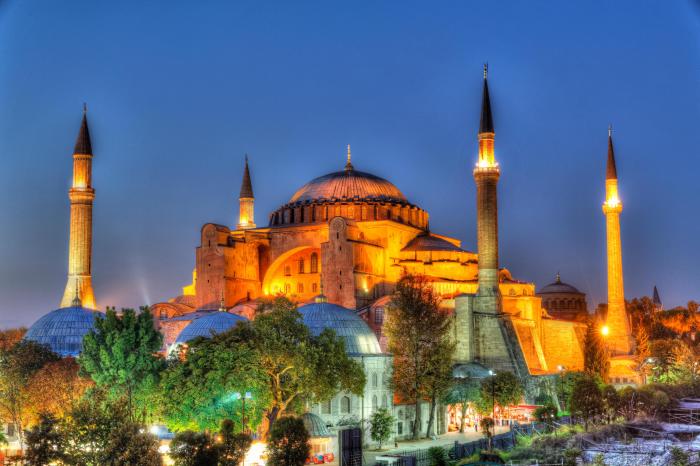
  • Start your day at the iconic Hagia Sophia, a masterpiece of Byzantine architecture.
  • Explore the Blue Mosque with its intricate tile work and impressive domes.
  • Visit the Topkapi Palace, home to Ottoman sultans and showcasing stunning architecture.

Day 2: Modern Istanbul

  • Head to the Istanbul Modern Museum to admire contemporary architectural designs.
  • Take a Bosphorus cruise to see the city’s skyline from the water.
  • Visit the Istanbul Sapphire, one of the tallest buildings in Istanbul, for panoramic views.

Day 3: Bosphorus Architecture Cruise

  • Embark on a Bosphorus architecture cruise to see historical and modern buildings along the strait.
  • Stop at the Dolmabahce Palace, a stunning example of Ottoman architecture on the waterfront.
  • End your day at the Ortakoy Mosque, known for its picturesque location by the Bosphorus.

Beach Resorts: Architecture City Break In Istanbul

When looking for a perfect blend of relaxation and architectural beauty near Istanbul, the top beach resorts in the region offer a unique experience for architecture enthusiasts. These resorts not only provide stunning views of the sea but also showcase impressive architectural styles and designs.

Top Beach Resorts in Istanbul Region

  • A’jia Hotel: Located along the Bosphorus, this boutique hotel offers a mix of Ottoman architecture with modern design elements. Guests can enjoy views of the water from their rooms and relax in luxury.
  • Sumahan on the Water: This restored Ottoman distillery turned boutique hotel combines traditional Turkish architecture with contemporary flair. The waterfront location provides a serene setting for guests to unwind.
  • Radisson Blu Hotel Istanbul Pera: Situated in the vibrant Pera district, this hotel boasts a historic building with a modern interior. Guests can enjoy panoramic views of the city and the Golden Horn.
  • The Grand Tarabya: A luxurious resort overlooking the Bosphorus, The Grand Tarabya features elegant architecture inspired by traditional Ottoman design. Guests can relax in style and enjoy the stunning surroundings.

Architectural Style and Design

The beach resorts near Istanbul showcase a mix of architectural styles, blending traditional Ottoman influences with modern design elements. From restored historic buildings to contemporary structures, each resort offers a unique architectural experience for guests.

Amenities and Facilities for Architecture Enthusiasts

  • Architectural Tours: Some beach resorts offer guided tours to explore the architectural features of the property and learn about its history.
  • Design Workshops: Guests can participate in design workshops and activities to get a hands-on experience of architectural elements.
  • Architectural Libraries: Some resorts have architectural libraries where guests can delve into the history and design principles of the region.
  • Architectural Events: Resorts may host architectural events, exhibitions, or lectures to engage guests with the architectural heritage of Istanbul.

Cultural Tours

Exploring Istanbul’s architectural heritage through cultural tours offers a deeper insight into the city’s rich history and significance.

Architectural Walking Tours

Architectural walking tours in Istanbul take enthusiasts on a journey through the city’s diverse neighborhoods, showcasing a blend of Ottoman, Byzantine, and modern architectural styles. Experienced guides provide historical context and architectural insights, allowing visitors to appreciate the evolution of Istanbul’s skyline over the centuries.

Historical Landmarks Visits

Visiting historical landmarks such as Hagia Sophia, Topkapi Palace, and the Blue Mosque offers architecture enthusiasts a chance to witness iconic structures up close. These tours often delve into the intricate details of each building’s design, construction, and cultural significance, providing a holistic view of Istanbul’s architectural masterpieces.

Bosphorus Cruise Tours

A Bosphorus cruise tour not only provides stunning views of Istanbul’s skyline but also offers a unique perspective on the city’s architectural diversity. As visitors sail along the strait, they can admire waterfront mansions, ancient fortresses, and modern skyscrapers, showcasing Istanbul’s architectural juxtaposition between past and present.

Cruise Vacations

Embarking on a cruise vacation in Istanbul can offer a unique and breathtaking perspective on the city’s architecture. As you sail along the Bosphorus, you’ll be able to witness stunning architectural landmarks that blend centuries of history and culture.

Architectural Landmarks Along the Bosphorus

  • The iconic Hagia Sophia, with its impressive dome and intricate mosaics, stands out on the city skyline.
  • The majestic Topkapi Palace, former residence of Ottoman sultans, showcases opulent design and stunning courtyards.
  • The historic Dolmabahce Palace, a symbol of Ottoman grandeur, boasts a striking European-inspired architecture.
  • The modern Istanbul Sapphire skyscraper, with its futuristic design, adds a contemporary touch to the cityscape.

Tips for Choosing the Best Architectural-Themed Cruise

  • Research cruise companies that offer architectural-focused tours along the Bosphorus to ensure a comprehensive experience.
  • Look for cruises with knowledgeable guides who can provide insightful commentary on the architectural significance of each landmark.
  • Consider the duration of the cruise and the specific landmarks included in the itinerary to tailor the experience to your architectural interests.
  • Check reviews and recommendations from previous travelers to select a reputable cruise company known for delivering a memorable and informative architectural tour.

Backpacking Trips

Exploring Istanbul on a backpacking trip is a fantastic way to immerse yourself in the city’s architectural wonders without breaking the bank. Not only does backpacking offer a budget-friendly travel option, but it also allows you to see the city from a different perspective, discovering hidden gems and unique architectural marvels off the beaten path.

Recommended Backpacking Routes

When backpacking in Istanbul, consider starting your journey in the historic Sultanahmet area, where you can visit iconic landmarks such as the Hagia Sophia, Blue Mosque, and Topkapi Palace. From there, venture into the vibrant neighborhoods of Beyoglu and Karakoy to admire the blend of Ottoman, Byzantine, and modern architecture.

Don’t miss exploring the Asian side of the city, where you can find a mix of traditional and contemporary architectural styles.

Packing Tips for Architecture Enthusiasts

  • Lightweight and compact camera gear to capture the intricate details of the buildings.
  • Comfortable walking shoes for exploring the city on foot.
  • Portable sketchbook and pencils for capturing architectural inspirations on the go.
  • Local SIM card or portable Wi-Fi device to access online architectural guides and maps.
  • Reusable water bottle to stay hydrated while exploring the city’s architectural wonders.

Benefits of Backpacking for Architecture Exploration

  • Flexibility to explore architectural sites at your own pace without being tied to a strict itinerary.
  • Opportunity to interact with locals and gain insights into the cultural and historical significance of the city’s architecture.
  • Cost-effective way to travel, allowing you to allocate more budget towards experiencing architectural tours or visiting museums.
  • Chance to discover hidden architectural gems and off-the-beaten-path landmarks that are not typically included in guided tours.

City Breaks

When it comes to a short architecture-focused city break, Istanbul is a perfect destination that offers a blend of history, culture, and stunning architectural landmarks.

Best Neighborhoods in Istanbul for Architecture Lovers

For easy access to architectural landmarks, consider staying in neighborhoods like Sultanahmet, Beyoglu, or Karakoy. These areas are not only centrally located but also provide proximity to iconic sites such as the Hagia Sophia, Blue Mosque, and Galata Tower.

Advantages of a City Break in Istanbul for Architecture Enthusiasts

  • Immerse yourself in the rich history: A city break allows you to focus on exploring the architectural beauty of Istanbul without feeling rushed.
  • Convenient access to landmarks: Staying in the right neighborhoods ensures easy access to key architectural sites, making your exploration seamless.
  • Opportunity for in-depth exploration: Spending a few days in Istanbul allows you to delve deeper into the historical and cultural significance of the city’s architecture.
  • Flexibility in itinerary: With a short city break, you can tailor your itinerary to focus solely on architectural landmarks or combine it with other cultural activities based on your interests.

Travel Blogs

Travel blogs play a crucial role in inspiring wanderlust and providing valuable insights for travelers seeking new destinations to explore. When it comes to architecture city breaks in Istanbul, there are several popular travel blogs that beautifully capture the essence of the city’s rich architectural heritage.

Exploring Istanbul’s Architecture Through Travel Blogs, Architecture city break in Istanbul

Travel bloggers often showcase Istanbul’s diverse architectural styles, from the iconic Hagia Sophia and Blue Mosque to the historic neighborhoods of Sultanahmet and Beyoğlu. Through vivid descriptions, stunning photography, and personal anecdotes, these bloggers transport their readers to the vibrant streets and majestic landmarks of Istanbul.

  • Bloggers like “Istanbul Explorer” and “Architectural Wonders of Istanbul” provide detailed guides on must-visit architectural sites in the city, offering historical context and insider tips for a memorable experience.
  • Many travel bloggers also highlight the unique blend of East and West influences in Istanbul’s architecture, showcasing how centuries of history have shaped the city’s skyline and urban fabric.
  • Through engaging storytelling and informative content, travel blogs create a sense of curiosity and fascination for architecture enthusiasts, encouraging them to embark on their own architectural journey in Istanbul.

Travel Essentials

Architecture city break in Istanbul

When embarking on an architecture city break in Istanbul, it is crucial to pack the right essentials to ensure a comfortable and enriching experience exploring the city’s architectural marvels.

Checklist of Essential Items

  • Comfortable walking shoes to navigate through the city’s cobblestone streets and historic sites.
  • Sunscreen and a hat to protect yourself from the sun while exploring open-air architectural wonders.
  • A camera or smartphone to capture the intricate details and grandeur of Istanbul’s architectural landmarks.
  • A lightweight backpack to carry water, snacks, a map, and other essentials during your architectural explorations.
  • A portable charger to keep your electronic devices powered up for taking photos and navigating the city.

Tips for Exploring Architectural Sites

  • Start your day early to avoid crowds and make the most of your time exploring architectural gems without rush.
  • Stay hydrated by carrying a reusable water bottle and refilling it at public fountains or cafes along the way.
  • Research the architectural sites you plan to visit beforehand to appreciate the historical and cultural significance of each place.
  • Dress appropriately for visiting mosques and religious sites by covering your shoulders and knees out of respect.

Importance of Travel Essentials

Having the right travel essentials not only ensures your comfort and preparedness while exploring Istanbul’s architectural wonders but also enhances your overall experience by allowing you to fully immerse yourself in the beauty and history of the city.

Travel Photography

Travel photography plays a crucial role in capturing the essence and beauty of architectural masterpieces in Istanbul. By following some photography tips and techniques, you can truly showcase the intricate details of these historical buildings.

Photography Tips for Capturing Istanbul’s Architectural Masterpieces

  • Focus on details: Zoom in on the intricate patterns, textures, and designs that make each building unique.
  • Experiment with angles: Try shooting from different perspectives to find the most interesting and compelling composition.
  • Utilize natural light: Early morning or late afternoon light can enhance the colors and details of the architecture.
  • Include people for scale: Adding human figures in your photos can help viewers understand the scale and grandeur of the buildings.
  • Use a tripod: To ensure sharp and clear images, especially in low light conditions or for long exposure shots.

Best Angles and Lighting Conditions for Architectural Photography in Istanbul

  • Golden Hour: Capture the warm, soft light during sunrise or sunset for a magical glow on the buildings.
  • Silhouette Shots: Experiment with backlighting to create dramatic silhouettes against the skyline.
  • Wide-angle Views: Step back to capture the entire building in the frame, showcasing its grandeur and surroundings.
  • Details Close-ups: Zoom in on specific architectural details to highlight the craftsmanship and intricacy.
  • Night Photography: Explore the city at night to capture the illuminated buildings and their reflections on the water.

Role of Photography in Preserving and Sharing Istanbul’s Architectural Beauty

Photography serves as a powerful tool in documenting and preserving the architectural heritage of Istanbul for future generations. By sharing these images on social media, websites, and publications, photographers can raise awareness and appreciation for the city’s rich history and cultural diversity.

Key Questions Answered

When is the best time to visit Istanbul for architecture enthusiasts?

The ideal time to visit Istanbul for architecture enthusiasts is during the spring or fall when the weather is pleasant, and the crowds are thinner.

What are some essential tips for planning an architecture city break in Istanbul?

Some essential tips include researching local customs, planning visits to iconic landmarks in advance, and considering guided architectural tours for a deeper insight.

Which neighborhoods in Istanbul are best for architecture enthusiasts to stay in?

Neighborhoods like Sultanahmet, Beyoğlu, and Karaköy offer easy access to major architectural landmarks, making them ideal bases for an architecture city break.

Backpacking and digital nomad lifestyle: Tips, Itineraries, Resorts, and More

Backpacking and digital nomad lifestyle

Travel Tips

Backpacking and digital nomad lifestyle – When it comes to backpacking and living a digital nomad lifestyle, it’s important to have a few essential tips in mind to make your journey easier and more enjoyable. From budgeting to staying safe on the road, here are some key points to keep in mind.

Budgeting and Saving Money, Backpacking and digital nomad lifestyle

  • Plan your expenses in advance and set a daily budget to avoid overspending.
  • Avoid eating out for every meal by shopping at local markets and cooking your own meals.
  • Consider staying in budget accommodations like hostels or using platforms like Couchsurfing to save on lodging costs.
  • Look for free or low-cost activities and attractions to explore the destination without breaking the bank.

Importance of Travel Insurance and Staying Safe

  • Invest in a good travel insurance policy to protect yourself in case of emergencies, such as medical issues or trip cancellations.
  • Keep copies of important documents like your passport, visa, and travel insurance information in a secure location, separate from the originals.
  • Research the safety of your destination and take necessary precautions to avoid risky areas or situations.
  • Stay connected with family and friends back home and share your itinerary with them for added safety.

Travel Itinerary

Planning a backpacking trip combined with digital nomad workdays can be an exciting adventure, but it requires careful planning to balance work tasks with exploring new destinations. Here are some tips on how to make the most of your trip while staying productive.

Sample Itinerary

  • Week 1: Arrive at your destination and spend the first few days settling in, exploring the local area, and getting accustomed to the time zone.
  • Week 2-4: Dedicate mornings or afternoons to work tasks, and use the remaining time to explore nearby attractions, try local cuisine, or engage in outdoor activities.
  • Week 5: Plan a weekend getaway to a nearby city or natural wonder to rejuvenate and immerse yourself in a new environment.

Tips for Balancing Work and Exploration

  • Set a schedule: Establish a routine that includes dedicated work hours and leisure time to ensure you stay on track with both work tasks and travel adventures.
  • Prioritize tasks: Identify the most important work tasks that need to be completed and focus on those during your designated work hours.
  • Utilize technology: Take advantage of digital tools and apps to stay organized, communicate with clients or colleagues, and manage your workload efficiently while on the go.

Benefits of Flexible Itineraries for Digital Nomads

  • Opportunity for spontaneity: Flexible itineraries allow digital nomads to seize unexpected opportunities, meet new people, and explore hidden gems that may not be on a traditional travel itinerary.
  • Work-life balance: By incorporating leisure activities into their schedule, digital nomads can maintain a healthy work-life balance and avoid burnout while enjoying the perks of travel.
  • Cultural immersion: Flexible itineraries provide digital nomads with the freedom to immerse themselves in local cultures, traditions, and experiences that may not be part of a rigid travel plan.

Beach Resorts

When it comes to choosing accommodations for digital nomads, beach resorts offer a unique and luxurious option compared to traditional backpacking accommodations. While backpacking accommodations are known for their budget-friendly prices and communal atmosphere, beach resorts provide a more upscale and relaxing environment for remote work.

Amenities at Beach Resorts

At beach resorts, digital nomads can enjoy a range of amenities that are conducive to remote work. Some common amenities found at beach resorts suitable for working include:

  • High-speed Wi-Fi: Most beach resorts offer reliable internet connections, essential for remote work tasks.
  • Quiet workspaces: Many beach resorts provide designated areas or private rooms where digital nomads can work without distractions.
  • Meeting facilities: Beach resorts often have conference rooms or meeting spaces for virtual meetings or collaborations.
  • Fitness centers and wellness activities: Staying active and maintaining a healthy lifestyle is easier at beach resorts with on-site gyms, yoga classes, or spa services.
  • Outdoor workspaces: Some beach resorts offer outdoor workstations with stunning views of the beach or surrounding nature, providing a refreshing change of scenery.

Pros and Cons of Working from a Beach Resort

Working from a beach resort has its advantages and disadvantages that digital nomads should consider:

  • Pros:

    1. Inspirational environment: The tranquil beach setting can boost creativity and productivity.

    2. Relaxation and rejuvenation: After work hours, digital nomads can unwind by the beach or pool, reducing stress and promoting work-life balance.

    3. Networking opportunities: Beach resorts often attract professionals from various industries, offering opportunities for networking and collaboration.

  • Cons:

    1. Cost: Beach resorts can be more expensive than budget accommodations, affecting the digital nomad’s overall travel budget.

    2. Distractions: The allure of the beach and resort activities may tempt digital nomads to procrastinate or prioritize leisure over work.

    3. Limited local experiences: Staying at a beach resort may limit opportunities to immerse in the local culture and community compared to backpacking accommodations.

Cultural Tours

Exploring the cultural side of destinations can offer a unique and enriching experience for backpackers and digital nomads alike. Immerse yourself in local traditions, customs, and history to gain a deeper understanding of the places you visit.

Participating in cultural tours allows travelers to connect with the local community, broaden their perspectives, and create memorable experiences. It’s a way to appreciate diversity and learn from different cultures while fostering mutual respect and understanding.

Significance of Cultural Immersion

Immersing yourself in a new culture can provide a more authentic travel experience and help you break out of your comfort zone. By engaging with locals, trying traditional foods, and learning about their way of life, you can gain valuable insights and create lasting memories.

Tips for Respectful Cultural Interactions

  • Acknowledge and respect local customs and traditions, even if they are different from your own.
  • Learn a few basic phrases in the local language to show respect and make communication easier.
  • Ask for permission before taking photos of people, religious sites, or culturally sensitive areas.
  • Dress modestly and appropriately, especially when visiting religious sites or attending cultural events.
  • Be open-minded and curious, ask questions respectfully, and listen actively to the stories shared by locals.

Cruise Vacations

When it comes to comparing backpacking trips with cruise vacations for digital nomads, there are significant differences in terms of lifestyle, work environment, and overall experience. While backpacking allows for more flexibility and exploration on land, cruise vacations offer a structured and luxurious setting on the water.

Staying Productive on a Cruise

  • Set a dedicated workspace: Find a quiet area onboard where you can focus and work without distractions.
  • Utilize onboard Wi-Fi: Many cruise ships offer Wi-Fi packages for staying connected and getting work done.
  • Plan your schedule: Allocate specific times for work and leisure activities to maintain a balance.
  • Take advantage of onboard amenities: Use facilities like libraries or coffee shops for a change of scenery while working.

Challenges and Benefits of Working from a Cruise Ship

  • Challenges:
    • Unreliable internet connection at sea can disrupt work tasks.
    • Limited workspace options compared to a traditional office setup.
    • Adjusting to the movement of the ship may affect productivity for some individuals.
  • Benefits:
    • Scenic views and relaxing atmosphere can enhance creativity and focus.
    • Opportunities to network with other travelers and professionals onboard.
    • Ability to explore multiple destinations while still being able to work.

Backpacking Trips

Backpacking and digital nomad lifestyle

When combining backpacking with a digital nomad lifestyle, it’s essential to pack efficiently and choose destinations that offer a balance of adventure and productivity. Finding accommodation with reliable Wi-Fi is crucial for remote work success.

Packing Tips for Backpackers and Digital Nomads

  • Invest in a lightweight, versatile backpack that can fit all your essentials, including your laptop and work-related items.
  • Pack multi-purpose clothing items to save space and adapt to different climates.
  • Bring a portable charger to ensure your devices stay powered up while on the go.
  • Consider packing a portable Wi-Fi hotspot for backup internet access in remote areas.

Best Destinations for Backpacking and Remote Work

  • Bali, Indonesia: Known for its affordable cost of living, beautiful landscapes, and strong digital nomad community.
  • Chiang Mai, Thailand: A popular destination with a low cost of living, excellent food, and reliable Wi-Fi options.
  • Medellin, Colombia: A vibrant city with a mild climate, affordable accommodations, and a growing digital nomad scene.

Finding Accommodation with Reliable Wi-Fi

  • Look for accommodations listed on platforms like Airbnb or Booking.com that specifically mention high-speed internet.
  • Check reviews from previous guests to ensure that the Wi-Fi is reliable and suitable for remote work.
  • Consider co-living spaces or digital nomad-friendly hostels that cater to remote workers and offer strong internet connections.

City Breaks: Backpacking And Digital Nomad Lifestyle

City breaks offer a unique experience compared to longer backpacking trips for digital nomads. While backpacking allows for more in-depth exploration of a region or country, city breaks provide a concentrated dose of culture, history, and local life in a short period.

Managing Work Responsibilities on a City Break

When embarking on a city break while juggling work responsibilities, time management is key. Prioritize your workload before the trip, set specific work hours during your stay, and make the most of your free time by planning activities efficiently.

Advantages of Exploring Cities as a Digital Nomad

  • Access to amenities and services: Cities offer a wide range of facilities such as coworking spaces, high-speed internet, and diverse dining options, making it easier to balance work and exploration.
  • Cultural immersion: Cities are melting pots of culture, providing digital nomads with opportunities to engage with local traditions, cuisine, and arts.
  • Networking opportunities: Urban centers attract professionals from various industries, offering digital nomads the chance to connect with like-minded individuals, attend events, and expand their professional network.
  • Convenience and accessibility: Cities usually have efficient public transportation systems, making it convenient to navigate between attractions, accommodation, and workspaces.

Travel Blogs

Travel blogs play a crucial role in inspiring backpackers and digital nomads, providing valuable insights, tips, and first-hand experiences that can shape their travel adventures. These online platforms offer a wealth of information on destinations, budgeting, accommodation, transportation, and cultural experiences, making them indispensable resources for those seeking to explore the world.

Popular Travel Bloggers

  • Nomadic Matt: Known for his budget travel tips and destination guides, Nomadic Matt has inspired countless travelers to explore the world on a shoestring budget.
  • The Blonde Abroad: With a focus on solo female travel, The Blonde Abroad offers practical advice, packing tips, and destination recommendations for adventurous female travelers.
  • Expert Vagabond: Providing stunning photography and captivating storytelling, Expert Vagabond shares his experiences from off-the-beaten-path destinations around the globe.

Impact of Travel Blogs

Travel blogs have a significant impact on shaping travel experiences by offering personalized recommendations, practical advice, and insider tips that go beyond traditional guidebooks. These platforms create a sense of community among like-minded travelers, fostering a spirit of exploration and discovery.

By sharing authentic stories and unique perspectives, travel bloggers inspire others to step out of their comfort zones and embark on unforgettable journeys.

Travel Essentials

When embarking on backpacking or living the digital nomad lifestyle, it’s crucial to have the right essentials to ensure a smooth and comfortable journey. Packing efficiently and carrying versatile items can make a huge difference in your travel experience.

Essential Items for Backpackers and Digital Nomads

  • A sturdy backpack with multiple compartments for organization.
  • Portable charger and power bank to keep your devices charged on the go.
  • Quick-dry towels and travel-size toiletries for convenience.
  • Universal adapter to plug in your electronic devices anywhere in the world.
  • Multi-purpose clothing items that can be layered for different climates.
  • Reusable water bottle to stay hydrated and reduce plastic waste.
  • First aid kit with essential medications and supplies for emergencies.

Tips for Packing Efficiently

  • Roll your clothes instead of folding to save space in your backpack.
  • Use packing cubes or compression bags to organize and maximize space.
  • Pack lightweight and quick-dry clothing that can be easily washed and dried.
  • Opt for travel-size toiletries and refillable containers to save space and weight.

Importance of Versatile and Multi-purpose Travel Essentials

Versatile items like a sarong or a scarf can serve multiple purposes such as a beach towel, a blanket, or even a makeshift bag. Choosing multi-purpose essentials can help you pack lighter and be more prepared for various situations during your travels.

Travel Photography

Backpacking and digital nomad lifestyle

Travel photography is an essential part of capturing the moments and memories of your backpacking adventures and digital nomad lifestyle. It allows you to document your experiences and share them with others online, creating a visual diary of your travels.

Tips for Capturing the Best Travel Moments

  • Make use of natural light for stunning outdoor shots.
  • Experiment with different angles and perspectives to add interest to your photos.
  • Capture candid moments to convey the true essence of your travel experiences.
  • Focus on details to tell a story within each photograph.
  • Don’t forget to include yourself in some shots to show your presence in the moment.

Must-Have Photography Gear for Travelers

  • A quality camera – whether it’s a DSLR, mirrorless, or even just a high-end smartphone.
  • A versatile lens for different types of shots, such as wide-angle for landscapes or a zoom lens for wildlife.
  • A sturdy tripod for stable shots, especially in low light conditions or for self-portraits.
  • An extra battery and memory cards to ensure you never miss a shot due to lack of power or storage space.
  • A camera bag or case to protect your gear while on the move.

Role of Travel Photography in Documenting Experiences

Travel photography serves as a visual record of your journey, allowing you to revisit and relive your adventures through images. It also enables you to share your experiences with others, inspiring them to explore new destinations and cultures. By documenting your travels through photography, you create a lasting legacy of your experiences that can be cherished for years to come.

Frequently Asked Questions

What are some unique challenges of working from a cruise ship as a digital nomad?

Working from a cruise ship can pose challenges such as limited internet connectivity, distractions from onboard activities, and adapting to the confined workspace.

How can digital nomads ensure safety while backpacking in remote destinations?

Digital nomads should research local safety conditions, carry necessary emergency supplies, and stay connected with reliable communication devices for added security.

What amenities should digital nomads look for in beach resorts suitable for remote work?

Beach resorts with high-speed Wi-Fi, quiet workspaces, business center facilities, and ergonomic furniture are ideal for digital nomads balancing work and leisure.

Backpacking route with historical landmarks in Europe: A Journey Through Time

Backpacking route with historical landmarks in Europe

Travel Tips

Backpacking route with historical landmarks in Europe – When backpacking in Europe, it is important to prioritize safety, budgeting, and cultural immersion. Here are some essential tips to make the most of your journey:

Navigating Public Transportation

When using public transportation in Europe, be sure to research the local systems in advance. Look into purchasing multi-day or city passes for cost-effective travel. Always validate your tickets before boarding to avoid fines.

Finding Affordable Accommodations

To save money on accommodations, consider staying in hostels, guesthouses, or Airbnb rentals. Booking in advance can also help secure lower prices. Additionally, look for budget-friendly options outside of major tourist areas.

Interacting with Locals

Engaging with locals can enhance your cultural experience. Learn a few basic phrases in the local language, be respectful of customs, and show genuine interest in the local culture. This can lead to meaningful connections and memorable experiences.

Importance of Travel Insurance, Backpacking route with historical landmarks in Europe

Travel insurance is essential when backpacking in Europe. It provides coverage for emergency medical expenses, trip cancellations, and lost or stolen belongings. Make sure to choose a comprehensive plan that suits your needs.

Packing Light

Pack only the essentials to avoid carrying heavy luggage throughout your journey. Opt for versatile clothing items and travel-sized toiletries. Remember that you can always purchase items you need along the way.

Staying Flexible with Plans

While it’s good to have a rough itinerary, remain flexible with your plans. Unexpected opportunities may arise, and being open to changes can lead to unforgettable experiences. Embrace spontaneity and enjoy the journey.

Travel Itinerary

Embark on a fascinating backpacking journey through Europe, exploring iconic historical landmarks such as the Colosseum in Rome, the Acropolis in Athens, and the Eiffel Tower in Paris. Immerse yourself in the rich history and culture of these renowned sites while also discovering hidden gems along the way.

Rome, Italy

Day 1-3

Begin your adventure in Rome, where you will marvel at the ancient grandeur of the Colosseum. Spend your days exploring the Roman Forum, wandering through the historic streets of the city, and indulging in delicious Italian cuisine.

  • Visit the Pantheon and Trevi Fountain
  • Take a stroll through the charming Trastevere neighborhood
  • Enjoy a gelato at the famous Gelateria del Teatro

Athens, Greece

Day 4-6

Next, head to Athens and discover the stunning Acropolis overlooking the city. Dive into Greek mythology and history as you explore the Parthenon and other ancient ruins.

  • Explore the Plaka district and enjoy traditional Greek dishes
  • Visit the Ancient Agora and Temple of Olympian Zeus
  • Hike up Mount Lycabettus for panoramic views of Athens

Paris, France

Day 7-10

Conclude your journey in Paris, where you will be captivated by the iconic Eiffel Tower and the romantic ambiance of the city. Explore world-class museums, charming neighborhoods, and delectable patisseries.

  • Visit the Louvre Museum and admire the Mona Lisa
  • Stroll along the Seine River and enjoy a picnic at Luxembourg Gardens
  • Discover the hidden gems of Montmartre and Canal Saint-Martin

Off-the-Beaten-Path Sites

For a unique historical experience off the traditional tourist trail, consider exploring:

  • The Baths of Caracalla in Rome
  • The Ancient Agora of Thessaloniki in Greece
  • The Palace of Fontainebleau near Paris

Beach Resorts

Along the backpacking route in Europe, there are several beach resorts that offer a perfect blend of historical charm and modern amenities. These destinations provide unique cultural experiences, exciting water activities, and delicious local cuisine.

Amalfi Coast, Italy

The Amalfi Coast in Italy is known for its picturesque towns perched on cliffs overlooking the Mediterranean Sea. Visitors can explore historical landmarks such as the Cathedral of Amalfi and Villa Rufolo in Ravello. Enjoy water activities like swimming, snorkeling, and boat tours, and savor traditional Italian dishes like fresh seafood pasta and limoncello.

Algarve, Portugal

The Algarve region in Portugal boasts stunning beaches with golden sands and turquoise waters. Travelers can visit historical sites like the Moorish Castle in Silves and the old town of Lagos. Experience thrilling water sports like surfing and kayaking, and indulge in local cuisine such as grilled sardines and pastel de nata.

French Riviera

The French Riviera is synonymous with glamour and luxury, offering a mix of historical charm and modern sophistication. Explore the charming villages of Eze and Saint-Paul-de-Vence, visit historical sites like the Prince’s Palace in Monaco, and relax on the pristine beaches.

Enjoy Mediterranean cuisine at waterfront cafes, and try local specialties like bouillabaisse and socca.

Cultural Tours

Backpacking route with historical landmarks in Europe

Embark on a journey through Europe’s rich history with guided cultural tours that focus on the continent’s historical landmarks. These tours offer a unique opportunity to explore ancient ruins, visit museums, and gain insights into the significance of each landmark in shaping European history and culture.

Guided Walking Tours

Guided walking tours are a popular option for exploring historical landmarks in Europe. These tours often take you through ancient ruins, medieval cities, and iconic sites, providing a firsthand look at the historical significance of each location. Guides offer detailed explanations of the landmarks, their historical context, and their impact on local culture.

  • Cost: Guided walking tours can vary in cost depending on the duration and the specific sites included. Expect to pay anywhere from €20 to €50 per person for a half-day tour.
  • Duration: Most guided walking tours last between 2 to 4 hours, allowing you to cover multiple landmarks in a single day.
  • Depth of Knowledge: Guides on walking tours are typically well-versed in the history of the landmarks and can provide in-depth insights into their significance.

Museum Visits

For a more immersive experience, consider joining guided tours of museums that house important historical artifacts and artworks. These tours offer a deeper understanding of European history through the lens of art, culture, and innovation.

  • Cost: Museum tours usually have an entrance fee on top of the guided tour cost, ranging from €10 to €20 per person.
  • Duration: Museum tours can vary in duration, with some lasting a couple of hours while others may span half a day.
  • Depth of Knowledge: Museum guides are experts in the collections and can provide detailed information about the historical context of each artifact or artwork.

Cruise Vacations

Exploring Europe’s historical landmarks through a cruise vacation can be a unique and convenient way to add some maritime adventure to your backpacking route.

Incorporating Cruise Vacation into Backpacking Route

Consider adding a cruise leg to your backpacking itinerary to visit historical ports of call in Europe. This allows you to explore iconic landmarks like the Colosseum in Rome, the Parthenon in Athens, and the Tower of London in the United Kingdom.

Budget-Friendly Booking Tips

  • Look for last-minute deals or off-peak season cruises to save on costs.
  • Consider booking inside cabins for a budget-friendly option.
  • Opt for a shorter cruise duration or repositioning cruises for more affordable rates.

Maximizing Historical Sightseeing Experience

  • Research shore excursions in advance to make the most of your time at each port of call.
  • Choose cruise routes that prioritize historical landmarks and offer guided tours or informative talks onboard.
  • Take advantage of onboard resources like maps, audio guides, and historical lectures to enhance your sightseeing experience.

Backpacking Trips

Embarking on backpacking trips in Europe offers a unique opportunity to explore historical landmarks while immersing oneself in the rich culture of the continent. The experience of backpacking through Europe can be both challenging and rewarding, providing unforgettable memories and insights into the past.

Personal Anecdotes and Stories

During my backpacking trip through Europe, I had the chance to visit iconic historical landmarks such as the Colosseum in Rome, the Eiffel Tower in Paris, and the Acropolis in Athens. Each site offered a glimpse into the history and heritage of the region, making the journey truly memorable.

Challenges and Rewards

  • Challenges:
    • Navigating unfamiliar cities and transportation systems
    • Carrying all essentials in a backpack
    • Dealing with language barriers
  • Rewards:
    • Discovering hidden gems off the beaten path
    • Meeting fellow travelers and locals
    • Gaining a deeper understanding of European history and culture

Recommendations for Backpackers

Must-Visit Historical Sites:

  1. The Colosseum in Rome, Italy

    immerse yourself in the grandeur of ancient Rome

  2. The Acropolis in Athens, Greece

    explore the birthplace of democracy and marvel at the Parthenon

  3. The Louvre Museum in Paris, France

    discover world-renowned art masterpieces

To make the most of the experience, consider the following tips:

  • Travel light and pack essentials only
  • Research historical sites in advance to fully appreciate their significance
  • Interact with locals to learn more about the culture and history of the region

City Breaks

When embarking on a backpacking journey through Europe, city breaks offer a fantastic way to immerse yourself in the rich history and culture of iconic cities such as Rome, Athens, and Prague. These destinations are brimming with historical landmarks, architectural wonders, and vibrant local experiences that can be enjoyed even with a limited amount of time.

Rome

When visiting Rome on a city break, prioritize must-see attractions such as the Colosseum, Roman Forum, and Vatican City. Wander through the ancient streets, indulge in authentic Italian cuisine, and marvel at the breathtaking art and architecture that surrounds you.

Athens

Explore Athens’ historical significance by visiting the Acropolis, Parthenon, and Ancient Agora. Take in the stunning views of the city from above, savor traditional Greek dishes, and delve into the myths and legends that have shaped this ancient city.

Prague

In Prague, make the most of your time by admiring the beauty of Prague Castle, Charles Bridge, and Old Town Square. Immerse yourself in the enchanting atmosphere of the city, sample delicious Czech cuisine, and discover the intricate details of Gothic, Renaissance, and Baroque architecture.

Travel Blogs

Travel blogs play a significant role in providing insights, recommendations, and firsthand experiences of backpacking routes with historical landmarks in Europe. These blogs not only inspire but also influence travelers to explore the rich historical sites the continent has to offer.

Popular Travel Blogs for Backpacking Routes in Europe

When it comes to exploring backpacking routes with historical landmarks in Europe, some popular travel blogs that offer valuable insights and recommendations include:

  • 1. Nomadic Matt – Known for his budget travel tips and detailed itineraries, Nomadic Matt’s blog provides in-depth guides to historical sites across Europe.
  • 2. The Blonde Abroad – With a focus on solo female travel, The Blonde Abroad shares personal experiences and recommendations for backpacking routes with historical significance.
  • 3. Love & Road – This blog combines adventure travel with historical exploration, offering unique perspectives on backpacking routes in Europe.
  • 4. Be My Travel Muse – Catering to adventurous female travelers, Be My Travel Muse features detailed accounts of backpacking trips to historical landmarks in Europe.

Writing Style and Content Structure in Successful Travel Blogs

Successful travel blogs engage readers through a combination of captivating writing style, well-structured content, and visually appealing elements. These blogs often include:

  • 1. Compelling storytelling that transports readers to the backpacking routes and historical landmarks being explored.
  • 2. Detailed itineraries with practical tips and recommendations for fellow travelers looking to embark on similar journeys.
  • 3. High-quality images and videos that showcase the beauty and historical significance of the sites being visited.
  • 4. Personal anecdotes and experiences that make the travel blogs relatable and authentic.

Impact of Travel Blogs on Inspiring Travelers to Explore Historical Sites in Europe

Travel blogs have a significant impact on inspiring and influencing travelers to explore historical sites in Europe by:

  • 1. Providing valuable insights and recommendations that help travelers plan their backpacking routes effectively.
  • 2. Showcasing the beauty and cultural richness of historical landmarks, sparking curiosity and wanderlust among readers.
  • 3. Creating a sense of community and connection among travelers who share a passion for exploring Europe’s history and heritage.
  • 4. Encouraging sustainable and responsible travel practices to preserve the historical sites for future generations.

Travel Essentials

When backpacking through Europe to visit historical landmarks, it is essential to pack wisely to ensure a smooth and enjoyable sightseeing experience. Having the right travel essentials can make a significant difference in your trip.

Comfortable Walking Shoes

When exploring historical sites, you will likely be doing a lot of walking. Comfortable walking shoes are a must to keep your feet happy and prevent discomfort or blisters. Opt for supportive shoes with good traction to navigate various terrains.

Portable Chargers

With all the photos you’ll be taking and the use of navigation apps on your phone, portable chargers are essential to keep your devices powered throughout the day. Make sure to pack a lightweight and reliable charger to avoid running out of battery.

Guidebooks and Language Translation Apps

Guidebooks can provide valuable information about the historical landmarks you’ll be visiting, offering insights and background stories. Additionally, language translation apps can be handy for communicating with locals and understanding signage or historical information in different languages.

Versatile Clothing

Pack clothing that is versatile and suitable for different weather conditions. Layering pieces can help you adapt to changing temperatures while exploring historical sites. Consider packing items that are both comfortable and stylish for a seamless transition from sightseeing to dining out.

First Aid Kit

Accidents can happen while exploring historical landmarks, so it’s important to have a basic first aid kit on hand. Include essentials like bandages, antiseptic wipes, pain relievers, and any necessary medications to address minor injuries or illnesses.

Travel Documents

Make sure to carry essential travel documents such as your passport, identification, travel insurance, and any relevant tickets or reservations. Keep these documents secure in a travel wallet or pouch to prevent loss or theft while on the go.

Travel Photography: Backpacking Route With Historical Landmarks In Europe

Travel photography is an essential part of capturing the memories and beauty of the historical landmarks you visit in Europe. Whether you’re exploring ancient ruins or iconic monuments, here are some tips and techniques to help you take stunning travel photographs that truly capture the essence of your backpacking journey.

Best Time of Day for Photography

When photographing historical landmarks in Europe, the best time of day for capturing stunning images is during the golden hoursthe first hour after sunrise and the last hour before sunset. The soft, warm light during these times can enhance the historical significance of the landmarks and create a magical atmosphere in your photos.

Additionally, try to avoid harsh midday sunlight, as it can create strong shadows and wash out the colors of the landmarks.

Composition Techniques

To create visually appealing photographs of historical landmarks, consider using the rule of thirds to compose your shots. Place the main subject off-center to add interest and balance to your images. Experiment with different angles and perspectives to capture unique viewpoints of the landmarks.

Leading lines, framing, and symmetry are also effective composition techniques to enhance the overall look of your photos.

Using Natural Light

Natural light plays a crucial role in travel photography, especially when capturing historical landmarks. Take advantage of the soft, diffused light during sunrise and sunset to highlight the architectural details and textures of the landmarks. Avoid using the built-in flash of your camera, as it can flatten the image and wash out the colors.

Consider using reflectors or diffusers to control the light and create a more flattering look in your photos.

Camera Gear and Editing Tools

When photographing historical landmarks in Europe, it’s essential to have the right camera gear to capture high-quality images. Invest in a good DSLR or mirrorless camera with a variety of lenses to suit different shooting conditions. A sturdy tripod is also essential for long exposure shots and stable compositions.

In terms of editing tools, software like Adobe Lightroom and Photoshop can help enhance your images and create a cohesive visual story of your backpacking journey through Europe.

Answers to Common Questions

What are some essential safety tips for backpacking in Europe?

Always keep your belongings secure, be aware of your surroundings, and avoid walking alone in unfamiliar areas, especially at night.

How can I find affordable accommodations along the backpacking route?

Consider staying in hostels, guesthouses, or budget hotels, and look for deals on accommodation booking websites or apps.

What are some off-the-beaten-path historical sites to explore along the route?

You can visit lesser-known gems like Mont Saint-Michel in France, Meteora in Greece, or Cesky Krumlov in the Czech Republic for a unique historical experience.