Travel Tips
Backpacking and digital nomad lifestyle – When it comes to backpacking and living a digital nomad lifestyle, it’s important to have a few essential tips in mind to make your journey easier and more enjoyable. From budgeting to staying safe on the road, here are some key points to keep in mind.
Budgeting and Saving Money, Backpacking and digital nomad lifestyle
- Plan your expenses in advance and set a daily budget to avoid overspending.
- Avoid eating out for every meal by shopping at local markets and cooking your own meals.
- Consider staying in budget accommodations like hostels or using platforms like Couchsurfing to save on lodging costs.
- Look for free or low-cost activities and attractions to explore the destination without breaking the bank.
Importance of Travel Insurance and Staying Safe
- Invest in a good travel insurance policy to protect yourself in case of emergencies, such as medical issues or trip cancellations.
- Keep copies of important documents like your passport, visa, and travel insurance information in a secure location, separate from the originals.
- Research the safety of your destination and take necessary precautions to avoid risky areas or situations.
- Stay connected with family and friends back home and share your itinerary with them for added safety.
Travel Itinerary
Planning a backpacking trip combined with digital nomad workdays can be an exciting adventure, but it requires careful planning to balance work tasks with exploring new destinations. Here are some tips on how to make the most of your trip while staying productive.
Sample Itinerary
- Week 1: Arrive at your destination and spend the first few days settling in, exploring the local area, and getting accustomed to the time zone.
- Week 2-4: Dedicate mornings or afternoons to work tasks, and use the remaining time to explore nearby attractions, try local cuisine, or engage in outdoor activities.
- Week 5: Plan a weekend getaway to a nearby city or natural wonder to rejuvenate and immerse yourself in a new environment.
Tips for Balancing Work and Exploration
- Set a schedule: Establish a routine that includes dedicated work hours and leisure time to ensure you stay on track with both work tasks and travel adventures.
- Prioritize tasks: Identify the most important work tasks that need to be completed and focus on those during your designated work hours.
- Utilize technology: Take advantage of digital tools and apps to stay organized, communicate with clients or colleagues, and manage your workload efficiently while on the go.
Benefits of Flexible Itineraries for Digital Nomads
- Opportunity for spontaneity: Flexible itineraries allow digital nomads to seize unexpected opportunities, meet new people, and explore hidden gems that may not be on a traditional travel itinerary.
- Work-life balance: By incorporating leisure activities into their schedule, digital nomads can maintain a healthy work-life balance and avoid burnout while enjoying the perks of travel.
- Cultural immersion: Flexible itineraries provide digital nomads with the freedom to immerse themselves in local cultures, traditions, and experiences that may not be part of a rigid travel plan.
Beach Resorts
When it comes to choosing accommodations for digital nomads, beach resorts offer a unique and luxurious option compared to traditional backpacking accommodations. While backpacking accommodations are known for their budget-friendly prices and communal atmosphere, beach resorts provide a more upscale and relaxing environment for remote work.
Amenities at Beach Resorts
At beach resorts, digital nomads can enjoy a range of amenities that are conducive to remote work. Some common amenities found at beach resorts suitable for working include:
- High-speed Wi-Fi: Most beach resorts offer reliable internet connections, essential for remote work tasks.
- Quiet workspaces: Many beach resorts provide designated areas or private rooms where digital nomads can work without distractions.
- Meeting facilities: Beach resorts often have conference rooms or meeting spaces for virtual meetings or collaborations.
- Fitness centers and wellness activities: Staying active and maintaining a healthy lifestyle is easier at beach resorts with on-site gyms, yoga classes, or spa services.
- Outdoor workspaces: Some beach resorts offer outdoor workstations with stunning views of the beach or surrounding nature, providing a refreshing change of scenery.
Pros and Cons of Working from a Beach Resort
Working from a beach resort has its advantages and disadvantages that digital nomads should consider:
- Pros:
1. Inspirational environment: The tranquil beach setting can boost creativity and productivity.
2. Relaxation and rejuvenation: After work hours, digital nomads can unwind by the beach or pool, reducing stress and promoting work-life balance.
3. Networking opportunities: Beach resorts often attract professionals from various industries, offering opportunities for networking and collaboration.
- Cons:
1. Cost: Beach resorts can be more expensive than budget accommodations, affecting the digital nomad’s overall travel budget.
2. Distractions: The allure of the beach and resort activities may tempt digital nomads to procrastinate or prioritize leisure over work.
3. Limited local experiences: Staying at a beach resort may limit opportunities to immerse in the local culture and community compared to backpacking accommodations.
Cultural Tours
Exploring the cultural side of destinations can offer a unique and enriching experience for backpackers and digital nomads alike. Immerse yourself in local traditions, customs, and history to gain a deeper understanding of the places you visit.
Participating in cultural tours allows travelers to connect with the local community, broaden their perspectives, and create memorable experiences. It’s a way to appreciate diversity and learn from different cultures while fostering mutual respect and understanding.
Significance of Cultural Immersion
Immersing yourself in a new culture can provide a more authentic travel experience and help you break out of your comfort zone. By engaging with locals, trying traditional foods, and learning about their way of life, you can gain valuable insights and create lasting memories.
Tips for Respectful Cultural Interactions
- Acknowledge and respect local customs and traditions, even if they are different from your own.
- Learn a few basic phrases in the local language to show respect and make communication easier.
- Ask for permission before taking photos of people, religious sites, or culturally sensitive areas.
- Dress modestly and appropriately, especially when visiting religious sites or attending cultural events.
- Be open-minded and curious, ask questions respectfully, and listen actively to the stories shared by locals.
Cruise Vacations
When it comes to comparing backpacking trips with cruise vacations for digital nomads, there are significant differences in terms of lifestyle, work environment, and overall experience. While backpacking allows for more flexibility and exploration on land, cruise vacations offer a structured and luxurious setting on the water.
Staying Productive on a Cruise
- Set a dedicated workspace: Find a quiet area onboard where you can focus and work without distractions.
- Utilize onboard Wi-Fi: Many cruise ships offer Wi-Fi packages for staying connected and getting work done.
- Plan your schedule: Allocate specific times for work and leisure activities to maintain a balance.
- Take advantage of onboard amenities: Use facilities like libraries or coffee shops for a change of scenery while working.
Challenges and Benefits of Working from a Cruise Ship
- Challenges:
- Unreliable internet connection at sea can disrupt work tasks.
- Limited workspace options compared to a traditional office setup.
- Adjusting to the movement of the ship may affect productivity for some individuals.
- Benefits:
- Scenic views and relaxing atmosphere can enhance creativity and focus.
- Opportunities to network with other travelers and professionals onboard.
- Ability to explore multiple destinations while still being able to work.
Backpacking Trips
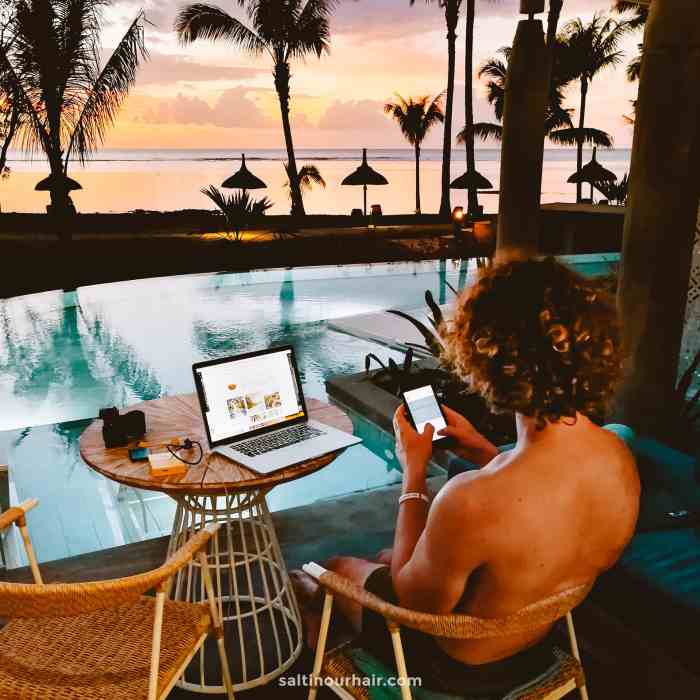
When combining backpacking with a digital nomad lifestyle, it’s essential to pack efficiently and choose destinations that offer a balance of adventure and productivity. Finding accommodation with reliable Wi-Fi is crucial for remote work success.
Packing Tips for Backpackers and Digital Nomads
- Invest in a lightweight, versatile backpack that can fit all your essentials, including your laptop and work-related items.
- Pack multi-purpose clothing items to save space and adapt to different climates.
- Bring a portable charger to ensure your devices stay powered up while on the go.
- Consider packing a portable Wi-Fi hotspot for backup internet access in remote areas.
Best Destinations for Backpacking and Remote Work
- Bali, Indonesia: Known for its affordable cost of living, beautiful landscapes, and strong digital nomad community.
- Chiang Mai, Thailand: A popular destination with a low cost of living, excellent food, and reliable Wi-Fi options.
- Medellin, Colombia: A vibrant city with a mild climate, affordable accommodations, and a growing digital nomad scene.
Finding Accommodation with Reliable Wi-Fi
- Look for accommodations listed on platforms like Airbnb or Booking.com that specifically mention high-speed internet.
- Check reviews from previous guests to ensure that the Wi-Fi is reliable and suitable for remote work.
- Consider co-living spaces or digital nomad-friendly hostels that cater to remote workers and offer strong internet connections.
City Breaks: Backpacking And Digital Nomad Lifestyle
City breaks offer a unique experience compared to longer backpacking trips for digital nomads. While backpacking allows for more in-depth exploration of a region or country, city breaks provide a concentrated dose of culture, history, and local life in a short period.
Managing Work Responsibilities on a City Break
When embarking on a city break while juggling work responsibilities, time management is key. Prioritize your workload before the trip, set specific work hours during your stay, and make the most of your free time by planning activities efficiently.
Advantages of Exploring Cities as a Digital Nomad
- Access to amenities and services: Cities offer a wide range of facilities such as coworking spaces, high-speed internet, and diverse dining options, making it easier to balance work and exploration.
- Cultural immersion: Cities are melting pots of culture, providing digital nomads with opportunities to engage with local traditions, cuisine, and arts.
- Networking opportunities: Urban centers attract professionals from various industries, offering digital nomads the chance to connect with like-minded individuals, attend events, and expand their professional network.
- Convenience and accessibility: Cities usually have efficient public transportation systems, making it convenient to navigate between attractions, accommodation, and workspaces.
Travel Blogs
Travel blogs play a crucial role in inspiring backpackers and digital nomads, providing valuable insights, tips, and first-hand experiences that can shape their travel adventures. These online platforms offer a wealth of information on destinations, budgeting, accommodation, transportation, and cultural experiences, making them indispensable resources for those seeking to explore the world.
Popular Travel Bloggers
- Nomadic Matt: Known for his budget travel tips and destination guides, Nomadic Matt has inspired countless travelers to explore the world on a shoestring budget.
- The Blonde Abroad: With a focus on solo female travel, The Blonde Abroad offers practical advice, packing tips, and destination recommendations for adventurous female travelers.
- Expert Vagabond: Providing stunning photography and captivating storytelling, Expert Vagabond shares his experiences from off-the-beaten-path destinations around the globe.
Impact of Travel Blogs
Travel blogs have a significant impact on shaping travel experiences by offering personalized recommendations, practical advice, and insider tips that go beyond traditional guidebooks. These platforms create a sense of community among like-minded travelers, fostering a spirit of exploration and discovery.
By sharing authentic stories and unique perspectives, travel bloggers inspire others to step out of their comfort zones and embark on unforgettable journeys.
Travel Essentials
When embarking on backpacking or living the digital nomad lifestyle, it’s crucial to have the right essentials to ensure a smooth and comfortable journey. Packing efficiently and carrying versatile items can make a huge difference in your travel experience.
Essential Items for Backpackers and Digital Nomads
- A sturdy backpack with multiple compartments for organization.
- Portable charger and power bank to keep your devices charged on the go.
- Quick-dry towels and travel-size toiletries for convenience.
- Universal adapter to plug in your electronic devices anywhere in the world.
- Multi-purpose clothing items that can be layered for different climates.
- Reusable water bottle to stay hydrated and reduce plastic waste.
- First aid kit with essential medications and supplies for emergencies.
Tips for Packing Efficiently
- Roll your clothes instead of folding to save space in your backpack.
- Use packing cubes or compression bags to organize and maximize space.
- Pack lightweight and quick-dry clothing that can be easily washed and dried.
- Opt for travel-size toiletries and refillable containers to save space and weight.
Importance of Versatile and Multi-purpose Travel Essentials
Versatile items like a sarong or a scarf can serve multiple purposes such as a beach towel, a blanket, or even a makeshift bag. Choosing multi-purpose essentials can help you pack lighter and be more prepared for various situations during your travels.
Travel Photography
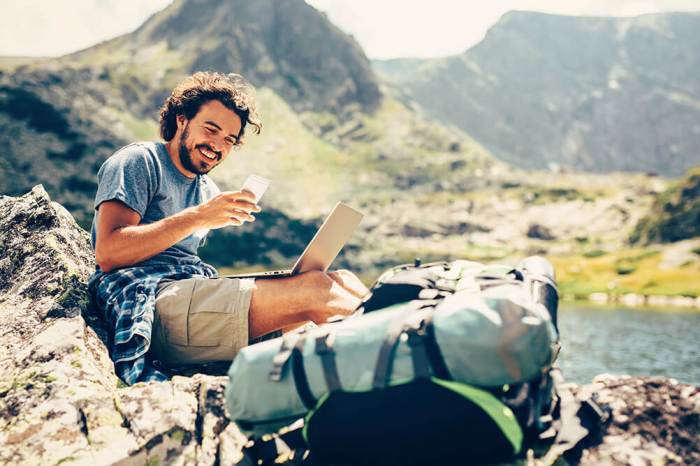
Travel photography is an essential part of capturing the moments and memories of your backpacking adventures and digital nomad lifestyle. It allows you to document your experiences and share them with others online, creating a visual diary of your travels.
Tips for Capturing the Best Travel Moments
- Make use of natural light for stunning outdoor shots.
- Experiment with different angles and perspectives to add interest to your photos.
- Capture candid moments to convey the true essence of your travel experiences.
- Focus on details to tell a story within each photograph.
- Don’t forget to include yourself in some shots to show your presence in the moment.
Must-Have Photography Gear for Travelers
- A quality camera – whether it’s a DSLR, mirrorless, or even just a high-end smartphone.
- A versatile lens for different types of shots, such as wide-angle for landscapes or a zoom lens for wildlife.
- A sturdy tripod for stable shots, especially in low light conditions or for self-portraits.
- An extra battery and memory cards to ensure you never miss a shot due to lack of power or storage space.
- A camera bag or case to protect your gear while on the move.
Role of Travel Photography in Documenting Experiences
Travel photography serves as a visual record of your journey, allowing you to revisit and relive your adventures through images. It also enables you to share your experiences with others, inspiring them to explore new destinations and cultures. By documenting your travels through photography, you create a lasting legacy of your experiences that can be cherished for years to come.
Frequently Asked Questions
What are some unique challenges of working from a cruise ship as a digital nomad?
Working from a cruise ship can pose challenges such as limited internet connectivity, distractions from onboard activities, and adapting to the confined workspace.
How can digital nomads ensure safety while backpacking in remote destinations?
Digital nomads should research local safety conditions, carry necessary emergency supplies, and stay connected with reliable communication devices for added security.
What amenities should digital nomads look for in beach resorts suitable for remote work?
Beach resorts with high-speed Wi-Fi, quiet workspaces, business center facilities, and ergonomic furniture are ideal for digital nomads balancing work and leisure.