Overview of Moroccan Markets
Culinary tour of Morocco’s markets – Morocco’s markets are bustling hubs of activity that offer a unique glimpse into the country’s vibrant culture and daily life.
The markets are filled with a kaleidoscope of colors, exotic scents, and the sounds of vendors calling out to passersby. From the intricate textiles to the fragrant spices, each corner of the market offers a sensory experience like no other.
These markets play a significant role in Moroccan culture, serving as not just places to shop but also as social hubs where locals gather to catch up with friends and neighbors. The markets are where people come to buy fresh produce, spices, textiles, and handmade crafts, making them an essential part of daily life in Morocco.
Culinary Delights in Moroccan Markets
Moroccan markets are a treasure trove of culinary delights, offering a diverse range of spices, fruits, vegetables, and meats that form the backbone of Moroccan cuisine. The vibrant and bustling markets showcase the rich flavors and aromas that define Moroccan cooking.
Traditional Dishes and Street Food
In Moroccan markets, you can find traditional dishes like tagine, a slow-cooked stew made with meat, vegetables, and aromatic spices. Another popular dish is couscous, a staple made from steamed semolina grains served with a variety of savory toppings. Street food vendors offer a plethora of snacks such as bisteeya, a savory pie filled with meat and nuts, and harira, a hearty soup perfect for a quick meal on the go.
Unique Flavors and Cooking Techniques
Moroccan cuisine is known for its bold and unique flavors, thanks to the use of spices like cumin, cinnamon, saffron, and ginger. The combination of sweet and savory flavors in dishes like lamb with prunes or chicken with almonds showcases the culinary creativity of Moroccan cooks.
Cooking techniques such as slow braising in a tagine or grilling over charcoal contribute to the depth of flavors in Moroccan dishes.
Shopping Experience
Exploring the markets in Morocco is not just about buying goods, but also a cultural experience. The vibrant atmosphere, the sounds, the smells, and the interactions with vendors make it a memorable adventure.
Bargaining Tips and Etiquette
When shopping in Moroccan markets, bargaining is a common practice. It is expected that you negotiate the price with the vendor. Here are some tips to help you navigate the bargaining process:
- Start by asking for the price of the item, but be prepared to negotiate.
- Politeness goes a long way, so always be respectful during the bargaining process.
- Don’t be afraid to walk away if you feel the price is too high. Often, the vendor will call you back with a better offer.
- Keep in mind that bargaining is a way of life in Morocco, so embrace the experience with a good attitude.
Popular Souvenirs and Handicrafts
Moroccan markets are filled with unique souvenirs and handicrafts that make for perfect gifts or keepsakes. Here are some popular items you can find:
- Beautifully crafted ceramics, including plates, bowls, and tagines.
- Handmade leather goods such as bags, shoes, and belts.
- Colorful textiles like rugs, blankets, and scarves.
- Intricately designed metal lanterns and tea sets.
Identifying Authentic Products
With so many options available in the markets, it can be overwhelming to know which products are authentic. Here are some tips to help you spot the real deal:
- Look for the artisan’s signature or mark on the product, indicating it is handmade.
- Check the quality of the materials used, as authentic products are often made with high-quality materials.
- Ask the vendor about the item’s origin and production process to ensure its authenticity.
- Shop at reputable stores or stalls recommended by locals or fellow travelers for a better chance of finding authentic products.
Cultural Immersion
Exploring the vibrant Moroccan markets through a culinary tour provides a unique opportunity to dive deeper into the rich tapestry of Moroccan culture.
Role of Food in Moroccan Traditions
Food plays a central role in Moroccan traditions, serving as a symbol of hospitality, generosity, and unity. From the intricate preparation of traditional dishes to the act of sharing meals with loved ones, food is deeply intertwined with Moroccan customs and rituals.
Celebrations and Social Gatherings
During festivals and special occasions, Moroccan markets come alive with an array of festive foods and treats. From savory tagines to sweet pastries, these culinary delights not only tantalize the taste buds but also reflect the joy and spirit of Moroccan celebrations.
Cultural Interactions in the Markets, Culinary tour of Morocco’s markets
Wandering through the bustling markets of Morocco, one can witness a fusion of cultures and traditions coming together. Engaging with local vendors, trying out new flavors, and learning about the significance of various ingredients offer valuable insights into the diverse cultural heritage of Morocco.
Travel Tips
When exploring the vibrant markets of Morocco, it is essential to keep in mind a few travel tips to ensure a smooth and enjoyable experience.
Practical Advice for Navigating Moroccan Markets
- Stay hydrated: The bustling markets can be overwhelming, so remember to carry a water bottle to keep yourself hydrated throughout the day.
- Wear comfortable shoes: With narrow alleys and uneven pathways, comfortable footwear is key to navigating the markets with ease.
Interacting with Locals and Respecting Customs
- Be respectful: Always greet locals with a smile and a friendly “Salaam” (hello). It is important to respect the customs and traditions of the Moroccan people.
- Learn a few basic Arabic phrases: Simple phrases like “Shukran” (thank you) and “La, shukran” (no, thank you) can go a long way in communicating with locals.
Staying Safe While Exploring the Markets
- Avoid displaying valuables: Keep your belongings secure and out of sight to prevent any unwanted attention.
- Stick to well-lit areas: If exploring the markets at night, stick to well-lit areas and avoid dark alleys for your safety.
Best Times of Day to Visit the Markets
- Morning: Early mornings are a great time to visit the markets as they come alive with fresh produce and bustling activity.
- Evening: In the evening, the markets transform with colorful lights and delicious street food, offering a different yet equally vibrant experience.
Travel Itinerary
For a comprehensive culinary tour of Moroccan markets, we have crafted a sample itinerary that will immerse you in the vibrant food culture of Morocco. This itinerary includes must-visit markets, recommended dishes to try, transportation options, accommodation suggestions, and other activities to enhance your market visits.
We have also incorporated flexibility to allow for spontaneous discoveries and experiences.
Day 1: Exploring Marrakech
Upon arrival in Marrakech, head straight to the bustling Jemaa el-Fnaa market to sample traditional Moroccan street food like tagine and couscous. Visit the spice souks to discover an array of exotic spices. In the evening, enjoy a traditional Moroccan dinner at a local restaurant.
Day 2: Marrakech to Fes
Take a scenic drive to Fes, stopping at the town of Midelt for a delicious lunch of Berber cuisine. Upon arrival in Fes, explore the labyrinthine streets of the Medina, visit the famous Chouara Tannery, and indulge in a sumptuous dinner of pastilla.
Day 3: Fes Market Exploration
Spend the day exploring the vibrant markets of Fes, including the Bab Bou Jeloud market and the R’cif Market. Sample local delights such as harira soup, kefta tagine, and maakouda. Don’t miss the opportunity to visit a traditional Moroccan bakery.
Day 4: Chefchaouen Excursion
Embark on a day trip to the picturesque town of Chefchaouen, known for its blue-washed buildings. Explore the local markets, try the famous goat cheese, and savor a traditional Moroccan mint tea at a local café.
Day 5: Return to Marrakech
Head back to Marrakech, stopping at the town of Ifrane for a lunch of Moroccan barbecue. Spend the afternoon exploring Marrakech’s hidden food gems, such as the Mellah Market and the Rahba Kedima Market. Enjoy a farewell dinner at a rooftop restaurant overlooking the city.This itinerary allows you to experience the best of Moroccan markets while enjoying a diverse range of culinary delights.
Bon appétit!
Beach Resorts
When it comes to beach resorts, Morocco offers a perfect blend of stunning coastal regions, luxury accommodations, and warm hospitality. Visitors can experience a unique combination of seaside leisure and Moroccan culture at these beautiful destinations.
Coastal Regions of Morocco
Morocco is known for its picturesque coastal regions that stretch along the Atlantic Ocean and the Mediterranean Sea. Some of the popular coastal areas include Agadir, Essaouira, and Tangier, each offering a unique beach experience.
Popular Beach Resorts
- Agadir Beach Resort: Known for its golden sandy beaches, Agadir offers luxury resorts with world-class amenities, perfect for relaxation and water sports.
- Essaouira Beach Resort: This charming coastal town is famous for its laid-back atmosphere, water activities like windsurfing, and boutique hotels.
- Tangier Beach Resort: Located at the northern tip of Morocco, Tangier boasts beautiful beaches, upscale resorts, and a mix of Moroccan and international cuisines.
Seaside Leisure and Moroccan Hospitality
Beach resorts in Morocco provide a unique experience where visitors can enjoy the sun, sea, and sand while immersing themselves in the local culture. From traditional hammams to delicious Moroccan cuisine, these resorts offer a perfect blend of relaxation and exploration.
Cultural Tours: Culinary Tour Of Morocco’s Markets
When exploring Morocco, cultural tours offer a deeper understanding of the rich history, architecture, and traditions of this fascinating country. These tours go beyond culinary experiences and provide a comprehensive view of Morocco’s heritage.
Key Cultural Landmarks and Heritage Sites
- Visit the historic city of Marrakech and explore the bustling souks, the iconic Jemaa el-Fnaa square, and the beautiful Bahia Palace.
- Discover the ancient Roman ruins of Volubilis, a UNESCO World Heritage Site, showcasing Morocco’s diverse history.
- Explore the medieval medina of Fes, known for its labyrinthine streets, traditional craftsmanship, and the oldest university in the world, the University of Al Quaraouiyine.
- Marvel at the stunning architecture of the Hassan II Mosque in Casablanca, one of the largest mosques in the world.
Benefits of Combining Culinary and Cultural Tours
- Gain a deeper appreciation for Moroccan culture by exploring its historical sites, museums, and monuments alongside enjoying its culinary delights.
- Understand the cultural significance of traditional Moroccan dishes by learning about the ingredients, cooking techniques, and regional variations.
- Immerse yourself in the local customs and traditions of Morocco by participating in cultural activities, such as henna painting, traditional music performances, and tea ceremonies.
- Enhance your travel experience by combining culinary and cultural tours, creating a well-rounded and immersive journey through the vibrant landscapes and rich heritage of Morocco.
Cruise Vacations
Embark on a remarkable journey along the Moroccan coast with a cruise vacation filled with adventure, relaxation, and cultural experiences.
Cruise Options
Explore various cruise options along the Moroccan coast, with ports of call including Casablanca, Tangier, and Agadir. Choose from luxury liners with onboard amenities like spas, gourmet dining, and entertainment options.
Allure of Cruising in Morocco
Experience the allure of cruising in Morocco as you soak in breathtaking views of the coastline, visit charming seaside towns, and immerse yourself in the rich Moroccan culture through shore excursions to historical sites, markets, and local restaurants.
Planning Tips
- Pack essentials such as sunscreen, comfortable clothing, and swimwear for beach excursions.
- Research and book shore excursions in advance to make the most of your time ashore.
- Consider the best time of year to visit Morocco for ideal weather conditions and cultural events.
- Book your cruise with a reputable cruise line that offers a well-rounded itinerary and excellent customer service.
Backpacking Trips
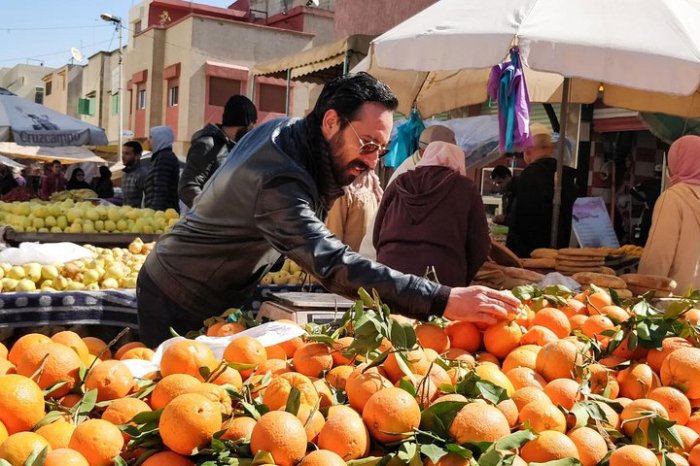
Embark on an adventurous journey through Morocco with these backpacking tips and insights.
Routes and Accommodations
When backpacking in Morocco, consider popular routes like the Atlas Mountains or the Sahara Desert. Opt for budget-friendly accommodations such as hostels or guesthouses to save money.
Budget-Friendly Tips
- Carry lightweight clothing to stay comfortable during your travels.
- Bring reusable bags to carry your purchases from the vibrant Moroccan markets.
- Opt for local street food for affordable and delicious meals.
- Consider camping in designated areas to save on accommodation costs.
Cultural Insights and Experiences
Backpacking in Morocco allows for a deeper cultural immersion. Interact with locals, participate in traditional activities, and explore the hidden gems of the country.
City Breaks
For travelers looking to experience the vibrant culture of Morocco but with limited time, city breaks offer the perfect solution. These short getaways provide a taste of Moroccan markets, sightseeing opportunities, and culinary delights, all within a condensed timeframe. Here are some recommendations and tips for making the most of a city break in Morocco.
Marrakech
Marrakech is a must-visit city for a city break in Morocco. Stay in a traditional riad in the historic Medina for an authentic experience. Don’t miss exploring the bustling Jemaa el-Fnaa square and the souks for unique shopping opportunities. Enjoy delicious Moroccan cuisine at local restaurants and cafes.
Casablanca
For a mix of modernity and tradition, consider a city break in Casablanca. Visit the Hassan II Mosque, one of the largest mosques in the world, and stroll along the Corniche for stunning ocean views. Stay in a luxury hotel or boutique guesthouse for a comfortable stay.
Fez
Fez is known for its well-preserved medieval architecture and historic charm. Stay in a traditional guesthouse in the old city and explore the ancient medina, a UNESCO World Heritage site. Sample local street food and visit the tanneries for a unique cultural experience.
Transportation Tips
When exploring Moroccan cities on a city break, consider using taxis or rideshare services for convenient transportation between attractions. Walking is also a great way to soak in the sights and sounds of the bustling streets.
Accommodation Options
Opt for accommodations in the heart of the city to maximize your time and experience. Look for riads, guesthouses, or boutique hotels for a more intimate and authentic stay. Booking accommodations in advance is recommended, especially during peak tourist seasons.
Dining Experiences
Make the most of your city break in Morocco by sampling local dishes and flavors. From tagines to couscous, Moroccan cuisine offers a variety of delicious options to try. Don’t hesitate to explore street food vendors and local eateries for an authentic dining experience.
Exploring Markets
Moroccan markets are a treasure trove of unique items, from spices and textiles to handicrafts and souvenirs. Take the time to wander through the souks and haggle with vendors for the best prices. Remember to bring cash and have small denominations for easier transactions.
Travel Blogs
Travel blogs play a crucial role in inspiring and guiding travelers who are interested in exploring Moroccan markets. These blogs provide valuable insights, personal experiences, tips, and recommendations that can enhance the overall travel experience.
Popular Travel Blogs Featuring Moroccan Markets
- Legal Nomads:This travel blog features detailed guides on navigating Moroccan markets, highlighting must-try foods and unique cultural experiences.
- The Blonde Abroad:Known for her vibrant and engaging travel stories, this blog offers practical tips for shopping in Moroccan markets and immersing in the local culture.
- Nomadic Matt:With a focus on budget travel, this blog provides insights on how to explore Moroccan markets without breaking the bank, along with recommendations on hidden gems to discover.
Leveraging Travel Blogs for Market Exploration in Morocco
Travel blogs can be a valuable resource for trip planning, market discoveries, and cultural immersion in Morocco. By reading firsthand accounts and tips from experienced travelers, you can gain a better understanding of what to expect, how to navigate the markets, and where to find the best local delicacies.
Additionally, travel blogs often share off-the-beaten-path recommendations and insider insights that can enhance your overall Moroccan market experience.
Travel Essentials
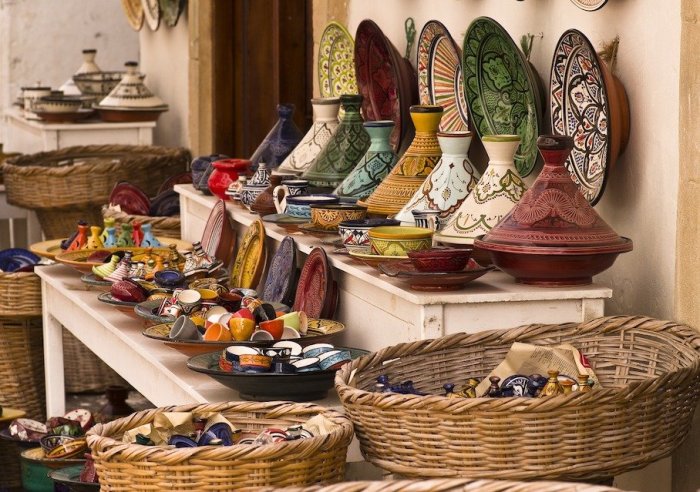
When embarking on a culinary tour of Moroccan markets, it’s crucial to pack certain essential items to ensure a smooth and enjoyable experience. Here are some must-have items to consider:
Packing Essentials
- Comfortable Shoes: With plenty of walking and exploring to do in the bustling markets, comfortable shoes are a must to keep your feet happy.
- Sunscreen: Protect your skin from the strong Moroccan sun by packing sunscreen with a high SPF to avoid sunburn.
- Local Currency: Make sure to have enough local currency on hand for shopping, dining, and tipping while exploring the markets.
Staying Organized
- Packing Cubes: Stay organized and make packing and unpacking a breeze by using packing cubes to separate your clothing and belongings.
- Reusable Water Bottle: Stay hydrated throughout your adventures by carrying a reusable water bottle to refill and reduce plastic waste.
Importance of Travel Essentials
Having the right travel essentials not only ensures your comfort and convenience but also contributes to a seamless and enjoyable experience while exploring the vibrant Moroccan markets. By packing smart and staying organized, you can fully immerse yourself in the culinary delights and cultural wonders of Morocco without any hitches.
Travel Photography
In the realm of travel photography, capturing the essence of Moroccan markets is a delightful challenge that promises vibrant colors, intricate textures, and captivating moments frozen in time. Immersing yourself in the bustling energy of these markets offers a plethora of opportunities to create stunning visual narratives.
Tips for Capturing Moroccan Markets
- Adjust settings for natural light: Utilize the warm, natural light filtering through the market stalls to enhance the richness of colors and textures in your photographs.
- Embrace candid shots: Capture authentic moments by observing the daily interactions and activities in the markets without disrupting the flow. Candid shots often convey the true essence of a place.
- Focusing on details: Zoom in on the intricate details of artisanal crafts, spices, textiles, and architecture to showcase the unique cultural heritage of Moroccan markets.
- Use leading lines: Leverage the geometric patterns, archways, and alleyways in the markets to create visually appealing compositions that draw the viewer’s eye into the frame.
Storytelling Through Photography
Photography is a powerful medium for storytelling, allowing you to capture the cultural richness and diversity of Moroccan markets through images that speak volumes. Each photograph has the potential to convey the vibrant atmosphere, the sense of community, and the traditions that define these bustling hubs of commerce.
By focusing on the intricate details, the human interactions, and the juxtaposition of old and new elements, you can create a compelling visual narrative that transports viewers to the heart of Moroccan markets.
FAQ Section
What are some must-try dishes in Moroccan markets?
Some must-try dishes include tagine, couscous, pastilla, and harira soup.
Is it customary to bargain in Moroccan markets?
Yes, bargaining is a common practice in Moroccan markets, so feel free to negotiate prices.
Are there any specific etiquette rules to follow while shopping in Moroccan markets?
It’s important to greet vendors politely, handle items respectfully, and be prepared to haggle for a good deal.
What types of souvenirs can I find in Moroccan markets?
You can find unique souvenirs such as pottery, rugs, spices, and traditional clothing in Moroccan markets.
How can I ensure that I’m buying authentic products in Moroccan markets?
Look for items that are handmade or locally sourced, and don’t hesitate to ask the vendor about the product’s origins.